
The Lines on Your Nails May Reveal More About Your Health Than You Realize
What These Nail Lines Could Mean for Adults Over 40 Might Surprise You
Health 29/06/2026 10:55
Avocados have earned their reputation as one of nature's healthiest foods. Rich in heart-healthy monounsaturated fats, fiber, potassium, vitamins C, E, K, and several B vitamins, they can support heart health, digestion, and overall wellness.
For most people, avocados are an excellent addition to a balanced diet. However, like many nutritious foods, they aren't the perfect choice for everyone. Certain individuals may need to limit or avoid avocados depending on their health conditions or medical history.
Here are five groups of people who should exercise caution.
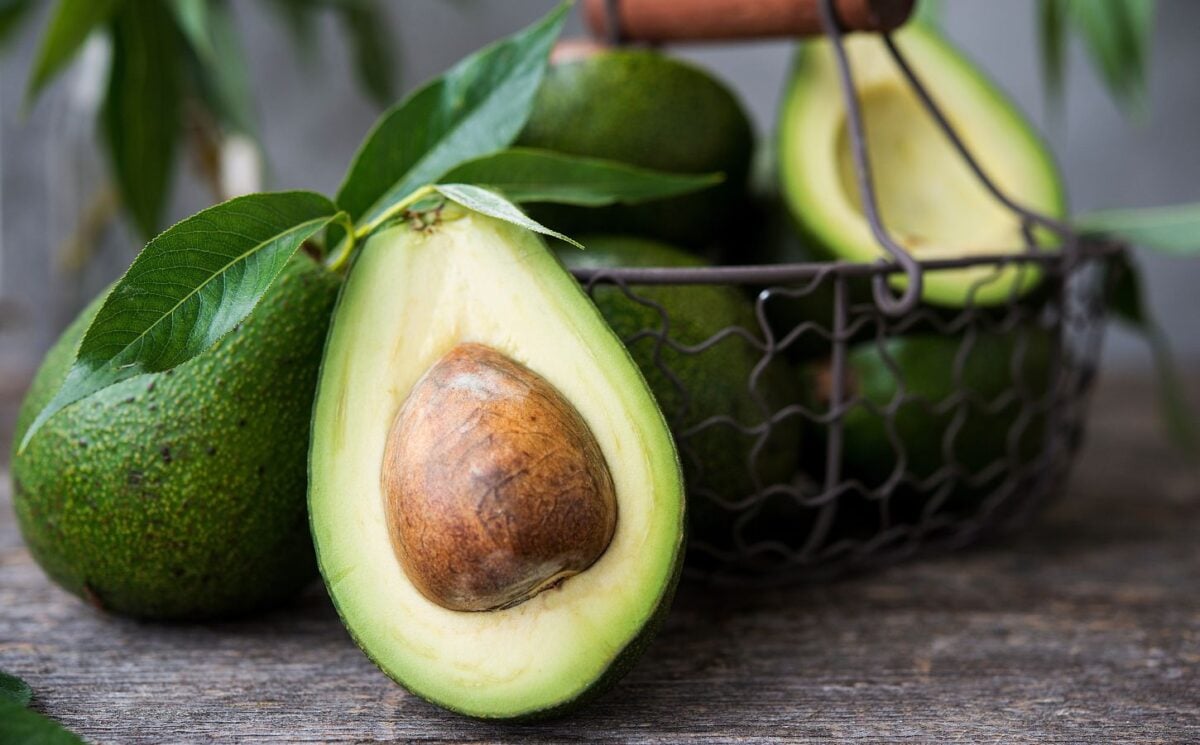
Although uncommon, some people are allergic or highly sensitive to avocados. Symptoms can appear shortly after eating the fruit and may include:
Anyone who experiences these symptoms after eating avocado should stop consuming it and seek medical advice. Severe allergic reactions require immediate medical attention.
Many people are unaware that avocado shares similar proteins with natural latex. This condition, known as latex-fruit syndrome, can cause allergic reactions in individuals who are sensitive to latex.
If you have a known latex allergy, eating avocado may trigger symptoms such as:
Your healthcare provider or allergist can determine whether avocado is safe for you.
Some reports suggest that certain natural compounds found in avocado oil may not be suitable for individuals with specific liver diseases. While research is limited and more evidence is needed, people who have chronic liver disorders should discuss their diet with their physician before consuming large amounts of avocado.
Rather than avoiding the fruit completely, moderation and personalized medical advice are generally recommended.

Avocados contain healthy fats, but they are also relatively high in calories. One medium avocado can provide around 240–300 calories, depending on its size.
This doesn't mean avocados cause weight gain. However, eating large portions regularly without adjusting overall calorie intake may make weight management more difficult.
If you're trying to lose weight, consider:
Some traditional health sources suggest that excessive avocado consumption may reduce breast milk production in certain women. However, scientific evidence supporting this claim remains limited.
If you're breastfeeding and notice changes in milk supply or your baby experiences digestive discomfort after you consume avocado, it's worth discussing the issue with your healthcare provider or a lactation consultant before making significant dietary changes.
If none of the above situations apply to you, avocados can be part of a healthy eating pattern. To get the most benefit:

Avocados are packed with valuable nutrients and offer many health benefits for the majority of people. However, individuals with allergies, latex sensitivity, certain liver conditions, or those following calorie-controlled diets may need to consume them more carefully. Breastfeeding mothers who have concerns about milk supply should also seek personalized medical advice.
As with any food, the healthiest approach is moderation and choosing a diet that fits your individual health needs. If you have an existing medical condition or take prescription medications, consult your healthcare provider before making significant dietary changes.
What These Nail Lines Could Mean for Adults Over 40 Might Surprise You

Should You Eat a Banana at Night? Experts Explain the Pros and Cons
Here's what every patient should know before making the decision.
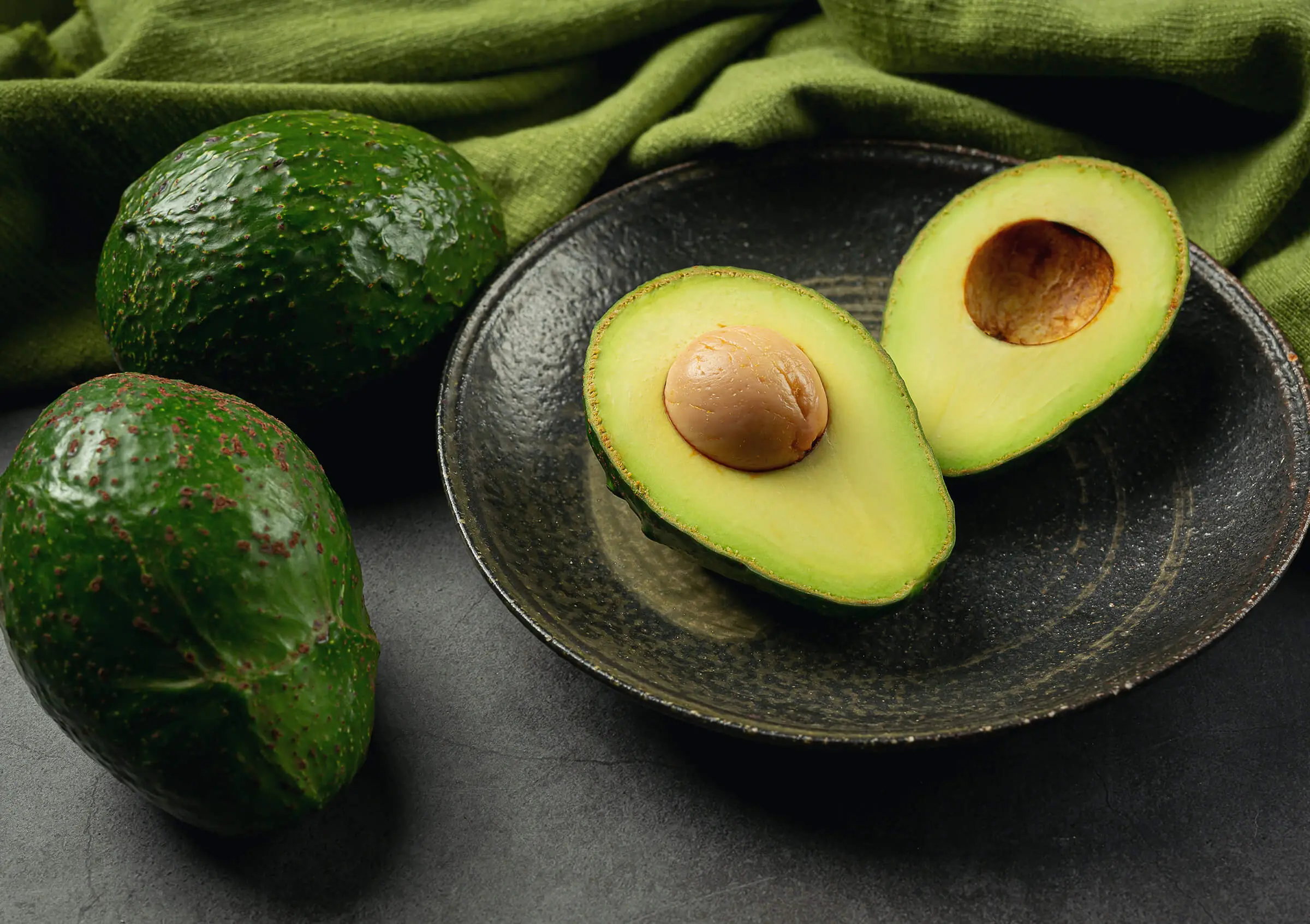
Avocados Are Packed With Nutrients—Here's What Experts Want You to Know

Food Safety Experts Recommend Extra Care With These 5 Common Vegetables
Raw Vegetables Are Healthy—But These 5 May Pose a Higher Risk If Not Cleaned Properly

Doctors Urge People Not to Ignore These 7 Possible Signs of Heart Trouble ⬇️

Doctors Explain the Benefits—and Risks—of Sleeping on Your Right Side

White Bumps in Your Mouth? They Could Be a Sign of Something More Serious 👇👇

Doctors Reveal 7 Amazing Things Pumpkin Can Do for Your Body

Simple Changes to Your Diet May Help Support a Healthier Thyroid.

This is what sleeping on the left side does for our b.rain, sto.mach & glymphatic health 👇

One of These Drinks Is Probably in Your Fridge Right Now.
Some People May Need to Be Cautious With Cabbage—Here’s Why 👇

Washing dishes seems harmless — but these 3 mistakes can be life-threatening, doctors warn
What Makes Cucumbers So Healthy? Experts Reveal the Surprising Benefits 🥒

⚠️ Your Aching Hip Could Be Sending an Important Message 👇

When Frequent Gas May Deserve Medical Attention—Experts Explain ⚠️

This humble leafy green is packed with nutrients that support healthy skin.
What These Nail Lines Could Mean for Adults Over 40 Might Surprise You

Some Plants May Attract the Animals That Snakes Feed On - Here's What to Know
Should You Eat a Banana at Night? Experts Explain the Pros and Cons
Here's what every patient should know before making the decision.
Avocados Are Packed With Nutrients—Here's What Experts Want You to Know
Food Safety Experts Recommend Extra Care With These 5 Common Vegetables
Raw Vegetables Are Healthy—But These 5 May Pose a Higher Risk If Not Cleaned Properly
Doctors Urge People Not to Ignore These 7 Possible Signs of Heart Trouble ⬇️
Doctors Explain the Benefits—and Risks—of Sleeping on Your Right Side

Most People Don't Know These 13 Facts About Sweet Potatoes
White Bumps in Your Mouth? They Could Be a Sign of Something More Serious 👇👇
Doctors Reveal 7 Amazing Things Pumpkin Can Do for Your Body
Simple Changes to Your Diet May Help Support a Healthier Thyroid.

Most Refrigerator Leaks Have Simple Fixes!

Could Sleeping on the Floor Actually Be More Comfortable?
This is what sleeping on the left side does for our b.rain, sto.mach & glymphatic health 👇
One of These Drinks Is Probably in Your Fridge Right Now.
Some People May Need to Be Cautious With Cabbage—Here’s Why 👇

A Traditional Cleaning Secret That's Making a Comeback.