Raw vegetables are an essential part of a healthy diet. They provide vitamins, minerals, fiber, and antioxidants that support digestion, heart health, and immune function. Many nutrition experts encourage eating a variety of fresh vegetables every day.
However, while raw vegetables offer many health benefits, they can sometimes carry unwanted contaminants if they are not grown, handled, or prepared properly. Soil, irrigation water, fertilizers, animals, and improper food handling can introduce bacteria, parasites, or other microorganisms onto the surface of vegetables.
The good news is that you do not need to avoid raw vegetables altogether. Proper washing, safe storage, and, in some cases, cooking can significantly reduce the risk of foodborne illness.
Here are 5 vegetables that deserve extra attention before eating.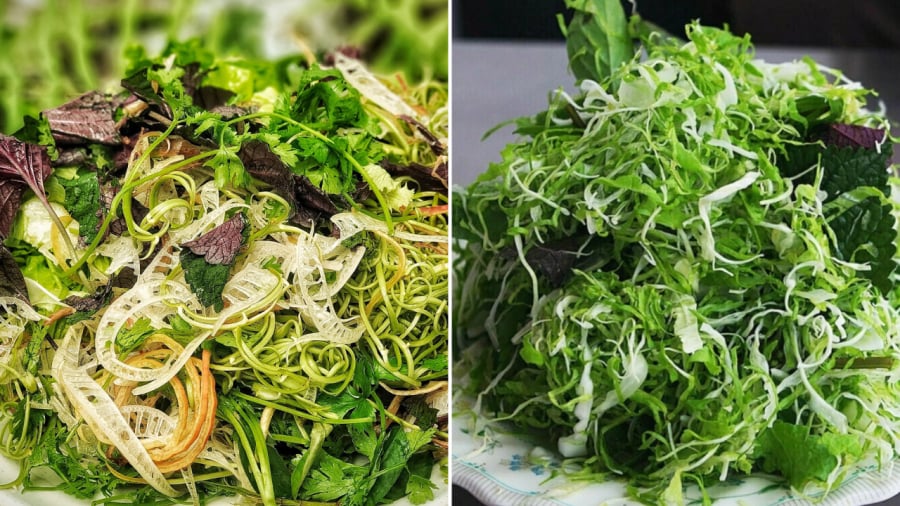
Why Can Raw Vegetables Become Contaminated?
Vegetables can become contaminated at different stages of production.
Possible sources include:
-
Contaminated soil
-
Irrigation water
-
Animal waste
-
Improper handling during harvesting
-
Cross-contamination during transportation
-
Poor kitchen hygiene
Contamination does not mean the vegetables are unsafe by nature—it means proper preparation is important.
1. Lettuce
Lettuce is one of the most commonly consumed raw vegetables.
Because of its many layered leaves, dirt and microorganisms can become trapped inside.
Possible contaminants include:
-
Soil
-
Bacteria
-
Small insects
-
Pesticide residues
Safe Preparation Tips
-
Separate each leaf before washing.
-
Rinse thoroughly under running water.
-
Remove damaged outer leaves.
-
Dry using a clean salad spinner or paper towel.
Avoid washing lettuce with soap or household disinfectants, as these are not intended for food.
2. Watercress
Watercress is highly nutritious and rich in vitamins A, C, and K.
However, because it often grows in or near water, it may be exposed to contaminants if harvested from unsafe environments.
Historically, improperly washed aquatic vegetables have occasionally been linked to certain foodborne parasites in regions where sanitation is poor.
Safe Preparation Tips
-
Purchase watercress from reputable suppliers.
-
Wash thoroughly under running water.
-
Consider cooking if the source is uncertain.
3. Bean Sprouts
Bean sprouts are popular in salads, sandwiches, and Asian cuisine.
Unlike many vegetables, sprouts are grown in warm, humid conditions—an environment that can also support bacterial growth.
Outbreaks involving Salmonella, E. coli, and Listeria have occasionally been linked to raw sprouts.
Higher-Risk Groups
Healthcare providers often recommend that the following groups avoid raw sprouts:
-
Pregnant women
-
Older adults
-
Young children
-
People with weakened immune systems
Cooking sprouts significantly reduces the risk.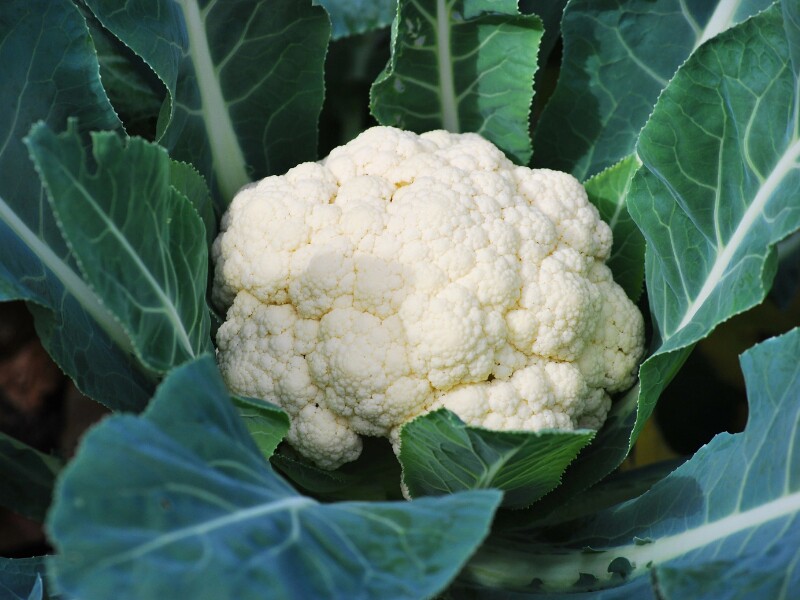
4. Spinach
Spinach is packed with:
-
Iron
-
Folate
-
Vitamin K
-
Vitamin A
-
Antioxidants
Although very healthy, spinach leaves grow close to the soil, where contamination may occur.
Occasionally, outbreaks of foodborne illness have been associated with contaminated leafy greens.
Safe Preparation Tips
-
Wash leaves individually.
-
Remove wilted portions.
-
Refrigerate promptly.
-
Use clean cutting boards and utensils.
5. Fresh Herbs
Fresh herbs such as:
-
Cilantro
-
Parsley
-
Basil
-
Mint
-
Dill
are often added directly to meals without cooking.
Their delicate leaves can trap:
-
Dirt
-
Sand
-
Tiny insects
-
Microorganisms
Safe Preparation Tips
-
Rinse under cool running water.
-
Gently shake off excess moisture.
-
Pat dry before serving.
Fresh herbs are nutritious but should receive the same careful washing as leafy vegetables.
Do You Need Vegetable Washes?
Many commercial vegetable washes claim to remove bacteria and pesticides.
However, food safety authorities generally recommend that clean running water is sufficient for most fresh produce.
Soap, bleach, and household cleaning products should never be used to wash fruits or vegetables.
Does Cooking Make Vegetables Safer?
Cooking can destroy many harmful microorganisms.
Examples include:
-
Bacteria
-
Certain parasites
-
Some viruses
However, cooking cannot remove heavy metals or pesticide residues that may already be present.
Both raw and cooked vegetables have important nutritional benefits.
The best choice depends on the vegetable, personal preference, and individual health considerations.
Who Should Be Extra Careful?
Certain people have a higher risk of developing serious foodborne illness.
These include:
-
Pregnant women
-
Older adults
-
Young children
-
People receiving chemotherapy
-
Organ transplant recipients
-
Individuals with weakened immune systems
For these groups, thoroughly cooked vegetables may sometimes be a safer option than raw vegetables, especially high-risk foods like sprouts.
Common Myths About Raw Vegetables
Myth 1: Raw Vegetables Always Contain Parasites
False.
Most commercially sold vegetables are safe when handled properly.
The risk depends on growing conditions, sanitation, and preparation—not the vegetable itself.
Myth 2: Organic Vegetables Never Carry Bacteria
False.
Both organic and conventionally grown vegetables can become contaminated if exposed to unsafe conditions.
Good hygiene remains essential.
Myth 3: You Can Tell If a Vegetable Is Contaminated
Not always.
Contaminated vegetables often look, smell, and taste completely normal.
That's why proper washing is so important.
Tips for Safe Vegetable Preparation
Protect yourself with these simple habits:
-
Wash vegetables under running water before eating.
-
Clean cutting boards regularly.
-
Wash your hands before preparing food.
-
Keep raw meat separate from fresh produce.
-
Refrigerate vegetables promptly.
-
Remove damaged or spoiled portions.
-
Eat pre-cut vegetables before their expiration date.
These small steps can significantly reduce the risk of foodborne illness.
The Health Benefits Still Outweigh the Risks
Despite the need for proper preparation, vegetables remain one of the healthiest foods you can eat.
Regular vegetable consumption has been associated with:
-
Better heart health
-
Lower risk of certain chronic diseases
-
Improved digestive health
-
Healthy weight management
-
Better overall nutrition
The goal is not to avoid raw vegetables—it is to prepare them safely.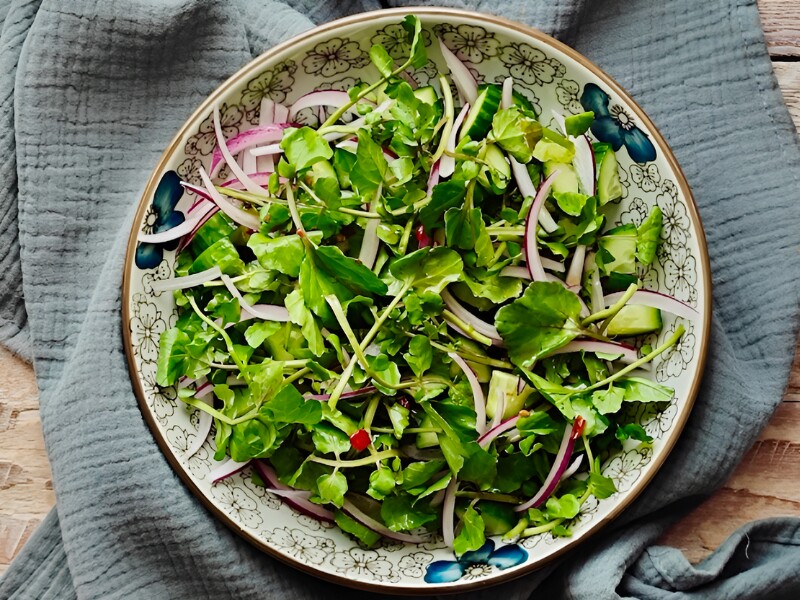
Final Thoughts
Raw vegetables provide valuable nutrients that support long-term health, but safe food handling is essential. Leafy greens such as lettuce and spinach, watercress, bean sprouts, and fresh herbs deserve extra attention because their growing conditions or structure can make them more susceptible to contamination if they are not properly handled.
Fortunately, most food safety risks can be greatly reduced by washing vegetables thoroughly under clean running water, storing them correctly, preventing cross-contamination in the kitchen, and cooking high-risk vegetables such as bean sprouts when appropriate.
Rather than avoiding raw vegetables, focus on safe preparation. With proper handling, you can continue to enjoy the many nutritional benefits they provide while minimizing the risk of foodborne illness.