A beautiful garden can transform your home into a peaceful outdoor retreat. Lush greenery, colorful flowers, and dense shrubs provide shade, privacy, and habitat for birds and beneficial insects. However, some landscaping choices may also create conditions that are attractive to unwanted visitors—including snakes.
It's important to understand that plants themselves do not attract snakes. Snakes are not interested in eating plants or flowers. Instead, they are drawn to gardens that offer what they need to survive: shelter, cool hiding places, moisture, and a steady supply of prey such as rodents, frogs, lizards, and insects.
Certain types of plants, especially when they grow densely or are poorly maintained, can unintentionally create an environment where snakes feel safe. If you live in an area where snakes are common, knowing which landscaping features to manage can help reduce the likelihood of unexpected encounters.
Here are five types of plants that may make your garden more snake-friendly—and what you can do about it.
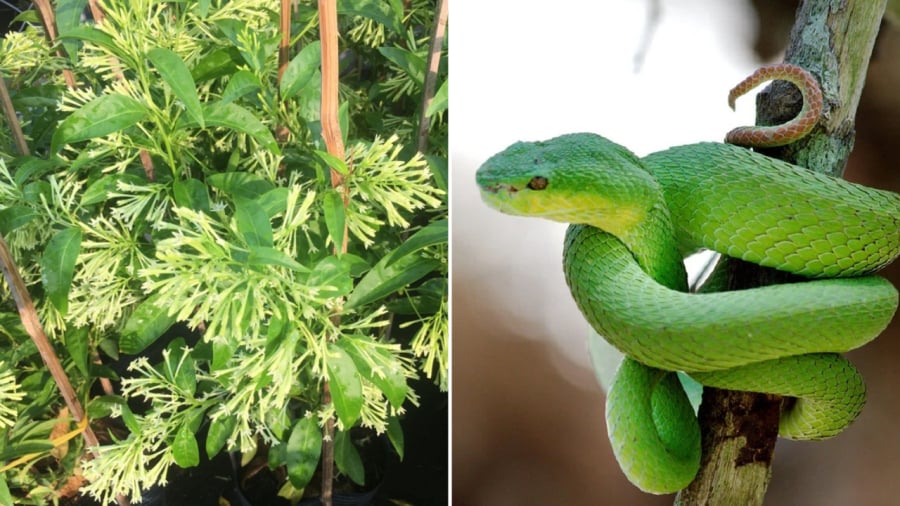
1. Dense Ground Covers
Ground-cover plants are popular because they reduce weeds and create a lush carpet of greenery. However, thick ground covers can also provide ideal hiding places for snakes.
Examples include:
-
English ivy
-
Creeping juniper
-
Vinca (periwinkle)
-
Pachysandra
-
Creeping thyme when allowed to grow densely
These plants create cool, shaded spaces close to the ground where snakes may rest during hot weather.
How to reduce the risk:
-
Trim ground covers regularly.
-
Avoid allowing plants to become overly dense.
-
Keep walking paths clear.
-
Inspect thick vegetation before gardening.
2. Tall Ornamental Grasses
Ornamental grasses add texture and movement to landscapes, but they can also create excellent cover for wildlife.
Popular varieties include:
-
Pampas grass
-
Fountain grass
-
Maiden grass
-
Switchgrass
-
Zebra grass
The dense clumps formed by these grasses can hide snakes from predators while also providing access to rodents that may nest nearby.
Better maintenance:
-
Divide overgrown clumps.
-
Remove dead foliage each season.
-
Keep grasses trimmed.
-
Avoid planting large clusters close to doors or frequently used walkways.
3. Thick Shrubs and Bushes
Large shrubs provide beauty and privacy, but neglected bushes can become ideal hiding spots.
Examples include:
-
Boxwood
-
Holly
-
Juniper shrubs
-
Yew
-
Large evergreen bushes
If fallen leaves and branches accumulate beneath shrubs, they create cool, protected areas that snakes may use for shelter.
Helpful tips:
-
Prune shrubs regularly.
-
Remove leaf litter.
-
Keep the lower branches slightly elevated.
-
Allow better airflow beneath bushes.
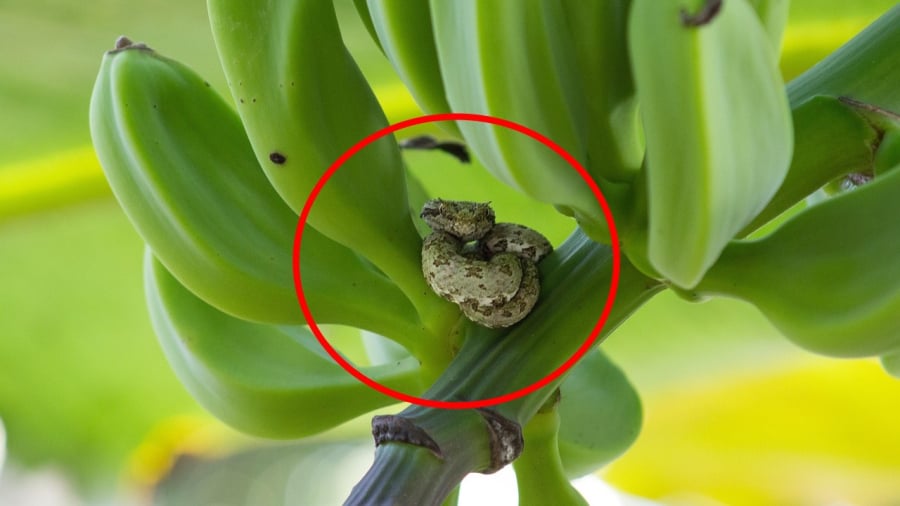
4. Fruit-Bearing Plants
Fruit trees and berry bushes don't attract snakes directly.
Instead, fallen fruit attracts insects and rodents, which are common food sources for many snake species.
Examples include:
-
Apple trees
-
Fig trees
-
Mulberry trees
-
Berry bushes
-
Citrus trees
Rodents feeding on fallen fruit may encourage snakes to visit in search of prey.
Keep your garden cleaner by:
-
Picking ripe fruit promptly.
-
Removing fallen fruit every day.
-
Cleaning up birdseed spills.
-
Controlling rodent populations safely.
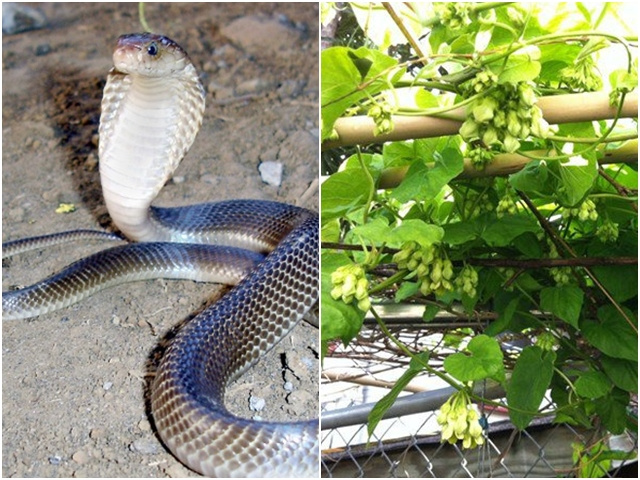
5. Dense Vine Plants
Climbing vines growing along fences, walls, or trellises can become extremely thick over time.
Common examples include:
-
Ivy
-
Virginia creeper
-
Jasmine
-
Honeysuckle
-
Wisteria
When left unmanaged, these vines provide shaded hiding places for both snakes and the animals they hunt.
To minimize risk:
-
Trim vines regularly.
-
Prevent excessive overgrowth.
-
Keep fences visible.
-
Remove dead plant material.
Why Snakes Visit Gardens
Many people believe snakes are attracted by specific plants, but that's usually not the case.
Snakes are primarily searching for four things:
1. Shelter
They prefer cool, shaded places to hide during the hottest parts of the day.
2. Food
Snakes hunt:
-
Mice
-
Rats
-
Frogs
-
Lizards
-
Small birds
-
Insects (depending on species)
A garden with abundant prey naturally becomes more attractive.
3. Water
Bird baths, ponds, fountains, and areas with standing water can attract wildlife that snakes feed on.
Snakes may also drink from these water sources.
4. Warmth
Many snakes enjoy basking in sunny areas during cooler mornings before retreating to shaded cover.
Other Garden Features That May Encourage Snakes
Even if your plants are well maintained, other landscaping elements can provide shelter.
Watch for:
-
Wood piles
-
Rock piles
-
Unused pots
-
Compost heaps
-
Thick mulch
-
Tall weeds
-
Clutter around sheds
-
Unsealed crawl spaces
Reducing hiding places can make your yard less appealing to snakes.
How to Make Your Garden Less Snake-Friendly
Fortunately, a few simple maintenance habits can help reduce the chances of snakes settling in your yard.
Keep grass short
Regular mowing eliminates hiding places.
Control rodents
Secure garbage bins, clean up pet food, and remove fallen fruit to reduce food sources for rodents.
Trim vegetation
Prevent plants from becoming overgrown.
Remove debris
Dispose of piles of leaves, branches, and unused materials.
Seal gaps
Repair openings around foundations, garages, and sheds where snakes could enter.
Inspect before gardening
Wear gloves and check dense vegetation before reaching inside.
What to Do If You See a Snake
Finding a snake in your garden can be alarming, but the safest response is usually to remain calm.
If you encounter a snake:
-
Keep a safe distance.
-
Do not attempt to catch or kill it.
-
Keep children and pets away.
-
Allow the snake an escape route if possible.
-
Contact local wildlife authorities or a licensed wildlife removal service if the snake poses a risk or enters your home.
Many snakes are harmless and play an important role in controlling rodent populations.
Common Myths About Snakes and Plants
Several myths continue to circulate online.
Myth: Certain plants magically attract snakes.
Reality: Plants do not attract snakes directly. Snakes are attracted by the shelter, moisture, and prey that some landscaping may provide.
Myth: Planting garlic or marigolds keeps snakes away.
Reality: There is little scientific evidence that these plants reliably repel snakes.
Myth: Snakes always want to attack people.
Reality: Most snakes avoid humans whenever possible and bite only when threatened or cornered.
The Bottom Line
A well-maintained garden doesn't have to become a haven for snakes. While no plant naturally "attracts" snakes, dense ground covers, tall ornamental grasses, thick shrubs, fruit-bearing plants, and overgrown vines can create ideal conditions by offering shelter and attracting prey.
The best way to discourage snakes is through regular yard maintenance: trim vegetation, remove debris, control rodents, and eliminate unnecessary hiding places. These simple steps not only help reduce snake activity but also promote a healthier, tidier, and more enjoyable outdoor space.
By understanding what truly attracts snakes, you can make informed landscaping decisions and enjoy your garden with greater peace of mind.