
Sprouted Potatoes: When They're Safe and When to Throw Them Away
Are Sprouted Potatoes Safe to Eat? Here's What Experts Say
Tips 22/07/2026 15:25

A cough is one of the body's natural defenses, helping clear mucus, irritants, and germs from the airways. While most coughs caused by the common cold improve within a few weeks, several natural remedies may help soothe symptoms and make you feel more comfortable. These remedies are not a substitute for medical treatment, especially if your cough is severe, persistent, or accompanied by concerning symptoms.
Here are 10 natural remedies that may help ease a cough.

Honey is one of the most well-studied natural remedies for coughs.
Research suggests it may:
Soothe an irritated throat.
Reduce nighttime coughing.
Improve sleep quality.
Coat the throat and relieve discomfort.
Mix one to two teaspoons of honey into warm water or herbal tea.
Do not give honey to infants under 12 months of age because of the risk of infant botulism.

Drinking warm beverages can help:
Keep the throat moist.
Thin mucus.
Reduce throat irritation.
Promote hydration.
Good choices include:
Warm water with lemon.
Clear broth.
Warm herbal tea.
Warm water with honey.

Ginger contains natural anti-inflammatory compounds called gingerols.
It may help:
Soothe throat irritation.
Relax airway muscles.
Ease coughing caused by irritation.
Fresh ginger tea is an easy way to enjoy its potential benefits.

Peppermint contains menthol, which creates a cooling sensation and may help relieve throat discomfort.
Peppermint tea or steam inhalation with peppermint may help some people breathe more comfortably.
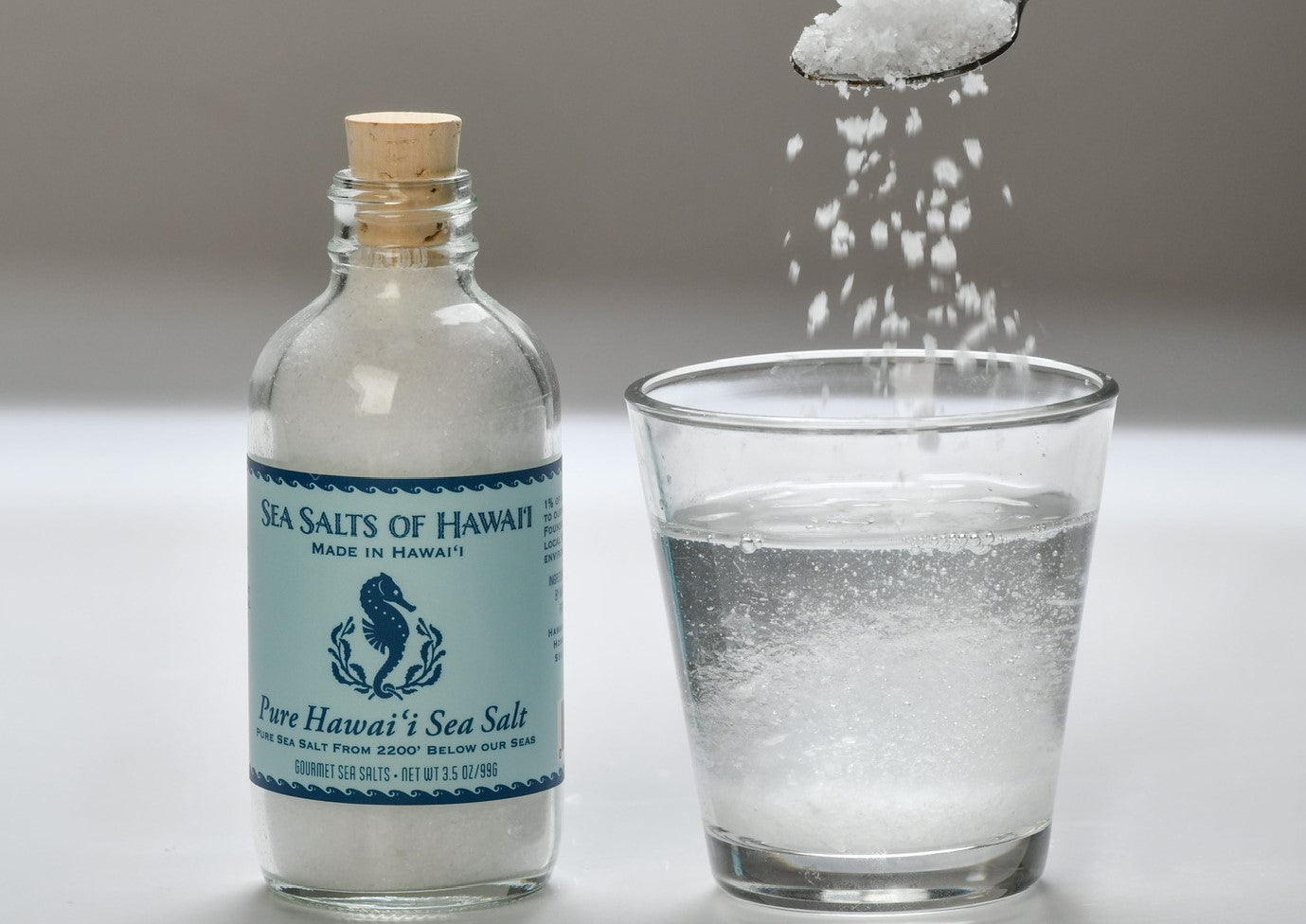
Gargling with warm salt water may help:
Reduce throat irritation.
Loosen mucus.
Decrease swelling.
Mix ½ teaspoon of salt into a cup of warm water and gargle several times a day.

Warm steam may help loosen mucus and temporarily relieve congestion, especially when a cough is associated with a cold.
Take care to avoid burns from hot water or steam.
Some people find that aloe vera juice or warm drinks containing aloe vera may help soothe an irritated throat.
Choose products intended for consumption and avoid aloe latex, which can cause digestive side effects.
Pineapple contains bromelain, an enzyme that may help break down mucus and reduce throat irritation.
Fresh pineapple provides the highest amount of bromelain, although more research is needed to confirm its effectiveness for cough relief.
Drinking enough fluids helps:
Thin mucus.
Prevent dehydration.
Support the body's natural recovery process.
Water remains the best choice, but soups and herbal teas also contribute to hydration.
Adequate sleep allows the immune system to function effectively.
Resting while you're sick may help your body recover more quickly from viral infections that commonly cause coughing.
Seek medical attention if your cough:
Lasts longer than 3–8 weeks, depending on the cause.
Produces blood.
Is accompanied by chest pain.
Causes difficulty breathing or wheezing.
Is associated with a high fever that does not improve.
Occurs with unexplained weight loss.
Happens in infants younger than three months or in people with weakened immune systems.
Some natural remedies are not suitable for everyone.
Use caution if you:
Have diabetes (honey contains natural sugars).
Are allergic to bee products or ginger.
Take blood-thinning medications, as large amounts of ginger may increase bleeding risk.
Are pregnant or breastfeeding and considering herbal supplements.
Always check with your healthcare provider if you have chronic medical conditions or take prescription medications.
You can lower your risk of respiratory infections by:
Washing your hands regularly.
Avoiding cigarette smoke and vaping.
Staying hydrated.
Getting recommended vaccinations, including influenza and COVID-19 vaccines when appropriate.
Using a humidifier if indoor air is very dry.
Natural remedies such as honey, warm fluids, ginger, peppermint, saltwater gargles, steam inhalation, pineapple, aloe vera drinks, proper hydration, and adequate rest may help relieve mild cough symptoms caused by viral infections or throat irritation. However, they are supportive measures rather than cures. If your cough is severe, lasts for several weeks, or is accompanied by warning signs such as difficulty breathing or coughing up blood, seek prompt medical evaluation.
Are Sprouted Potatoes Safe to Eat? Here's What Experts Say

The colors we're naturally drawn to, the styles we admire, and even the small details we choose to express ourselves may offer subtle clues about how we see the world.

Never Judge Honey by Its Thickness Alone—Here's Why

Millions Have Seen This Tattoo—Few Know Its Hidden History

Most People Never Check These Ingredients in Supermarket Meat

Baking Soda: 12 Everyday Uses Worth Knowing


Why Do People Pour Hot Water Down the Drain? Benefits and Limitations Explained

A Towel on the Door Handle? Here's Why Some People Do It

Why Does Every Dog Do This? Science Has the Answer

Choose the nail design that instantly grabs your attention and discover what it may reveal about your personality and inner strengths.

Why Some People Place Salted Lemons Around the House?

Think Boiling Water Cleans Your Drain? Here's the Truth

Is the Green Part of a Lobster Safe to Eat? Experts Weigh In

Many Families Regret Throwing These Items Away Too Soon

Salt and Vinegar in a Glass: Understanding This Popular Household Practice


5 Surprising Ways Rice Water Can Save You Money
Are Sprouted Potatoes Safe to Eat? Here's What Experts Say


Lemon, Apple, and Cinnamon Drink: What It Can and Can't Do for Your Health

5 Natural Teas That Could Be Good for Your Heart

These 8 Foods May Affect Your Bone Health More Than You Realize

What Your Body Could Be Telling You About Your Heart—Especially Sign #6! 👀👇

Airport Employees Reveal the One Thing They Wish Passengers Would Stop Doing… 👇

Your Feet May Reveal More About Your Health Than You Realize… 👣👇









Many People Ignore These Bruises Until It's Too Late… Don't Make the Same Mistake 👇


You Might Be Overeating Peanuts Without Realizing It—Here's What to Watch For 👇