12 Common Baking Soda Uses and What You Should Know
Baking Soda: 12 Everyday Uses Worth Knowing
Tips 21/07/2026 21:51
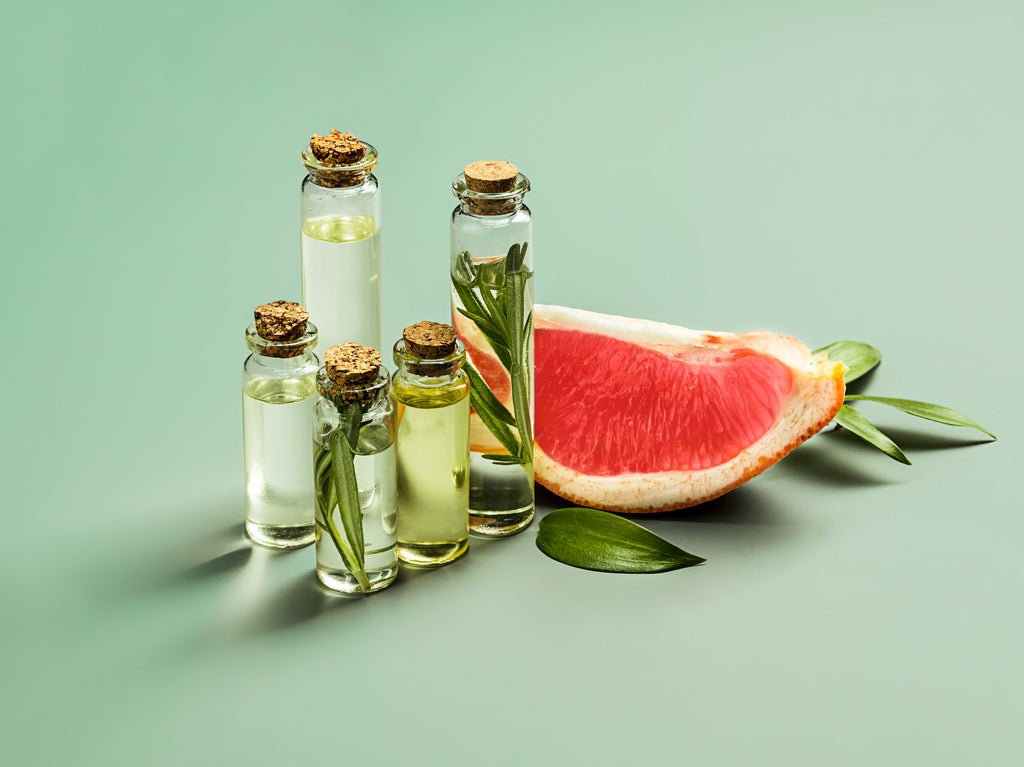
Grapefruit is loved for its fresh, citrus aroma and is often used in hair care, skincare, and home fragrance products. While true grapefruit essential oil is typically produced by cold pressing the peel or by steam distillation using specialized equipment, you can make a grapefruit-infused oil at home that captures much of the fruit's pleasant scent and can be used for cosmetic purposes.
Here's how to make a simple grapefruit-infused oil safely at home.
Before you begin, it's important to know that a homemade oil made by soaking grapefruit peel in a carrier oil is not the same as pure essential oil.
Essential oil: Highly concentrated, produced through cold pressing or steam distillation.
Infused oil: A carrier oil that has absorbed aromatic compounds from the grapefruit peel.
An infused oil is much easier and safer to prepare at home.
You will need:
2–3 fresh grapefruits
A clean glass jar with a tight-fitting lid
A carrier oil, such as:
Sweet almond oil
Jojoba oil
Fractionated coconut oil
Grapeseed oil
A vegetable peeler or grater
A fine mesh strainer or cheesecloth
Choose organic grapefruits if possible, as their peels are less likely to contain pesticide residues.

Wash the fruit thoroughly under running water to remove dirt and residues.
Dry the grapefruits completely before peeling, as excess moisture can shorten the shelf life of the infused oil.
Using a peeler or fine grater, remove only the brightly colored outer zest.
Avoid the white pith underneath, which contains little aroma and may add bitterness.
The fragrant oils are concentrated in the outer peel.
Spread the peel out on a clean towel or tray.
Let it air-dry for 12–24 hours until it is no longer damp but still flexible.
This helps reduce the moisture that could encourage mold growth.
Place the dried peel into the clean glass jar.
Pour in enough carrier oil to completely cover the peel.
Seal the jar tightly.
There are two common methods:
Store the jar in a cool, dark place.
Shake it gently once a day.
Allow it to infuse for 2–4 weeks.
Place the sealed jar in warm (not boiling) water for several hours.
Keep the temperature low to avoid damaging the oil.
Repeat over one or two days if desired.
The slow method generally produces a fresher aroma.
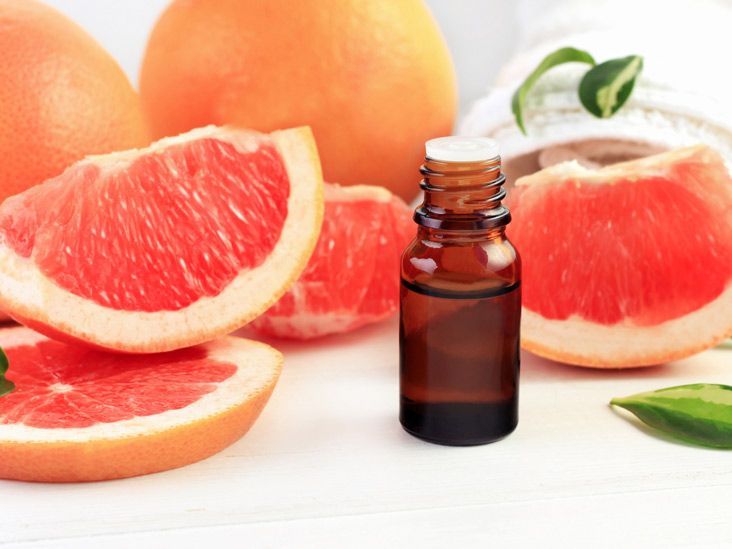
After the infusion period:
Pour the oil through cheesecloth or a fine mesh strainer.
Remove all pieces of peel.
Transfer the infused oil into a clean, dry glass bottle.
Dark-colored glass bottles help protect the oil from light.
To extend its shelf life:
Keep the bottle tightly sealed.
Store it in a cool, dark place.
Avoid direct sunlight and excessive heat.
Depending on the carrier oil used, the infused oil may last several months if stored properly.
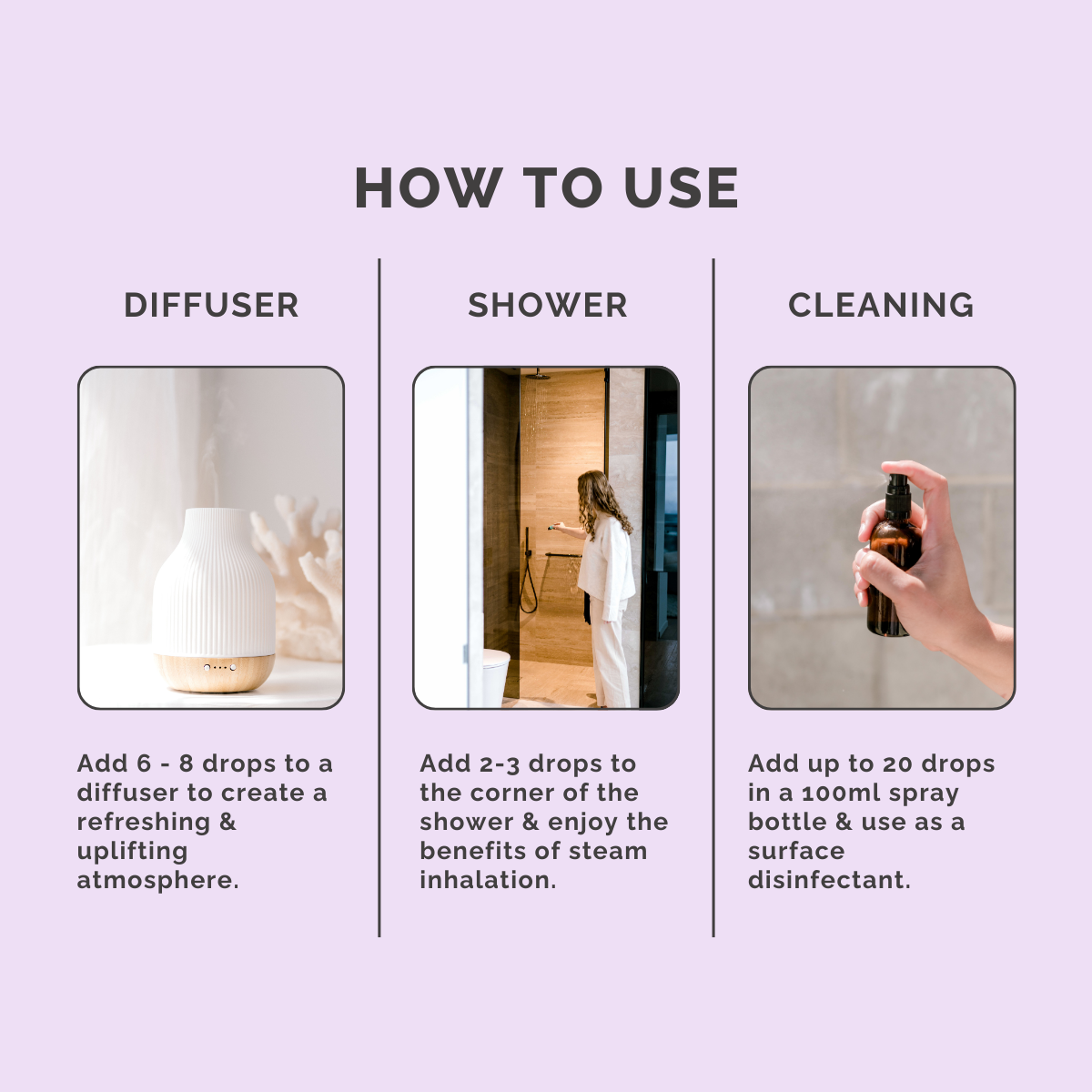
Homemade grapefruit-infused oil may be used for:
Massage (after confirming skin tolerance).
Hair care.
DIY body oils.
Homemade sugar or salt scrubs.
Aromatic skincare preparations.
Before applying it widely, perform a patch test by placing a small amount on a small area of skin and waiting 24 hours to check for irritation.
Keep these precautions in mind:
Homemade infused oil is not as concentrated as commercial grapefruit essential oil.
Citrus peel products may increase photosensitivity, making the skin more sensitive to sunlight. Avoid applying them to skin that will be exposed to strong sun unless the product is known to be free of phototoxic compounds.
Do not ingest homemade infused oils.
Discard the oil if it develops an unpleasant odor, mold, or cloudiness.
Because homemade infused oil is diluted in a carrier oil, it is not recommended for use in essential oil diffusers, which are designed for pure essential oils.
Instead, use the infused oil for cosmetic or massage purposes.
Making grapefruit-infused oil at home is an easy and enjoyable DIY project that lets you capture the fruit's refreshing citrus aroma. Although it is not true essential oil, it can be a wonderful addition to homemade skincare and hair care routines when prepared and stored properly.
Remember to use clean equipment, allow the peel to dry before infusing, store the finished oil in a cool, dark place, and perform a patch test before applying it to larger areas of skin.
Baking Soda: 12 Everyday Uses Worth Knowing
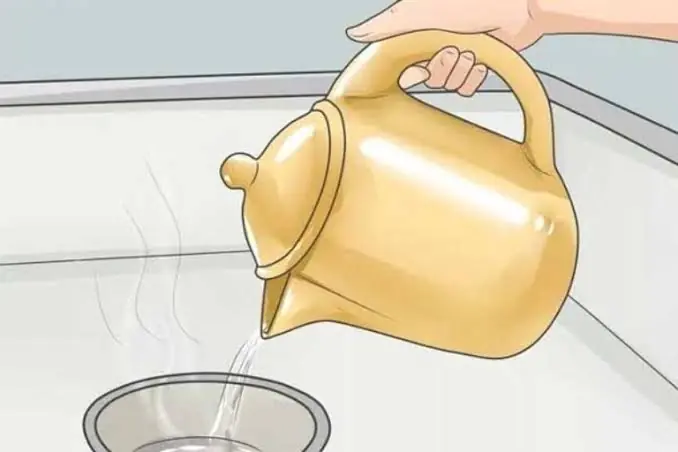
Why Do People Pour Hot Water Down the Drain? Benefits and Limitations Explained

A Towel on the Door Handle? Here's Why Some People Do It

Why Does Every Dog Do This? Science Has the Answer

Choose the nail design that instantly grabs your attention and discover what it may reveal about your personality and inner strengths.

Why Some People Place Salted Lemons Around the House?
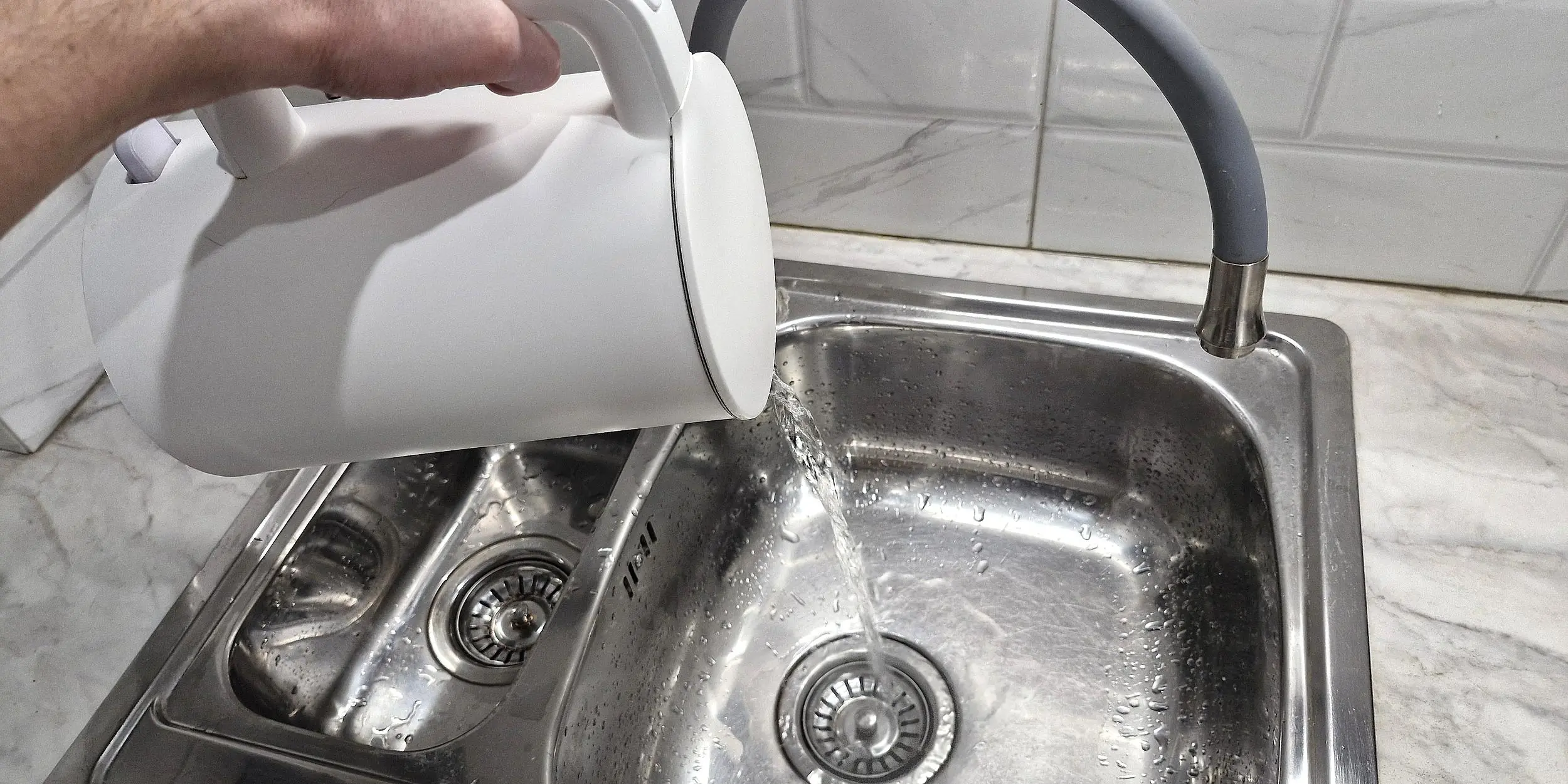
Think Boiling Water Cleans Your Drain? Here's the Truth

Is the Green Part of a Lobster Safe to Eat? Experts Weigh In

Many Families Regret Throwing These Items Away Too Soon
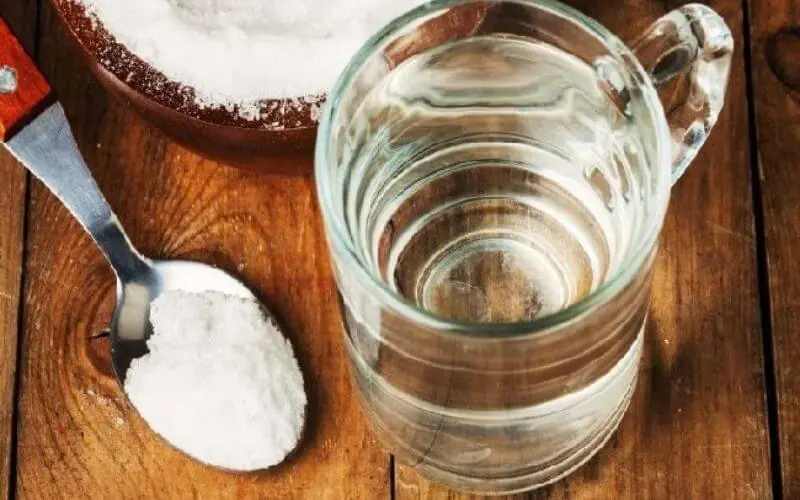
Salt and Vinegar in a Glass: Understanding This Popular Household Practice

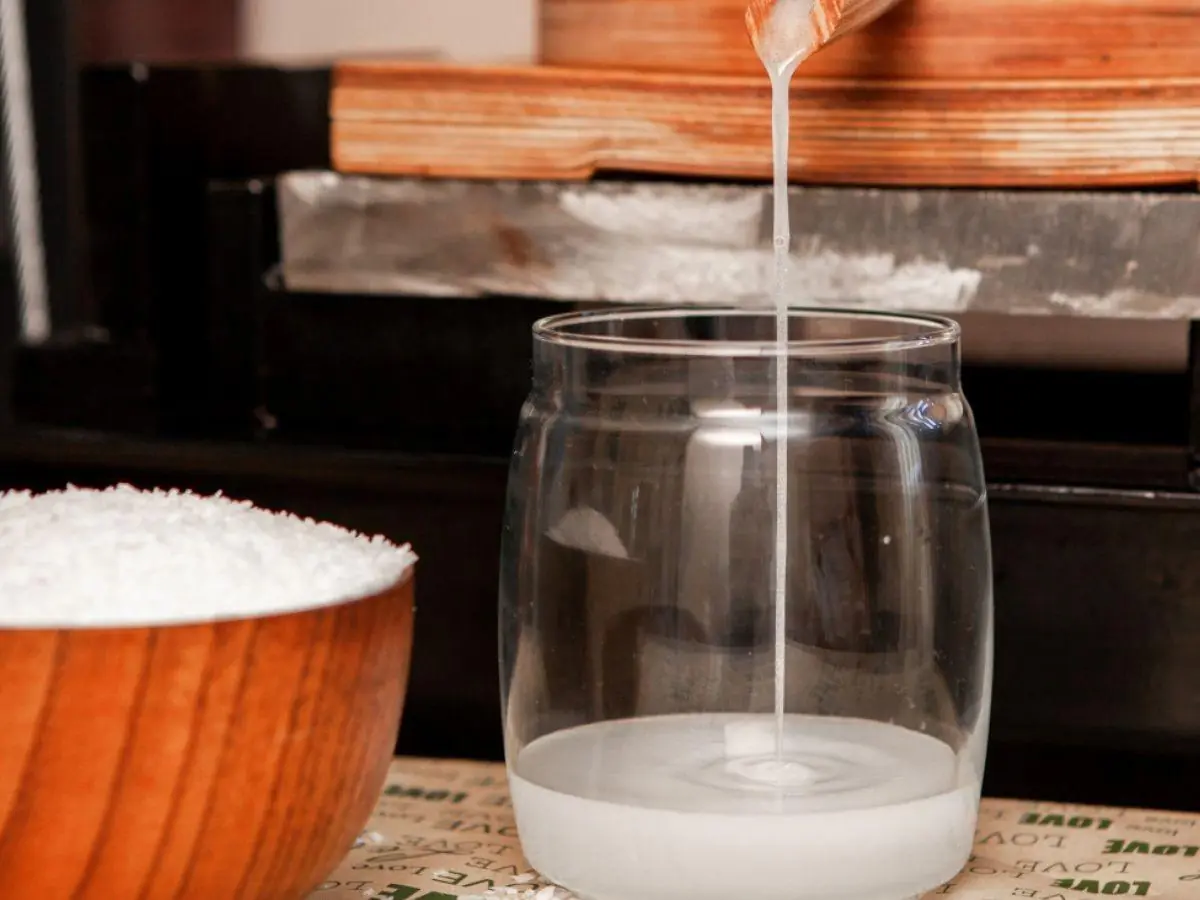
5 Surprising Ways Rice Water Can Save You Money

5 Plants to Keep Well-Maintained If You Want to Reduce Snake Hiding Places
10 Aloe Vera Uses That May Surprise You


One Mistake With a Power Strip Could Put Your Home at Risk

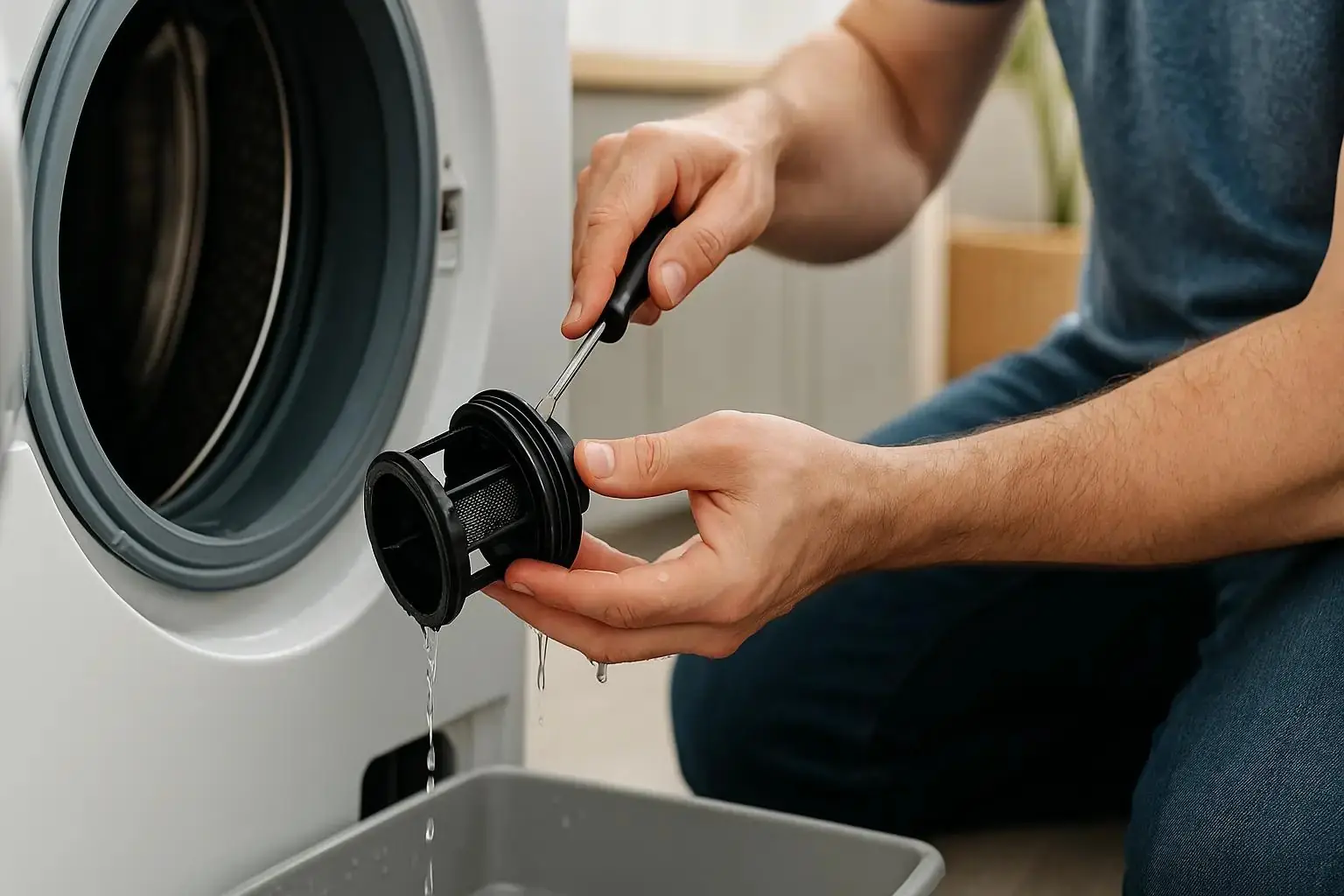
Open This Hidden Panel Monthly to Help Keep Your Washer Fresh


Many People Soak Their Feet in Apple Cider Vinegar - Here's Why

25-Year-Old Man Suffers Kidney Failure After Just One Bite

He Believed Lemon Water Would Help His Bl00d Pressure - What Happened After Two Years May Surprise You

Healthy Aging: What Science Says About 12 Everyday Habits

What Should You Do If a Bird Flies Into Your House?

Doctors Find a Possible Link to Eating One Type of Pickled Vegetable for Nearly 10

Doctors Warn It Can Be More Toxic Than Arsenic if Prepared Incorrectly

Your Liver May Be Sending Quiet Warning Signals
Baking Soda: 12 Everyday Uses Worth Knowing

54-Year-Old Woman Thought Ginger Was Healthy Ate It Daily for 3 Months and Paid a Painful Price
Drinking Chia Seed Water Every Day: Potential Benefits and What You Should Know
Doctors reveal that eating avocados causes… see more
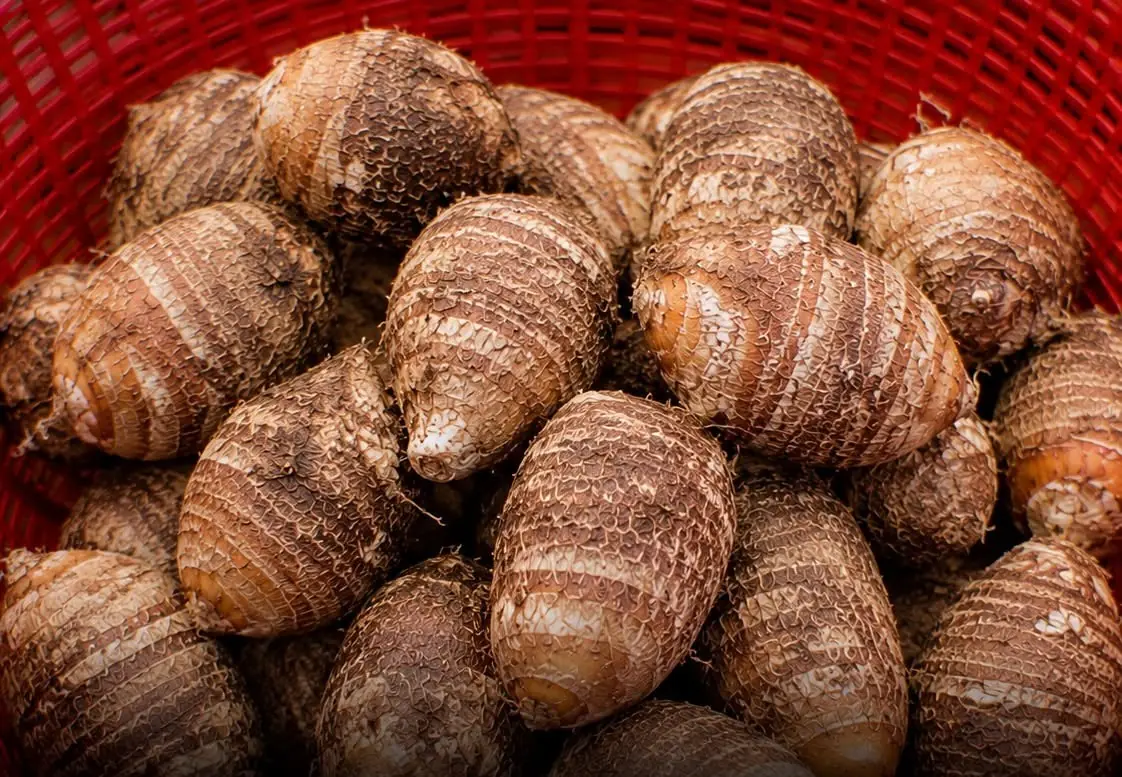
Scientists Were Surprised by the One Root Vegetable Everyone in This Village Eats Daily

Not all chicken is created equal: 3 parts you may want to avoid.

He Ate Raw Garlic Every Morning for 6 Years—Then Doctors Made a Shocking Discovery

A Natural Source of Collagen You May Be Overlooking

Don't Ignore Leg Cramps at Night. Here's What You Should Know.

5 Changes on Your Nose That Doctors Say You Should Never Ignore

Healthy Arteries Start With the Right Nutrition
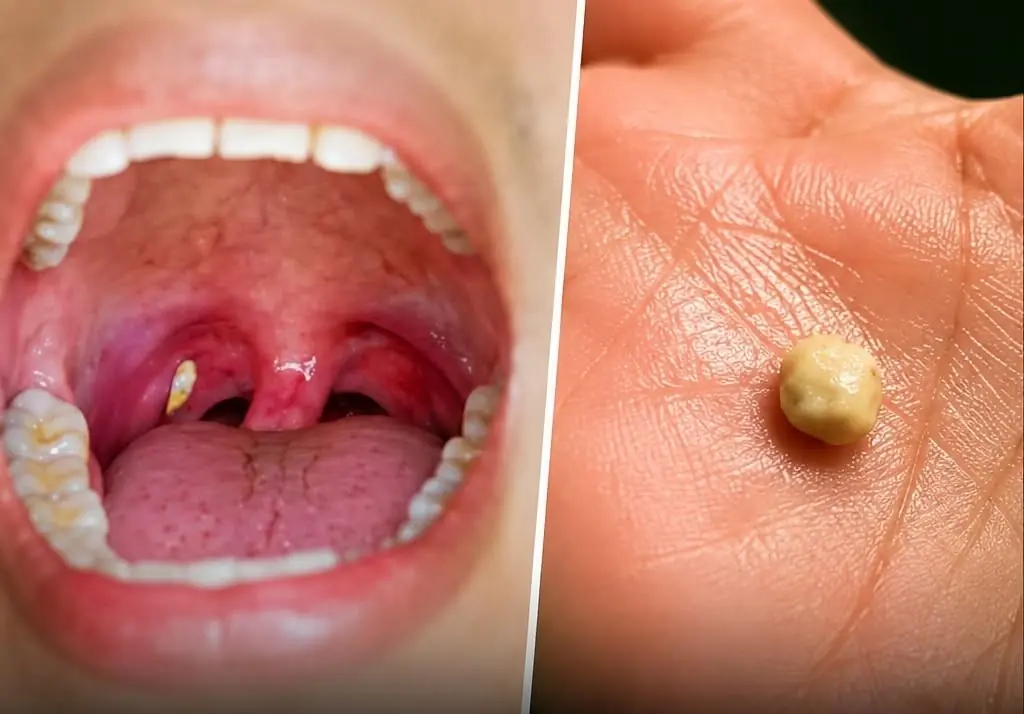
The Hidden Reason You Constantly Feel Something Stuck When Swallowing