
Don't Dismiss Hip Pain—It Could Be Linked to an Underlying Condition
These Common Conditions May Be Causing Your Hip Pain—Learn the Signs
Health 22/07/2026 00:00
Chia seeds have become one of the most popular "superfoods" in recent years, appearing in smoothies, oatmeal, yogurt, baked goods, and a growing number of wellness drinks. One particularly popular trend is chia seed water - a simple beverage made by soaking chia seeds in water until they form a soft, gel-like texture.
Supporters claim that drinking chia seed water every day can help with weight loss, improve digestion, boost heart health, stabilize blood sugar, and even increase energy. While chia seeds are certainly nutritious, many of these claims are exaggerated.
Current scientific evidence suggests that chia seeds can be a healthy addition to a balanced diet, but drinking chia seed water alone is not a cure-all or a substitute for healthy eating and regular physical activity.
Let's explore what research actually tells us.
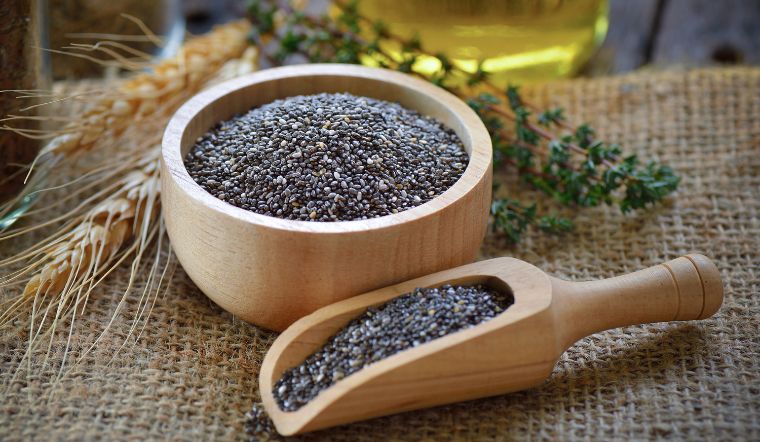
Chia seeds come from the plant Salvia hispanica, which is native to Central America. They have been consumed for centuries and were valued by ancient civilizations such as the Aztecs and Maya for their nutritional properties.
Although tiny, chia seeds are packed with nutrients, including:
Dietary fiber
Plant-based protein
Healthy fats
Alpha-linolenic acid (ALA), a plant-based omega-3 fatty acid
Calcium
Magnesium
Phosphorus
Manganese
Antioxidants
When soaked in water, chia seeds absorb many times their weight in liquid, forming a gel-like coating that gives chia seed water its distinctive texture.
Many people enjoy chia seed water because it is:
Easy to prepare
Naturally gluten-free
High in fiber
Low in added sugar
Refreshing
Versatile
Social media often promotes it as a "miracle drink," but most of its potential benefits come from the nutritional value of chia seeds themselves, not from the water.
One of chia seeds' greatest strengths is their high fiber content.
Dietary fiber helps:
Support regular bowel movements
Promote healthy digestion
Feed beneficial gut bacteria
Increase stool bulk
Most adults do not consume enough fiber, and adding chia seeds to the diet may help close that gap.
However, fiber should be increased gradually while maintaining adequate fluid intake to reduce the risk of bloating or digestive discomfort.
Because chia seeds absorb water and expand into a gel, they may slow stomach emptying and increase feelings of fullness after meals.
Some people find this helpful when trying to manage calorie intake.
However, chia seed water alone is unlikely to produce significant weight loss without broader lifestyle changes such as a balanced diet and regular exercise.
Chia seeds contain:
Soluble fiber
Unsaturated fats
Plant-based omega-3 fatty acids (ALA)
These nutrients are associated with heart health as part of an overall healthy dietary pattern.
Some studies suggest chia seeds may contribute to modest improvements in certain cardiovascular risk factors, but evidence remains mixed.
Drinking chia seed water should not replace proven strategies such as:
Eating a balanced diet
Exercising regularly
Managing blood pressure
Following prescribed medications when needed
Fiber slows the digestion and absorption of carbohydrates.
As a result, meals containing fiber-rich foods like chia seeds may lead to a more gradual rise in blood sugar after eating.
Some research suggests chia seeds may support healthy blood sugar regulation as part of a balanced diet, but they are not a treatment for diabetes.
People with diabetes should continue following their healthcare provider's recommendations.
Because chia seeds absorb water, some people believe they improve hydration.
In reality, the main source of hydration is still the water itself.
Chia seeds may help retain water within the digestive tract for a period of time, but more research is needed to determine whether this meaningfully improves hydration in everyday life.
The drink can nevertheless be an enjoyable way to increase daily fluid intake.
Although consumed in relatively small amounts, chia seeds contribute valuable nutrients to the diet.
They provide:
Plant protein
Healthy fats
Calcium
Magnesium
Iron
Zinc
Antioxidants
These nutrients support many normal body functions, including bone health, muscle function, and energy metabolism.
This is one of the most common claims online.
The answer is possibly—but only indirectly.
Chia seed water may:
Increase feelings of fullness.
Help reduce snacking for some people.
Replace sugar-sweetened beverages.
However, there is no strong evidence that drinking chia seed water alone causes significant or lasting weight loss.
Sustainable weight management depends on overall eating patterns, physical activity, sleep, stress management, and long-term lifestyle habits.
1 tablespoon chia seeds
1–2 cups water
Optional: fresh lemon juice or lime juice for flavor
Add chia seeds to the water.
Stir well.
Let the mixture sit for 15–30 minutes.
Stir again before drinking.
Some people prefer refrigerating the mixture for a cooler, thicker drink.
There is no universally recommended amount of chia seed water.
For most healthy adults, 1–2 tablespoons of chia seeds per day can fit comfortably into a balanced diet.
Because chia seeds are very high in fiber, increasing intake gradually may help minimize digestive discomfort.
Although chia seeds are generally considered safe for most people, they are not appropriate for everyone.
Potential concerns include:
Suddenly consuming large amounts of fiber may cause:
Bloating
Gas
Abdominal discomfort
Increasing intake gradually and drinking enough water can help.
Dry chia seeds absorb liquid rapidly.
Some experts advise avoiding swallowing large amounts of dry chia seeds followed by water, as they can expand before reaching the stomach.
Soaking chia seeds before consuming them may reduce this risk.
Although uncommon, allergies to chia seeds can occur.
Seek medical attention immediately if you experience:
Difficulty breathing
Swelling
Hives
Severe allergic symptoms
Because chia seeds may modestly affect blood sugar or blood pressure in some individuals, people taking medications for diabetes or hypertension should consult their healthcare provider before making major dietary changes.
No single beverage determines your health.
The strongest evidence supports:
Include:
Fruits
Vegetables
Whole grains
Legumes
Lean proteins
Healthy fats
Aim for a combination of:
Aerobic activity
Strength training
Flexibility exercises
Water remains the best beverage for meeting daily hydration needs.
Adults generally benefit from 7–9 hours of quality sleep each night.
Healthy stress management supports both physical and mental well-being.
False.
No beverage specifically targets abdominal fat.
False.
The liver and kidneys naturally remove waste products from the body.
Chia seed water does not "flush out toxins."
False.
Excessive fiber intake may increase digestive discomfort without providing additional health benefits.
Moderation remains important.
False.
Chia seed water is a nutritious addition to meals but cannot replace a varied, nutrient-rich eating pattern.
Consult your healthcare provider before regularly consuming chia seed water if you:
Have difficulty swallowing.
Have inflammatory bowel disease during a flare-up.
Take blood sugar-lowering medications.
Take blood pressure medications.
Have known food allergies.
Have chronic digestive disorders.
Chia seed water can be a nutritious and refreshing beverage that fits well into a healthy lifestyle. The fiber, plant-based omega-3 fatty acids, protein, and essential minerals found in chia seeds may support digestive health, promote feelings of fullness, contribute to heart health, and help maintain healthy blood sugar levels when consumed as part of a balanced diet. However, its benefits are best viewed as supportive rather than transformative.
Rather than expecting dramatic results from a single drink, focus on the habits that have consistently been shown to promote long-term health: eating a varied diet rich in whole foods, staying physically active, getting enough sleep, managing stress, and keeping up with routine medical care. Chia seed water can be one enjoyable piece of that larger picture, but it is not a substitute for evidence-based nutrition or medical treatment.
These Common Conditions May Be Causing Your Hip Pain—Learn the Signs
⚠️ Don't Ignore Hip Pain—It May Be Linked to More Than You Think
😨 Small Changes Could Point to Kidney Problems—Here's What Experts Say to Watch For
These Unexpected Nail Changes May Signal an Underlying Health Issue 👇

5 Common Mini Stroke Warning Signs Every Family Should Recognize
Can Diet and Lifestyle Help Reduce Bloating? Here's What We Know
8 Common Claims About Castor Oil and Baking Soda

Many People Soak Their Feet in Apple Cider Vinegar - Here's Why

He Believed Lemon Water Would Help His Bl00d Pressure - What Happened After Two Years May Surprise You
Healthy Aging: What Science Says About 12 Everyday Habits

Doctors Find a Possible Link to Eating One Type of Pickled Vegetable for Nearly 10

Doctors Warn It Can Be More Toxic Than Arsenic if Prepared Incorrectly

Your Liver May Be Sending Quiet Warning Signals

54-Year-Old Woman Thought Ginger Was Healthy Ate It Daily for 3 Months and Paid a Painful Price
Doctors reveal that eating avocados causes… see more
Scientists Were Surprised by the One Root Vegetable Everyone in This Village Eats Daily

Not all chicken is created equal: 3 parts you may want to avoid.

He Ate Raw Garlic Every Morning for 6 Years—Then Doctors Made a Shocking Discovery
A Natural Source of Collagen You May Be Overlooking
These Common Conditions May Be Causing Your Hip Pain—Learn the Signs
⚠️ Don't Ignore Hip Pain—It May Be Linked to More Than You Think
😨 Small Changes Could Point to Kidney Problems—Here's What Experts Say to Watch For
These Unexpected Nail Changes May Signal an Underlying Health Issue 👇
5 Common Mini Stroke Warning Signs Every Family Should Recognize
Can Diet and Lifestyle Help Reduce Bloating? Here's What We Know
8 Common Claims About Castor Oil and Baking Soda
Many People Soak Their Feet in Apple Cider Vinegar - Here's Why

25-Year-Old Man Suffers Kidney Failure After Just One Bite
He Believed Lemon Water Would Help His Bl00d Pressure - What Happened After Two Years May Surprise You
Healthy Aging: What Science Says About 12 Everyday Habits

What Should You Do If a Bird Flies Into Your House?
Doctors Find a Possible Link to Eating One Type of Pickled Vegetable for Nearly 10
Doctors Warn It Can Be More Toxic Than Arsenic if Prepared Incorrectly
Your Liver May Be Sending Quiet Warning Signals
Baking Soda: 12 Everyday Uses Worth Knowing
54-Year-Old Woman Thought Ginger Was Healthy Ate It Daily for 3 Months and Paid a Painful Price
Doctors reveal that eating avocados causes… see more
Scientists Were Surprised by the One Root Vegetable Everyone in This Village Eats Daily