If you've spent time on social media, you've probably come across a popular household tip: fill a glass with salt and vinegar, place it in a room, and leave it overnight. Some posts claim that this simple mixture can "absorb negative energy," "purify the air," "remove toxins," or even improve your health.
The idea has become so widespread that many people try it out of curiosity. But is there any scientific evidence behind these claims?
The short answer is no. While salt and vinegar each have practical household uses, there is currently no reliable scientific evidence that simply placing a glass containing salt and vinegar in a room cleans the air, removes harmful substances, or provides health benefits.
That doesn't mean the mixture is completely useless—it simply means its benefits are often misunderstood.
Let's explore what this household tradition is really about and what science tells us.
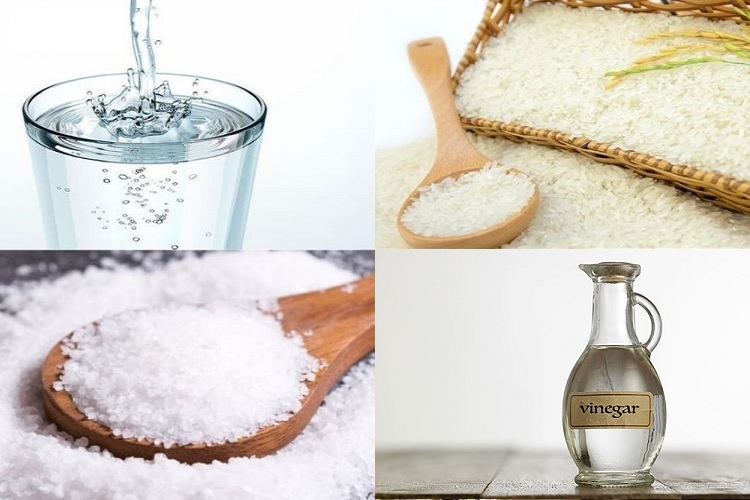
Where Did This Practice Come From?
The tradition of placing salt and vinegar in a room appears to come from a combination of:
-
Traditional folk beliefs
-
Cultural cleansing rituals
-
Household cleaning practices
-
Modern social media trends
In many cultures, salt has long symbolized:
-
Purity
-
Protection
-
Good fortune
-
Spiritual cleansing
Vinegar has also been valued for centuries as a natural cleaning ingredient.
Over time, these ideas became blended into the belief that a bowl or glass containing salt and vinegar could somehow cleanse an entire room.
However, symbolism and tradition are not the same as scientific evidence.
Why Do People Believe It Works?
Several common claims circulate online.
These include that salt and vinegar can:
-
Remove negative energy
-
Purify indoor air
-
Absorb toxins
-
Eliminate bacteria in the air
-
Reduce allergens
-
Improve mood
-
Remove bad odors
Most of these claims have not been supported by scientific studies.
Some people may notice changes after trying the method, but this does not necessarily mean the mixture itself caused those changes.
What Can Salt Actually Do?
Salt (sodium chloride) has several well-established uses.
It can:
-
Season food
-
Help preserve certain foods
-
Create abrasive cleaning pastes when combined with other ingredients
-
Assist in removing some stains
Salt can also absorb small amounts of moisture under certain conditions, but ordinary table salt is not an effective room dehumidifier.
Special products designed for moisture control usually contain different compounds, such as calcium chloride, which is much more effective at absorbing water from the air.
What Can Vinegar Actually Do?
Household white vinegar contains diluted acetic acid.
It is widely used for cleaning because it can help dissolve:
-
Mineral deposits
-
Soap scum
-
Hard water stains
Vinegar may also reduce certain bacteria on hard surfaces when used correctly.
However, simply leaving an open container of vinegar in a room does not disinfect the air or eliminate airborne germs.
Cleaning a countertop with vinegar is very different from placing a glass of vinegar on a table.
Does Salt and Vinegar Clean the Air?
There is no strong scientific evidence that an open glass of salt and vinegar significantly improves indoor air quality.
Indoor air quality is influenced by factors such as:
-
Ventilation
-
Humidity
-
Dust
-
Mold
-
Outdoor pollution
-
Tobacco smoke
-
Cooking fumes
-
Cleaning products
Improving air quality usually requires practical measures such as:
-
Opening windows when appropriate
-
Using proper ventilation
-
Maintaining HVAC systems
-
Reducing indoor pollutants
-
Addressing moisture problems
-
Using certified air purifiers when needed
A glass of salt and vinegar cannot replace these strategies.
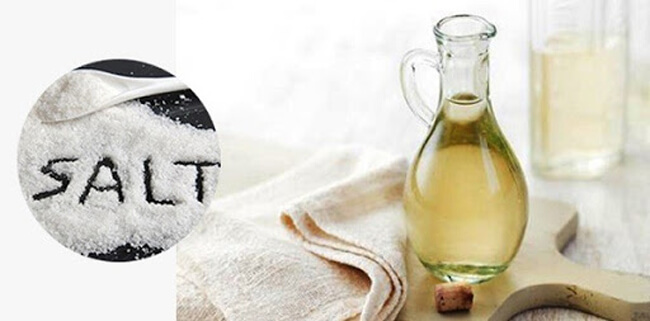
Can It Remove Bad Odors?
This claim is a little more nuanced.
Vinegar has a strong smell of its own, and some people find that it can help reduce certain lingering odors in enclosed spaces over time.
However:
-
It does not neutralize every type of odor.
-
It is not comparable to proper ventilation.
-
The vinegar smell may itself be unpleasant for some people.
If odors persist, identifying and removing the source is usually much more effective than masking or attempting to absorb smells.
Why Do Some People Think They Feel Better?
Sometimes people report that a room feels "lighter" or "cleaner" after placing salt and vinegar inside.
Several factors may contribute to this perception:
Expectation
When people expect something to work, they may genuinely perceive improvement.
This is a well-recognized psychological phenomenon.
Coincidence
Sometimes the room was cleaned, aired out, or reorganized around the same time.
These changes—not the salt and vinegar—may explain the difference.
Pleasant Ritual
Taking time to care for one's home may improve mood and create a greater sense of comfort.
Simple routines can positively affect emotional well-being even if the object itself has no measurable effect on air quality.
Practical Household Uses for Salt and Vinegar
Although the "glass in the room" idea lacks strong evidence, salt and vinegar each have useful applications.
Cleaning Mineral Deposits
Vinegar can help dissolve mineral buildup on:
-
Faucets
-
Showerheads
-
Kettles
Removing Hard Water Stains
White vinegar may help loosen:
-
Soap scum
-
Hard water residue
-
Limescale
Cleaning Certain Kitchen Surfaces
Diluted vinegar may be suitable for some non-porous surfaces.
However, it should not be used on materials such as:
-
Natural stone
-
Marble
-
Granite
because the acid may damage these surfaces.
Gentle Abrasive Cleaning
Salt can act as a mild abrasive for scrubbing certain cookware or stains.
Better Ways to Improve Indoor Air Quality
If your goal is a healthier home, evidence-based strategies are much more effective.
Increase Ventilation
Fresh outdoor air can reduce indoor pollutants.
When weather and outdoor air quality permit:
-
Open windows.
-
Use exhaust fans.
-
Improve airflow.
Control Humidity
Excess moisture encourages mold growth.
Aim for indoor humidity between 30% and 50% whenever possible.
Clean Regularly
Dusting and vacuuming help reduce:
-
Dust
-
Pet dander
-
Allergens
Using a vacuum with a HEPA filter may further reduce airborne particles.
Replace HVAC Filters
Changing air filters according to the manufacturer's recommendations helps maintain efficient airflow and may improve indoor air quality.
Avoid Indoor Smoking
Tobacco smoke is a major source of indoor air pollution.
Keeping your home smoke-free benefits everyone.
Common Myths About Salt and Vinegar
Myth 1: The Mixture Absorbs Negative Energy
There is no scientific method for measuring or confirming this claim.
Whether people view the practice as meaningful often depends on personal or cultural beliefs rather than scientific evidence.
Myth 2: It Removes Airborne Bacteria
False.
Simply placing vinegar and salt in an open container does not disinfect the air.
Proper ventilation and good hygiene remain the most effective approaches.
Myth 3: It Eliminates All Odors
False.
Some odors may seem less noticeable temporarily, but persistent smells usually require identifying and addressing their source.
Is It Harmful?
For most households, leaving a small glass containing salt and white vinegar in a room is unlikely to be harmful, provided it is placed safely away from:
-
Children
-
Pets
-
Electrical equipment
However, it should not replace:
-
Proper cleaning
-
Mold removal
-
Ventilation
-
Medical treatment for allergies or respiratory problems
Also, never mix vinegar with bleach, as doing so releases toxic chlorine gas that can seriously irritate or damage the eyes and respiratory system.
Final Thoughts
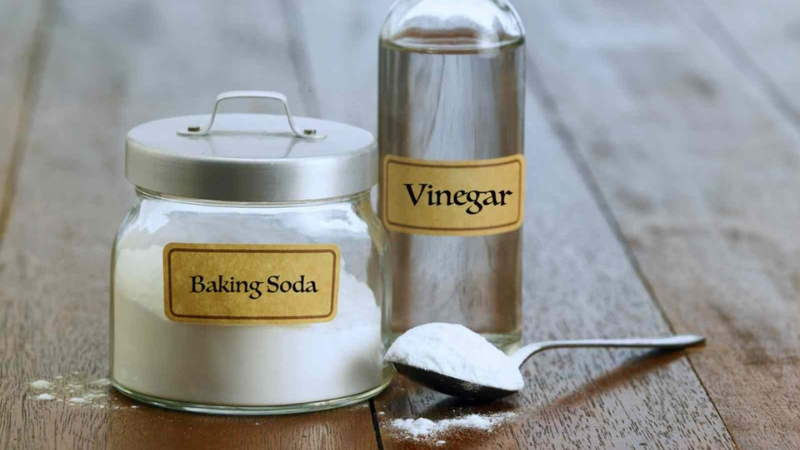
The idea of placing a glass of salt and vinegar in a room has been passed down through tradition and has gained new popularity through social media. While many people enjoy the ritual or believe it brings a sense of freshness or comfort, there is no reliable scientific evidence that the mixture purifies indoor air, removes toxins, kills airborne germs, or improves health simply by sitting in an open container.
That doesn't diminish the value of salt and vinegar as everyday household ingredients. Vinegar is useful for removing mineral deposits and cleaning certain surfaces, while salt can serve as a gentle abrasive in some cleaning tasks. However, if your goal is to create a healthier indoor environment, the most effective steps are keeping your home clean, improving ventilation, controlling humidity, and addressing the actual sources of odors or pollutants.
Understanding the difference between traditional household practices and evidence-based recommendations allows you to make informed decisions while still appreciating the cultural traditions that many families enjoy.