
Don't Dismiss Hip Pain—It Could Be Linked to an Underlying Condition
These Common Conditions May Be Causing Your Hip Pain—Learn the Signs
Health 22/07/2026 00:00
Chicken is one of the most widely consumed sources of protein in the world. It's affordable, versatile, and packed with important nutrients such as protein, vitamin B12, selenium, and phosphorus. From comforting homemade soups to nutritious grilled dishes, chicken has earned its place in countless healthy diets.
However, social media frequently circulates alarming claims about certain chicken parts being "toxic" or "poisonous." The truth is more nuanced. Most edible parts of properly raised and thoroughly cooked chicken can be safely consumed in moderation. Nevertheless, some parts deserve extra attention because of their nutritional composition, food safety considerations, or potential contamination risks if not prepared appropriately.
Rather than asking which chicken parts should "never" be eaten, a better question may be:
Which parts should we consume thoughtfully and prepare safely?
Let's take a closer look.
1. Chicken Skin: Delicious but High in Fat
Chicken skin is beloved in many cuisines because of its rich flavor and crispy texture. Nutritionally, however, it contains substantially more fat and calories than lean chicken meat.
Regularly consuming large portions of chicken skin may contribute to excessive intake of:
This doesn't mean chicken skin is inherently harmful. Healthy individuals can often enjoy it occasionally as part of a balanced diet.
Moderation becomes particularly important for individuals who are:
Preparation methods also matter considerably. Deep-fried chicken skin provides a very different nutritional profile compared with small amounts consumed occasionally in roasted preparations.
Balance remains the key.
Chicken giblets may include:
These foods are highly nutritious and provide:
Many traditional cuisines around the world consider giblets valuable sources of nutrition.
However, because internal organs perform various biological functions within animals, proper handling and preparation become especially important.
Food safety recommendations include:
Undercooked poultry products may increase the risk of foodborne illnesses caused by organisms such as:
The concern isn't that giblets are "toxic." Rather, improper preparation of any poultry product can create avoidable food safety risks.
3. Chicken Head, Neck, and Other Specialty Cuts Deserve Careful Preparation
In many cultures, specialty cuts such as:
are traditional delicacies enjoyed safely when properly prepared.
Internet claims occasionally suggest that these parts universally accumulate dangerous toxins. Scientific evidence does not support such oversimplified conclusions.
Nevertheless, specialty cuts require careful attention because they may contain:
Individuals should always ensure that:
Safe preparation practices are considerably more important than assuming specific body parts are automatically dangerous.
Surprisingly, the greatest risks associated with chicken consumption often involve:
Raw chicken naturally may harbor bacteria that can spread easily throughout the kitchen.
Food safety experts consistently recommend:
Proper handling dramatically reduces preventable foodborne illnesses.
Can Chicken Liver Be Healthy?
Chicken liver frequently receives conflicting publicity online.
In reality, it provides impressive amounts of:
For many individuals, moderate consumption can contribute positively to a balanced diet.
However, because chicken liver contains extremely high concentrations of vitamin A, excessive intake may not be appropriate for everyone.
Individuals should discuss specialized nutritional needs with healthcare professionals when necessary, particularly if they:
Again, moderation matters considerably more than avoiding nutritious foods entirely.
One of the most persistent myths surrounding chicken involves concerns that all poultry products are filled with hormones or dangerous chemicals.
Food regulations vary considerably among countries, but many jurisdictions maintain strict standards governing:
Purchasing products from reputable suppliers remains one of the most effective ways to support food safety.
Consumers may also choose products that align with their personal preferences regarding:
Making informed purchasing decisions is often more helpful than relying upon generalized internet claims.
Building a Healthier Relationship With Food
No individual food determines long-term health outcomes by itself.
Healthy eating patterns are generally characterized by:
Rather than labeling foods as entirely "good" or "bad," modern nutritional science increasingly focuses upon dietary patterns as a whole.
For most healthy adults, properly prepared chicken can provide:
The greatest determinants of dietary quality usually involve:
To maximize both safety and nutritional value:
Small habits often make the greatest differences in food safety outcomes.
Final Thoughts
Contrary to alarming internet headlines, most edible chicken parts are not inherently "toxic." When sourced responsibly and prepared appropriately, chicken remains an excellent source of nutrition enjoyed safely around the world.
Some components—such as chicken skin or specialty cuts—may warrant moderation or careful preparation depending upon individual nutritional needs and food safety considerations. The greatest risks associated with poultry consumption usually stem not from specific body parts themselves, but from improper handling and cooking practices.
Ultimately, good nutrition isn't about fearing individual foods. It's about making thoughtful choices consistently over time.
Enjoy nutritious foods, prioritize proper food safety practices, and remember that balance—not perfection—is usually the healthiest approach.
Disclaimer: This article is intended for educational purposes only and should not replace professional medical, nutritional, or food safety advice. Dietary needs vary among individuals, and poultry safety recommendations may differ by country or region.
(Approximately 1,080 words)
These Common Conditions May Be Causing Your Hip Pain—Learn the Signs
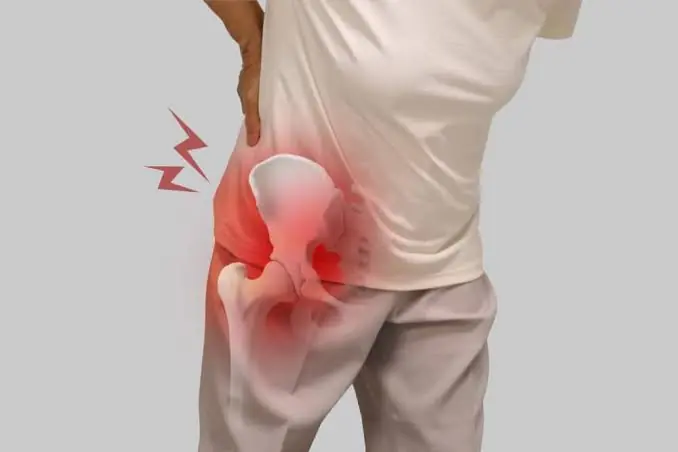
⚠️ Don't Ignore Hip Pain—It May Be Linked to More Than You Think
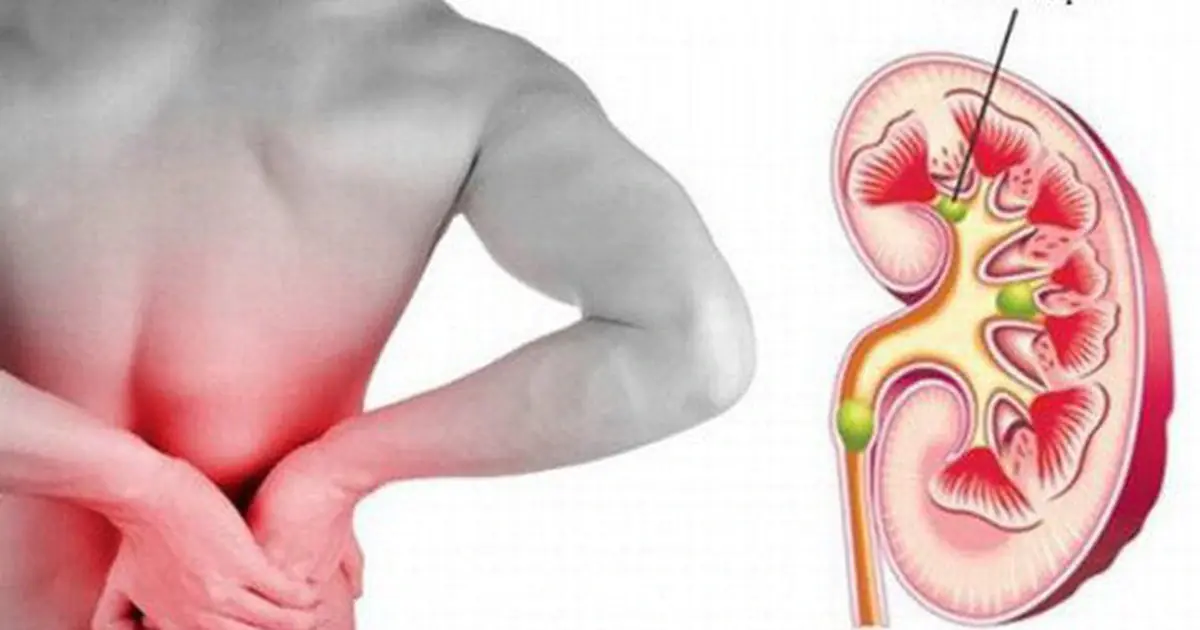
😨 Small Changes Could Point to Kidney Problems—Here's What Experts Say to Watch For
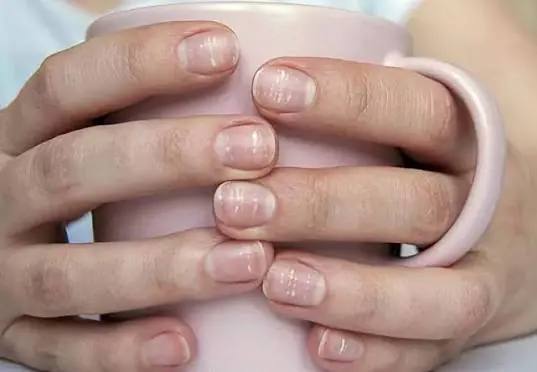
These Unexpected Nail Changes May Signal an Underlying Health Issue 👇
5 Common Mini Stroke Warning Signs Every Family Should Recognize
Can Diet and Lifestyle Help Reduce Bloating? Here's What We Know
8 Common Claims About Castor Oil and Baking Soda

Many People Soak Their Feet in Apple Cider Vinegar - Here's Why
He Believed Lemon Water Would Help His Bl00d Pressure - What Happened After Two Years May Surprise You
Healthy Aging: What Science Says About 12 Everyday Habits

Doctors Find a Possible Link to Eating One Type of Pickled Vegetable for Nearly 10

Doctors Warn It Can Be More Toxic Than Arsenic if Prepared Incorrectly

Your Liver May Be Sending Quiet Warning Signals
54-Year-Old Woman Thought Ginger Was Healthy Ate It Daily for 3 Months and Paid a Painful Price
Drinking Chia Seed Water Every Day: Potential Benefits and What You Should Know
Doctors reveal that eating avocados causes… see more
Scientists Were Surprised by the One Root Vegetable Everyone in This Village Eats Daily
He Ate Raw Garlic Every Morning for 6 Years—Then Doctors Made a Shocking Discovery
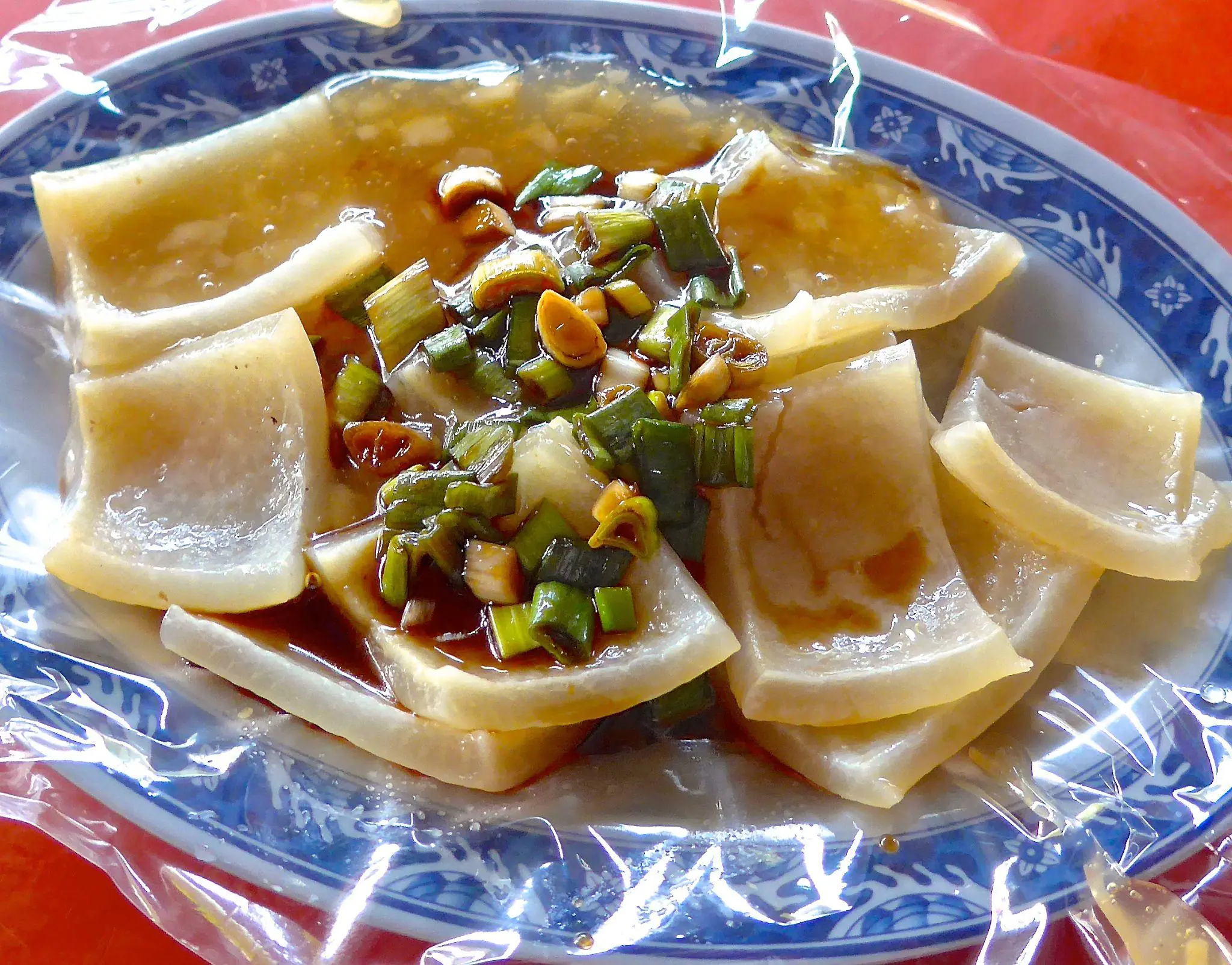
A Natural Source of Collagen You May Be Overlooking
These Common Conditions May Be Causing Your Hip Pain—Learn the Signs
⚠️ Don't Ignore Hip Pain—It May Be Linked to More Than You Think
😨 Small Changes Could Point to Kidney Problems—Here's What Experts Say to Watch For
These Unexpected Nail Changes May Signal an Underlying Health Issue 👇
5 Common Mini Stroke Warning Signs Every Family Should Recognize
Can Diet and Lifestyle Help Reduce Bloating? Here's What We Know
8 Common Claims About Castor Oil and Baking Soda
Many People Soak Their Feet in Apple Cider Vinegar - Here's Why
25-Year-Old Man Suffers Kidney Failure After Just One Bite
He Believed Lemon Water Would Help His Bl00d Pressure - What Happened After Two Years May Surprise You
Healthy Aging: What Science Says About 12 Everyday Habits

What Should You Do If a Bird Flies Into Your House?
Doctors Find a Possible Link to Eating One Type of Pickled Vegetable for Nearly 10
Doctors Warn It Can Be More Toxic Than Arsenic if Prepared Incorrectly
Your Liver May Be Sending Quiet Warning Signals
Baking Soda: 12 Everyday Uses Worth Knowing
54-Year-Old Woman Thought Ginger Was Healthy Ate It Daily for 3 Months and Paid a Painful Price
Drinking Chia Seed Water Every Day: Potential Benefits and What You Should Know
Doctors reveal that eating avocados causes… see more
Scientists Were Surprised by the One Root Vegetable Everyone in This Village Eats Daily