Although headaches are common, the location of the pain can offer useful clues about what might be happening in your body.
Where your head hurts, how the pain feels, how long it lasts, and which other symptoms accompany it may help identify the possible cause. For example, a tight sensation around the forehead may be associated with a tension-type headache, while severe pain around one eye accompanied by tearing may suggest a cluster headache. Migraines can affect one side of the head, both sides, or areas around the face and neck.
However, headache location alone cannot determine the exact cause. Several conditions can produce pain in the same area, and the location may change during an attack. Most headaches are not caused by a life-threatening condition, but certain symptoms require urgent medical attention.
Understanding different headache patterns can help you recognize when simple self-care may be appropriate, when to arrange a medical appointment, and when not to wait for the pain to pass.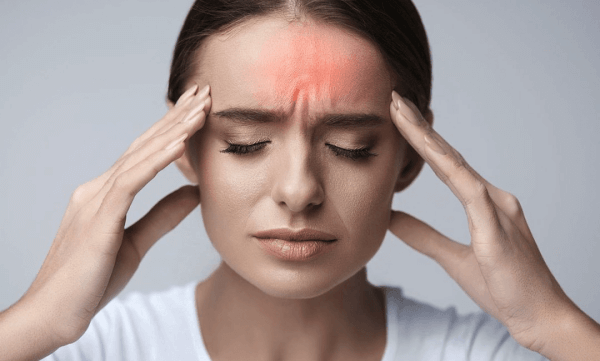
1. Forehead Pain: Could It Be a Tension Headache?
Pain across the forehead is one of the most familiar headache patterns. It may feel like pressure behind the forehead, a dull ache above the eyebrows, or a tight band extending across the front of the head.
One possible explanation is a tension-type headache. These headaches are common and may be associated with stress, fatigue, sleep difficulties, muscle tenderness, or prolonged periods spent in one position.
A tension-type headache typically produces mild to moderate pressure rather than intense throbbing. Some people experience tenderness around the scalp, temples, neck, or shoulders. The discomfort can last for several hours and occasionally persist for days.
Everyday habits may contribute to this pattern. Spending long periods looking at a computer, hunching over a phone, clenching the jaw, skipping meals, or sleeping poorly can contribute to headaches in susceptible people.
What may help?
-
Take short breaks from screens and prolonged sitting.
-
Relax your shoulders and gently move your neck.
-
Drink water regularly and avoid skipping meals.
-
Maintain a consistent sleep schedule.
-
Try relaxation techniques if stress appears to be a trigger.
If forehead pain happens frequently, becomes progressively worse, or interferes with normal activities, arrange a medical assessment. Do not automatically assume that recurring pain is caused by stress, particularly if its pattern has changed.
2. Pain on One Side of the Head: A Possible Migraine
Pain affecting one side of the head is often associated with migraine, although migraines can also occur on both sides.
A migraine is more than an ordinary headache. It may produce moderate to severe throbbing or pulsating pain and can become worse during routine physical activity. Other symptoms may include nausea, vomiting, sensitivity to light, or sensitivity to sound. Some people experience visual or sensory disturbances known as aura before or during an attack.
A migraine attack can last for hours and may continue for several days. People often prefer to rest in a quiet, dark room because light, noise, movement, and strong smells can make symptoms more difficult to tolerate.
Common triggers vary from person to person. These may include irregular sleep, hormonal changes, stress, missed meals, dehydration, or certain environmental conditions. A suspected food trigger is not necessarily a trigger for everyone, so eliminating multiple foods without a clear reason may be unnecessary.
Keeping a headache diary can help identify patterns. Record when the pain begins, where it occurs, how long it lasts, the symptoms that accompany it, and any potential triggers.
Treatment depends on the frequency and severity of the attacks. Some people benefit from appropriate over-the-counter medicines, while others need prescription treatments or preventive medication. A healthcare professional can help determine the most suitable approach.
Seek urgent care if a headache is sudden and extremely severe, or if it occurs with new weakness, confusion, difficulty speaking, or loss of vision. These symptoms should not simply be attributed to migraine without assessment.