Many homeowners have heard the advice to pour hot water down the drain as part of routine kitchen or bathroom maintenance. Some people do it every week, believing it prevents clogs and keeps pipes clean. Others avoid the practice altogether, worried it might damage their plumbing.
So, what's the truth?
Hot water can be helpful for routine drain maintenance in certain situations, but it is not a cure-all for clogged pipes. Whether it works depends on the type of buildup in the drain, the plumbing material, and the temperature of the water being used.
Understanding when hot water may help and when it may not can help you care for your plumbing more effectively while avoiding unnecessary damage.
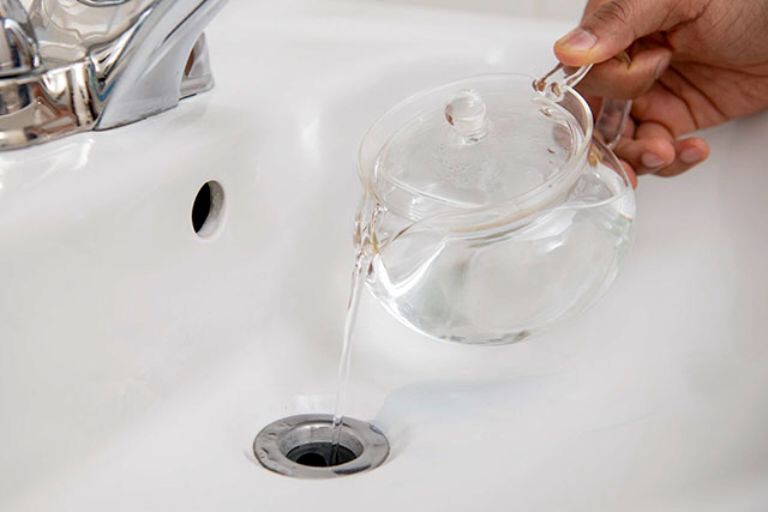
Why Do Drains Become Clogged?
Household drains gradually collect materials that flow through them every day.
In the kitchen, common sources of buildup include:
-
Grease
-
Cooking oils
-
Butter
-
Food particles
-
Soap residue
Bathroom drains often collect:
-
Hair
-
Soap scum
-
Toothpaste residue
-
Skin cells
-
Cosmetic products
Over time, these materials can stick to the inside of pipes, narrowing the passage and slowing water flow.
How Can Hot Water Help?
Hot water may help loosen or soften certain substances that accumulate inside drains.
For example, it can:
-
Melt soft grease before it hardens.
-
Dissolve some soap residue.
-
Help rinse away small amounts of food particles.
-
Flush minor buildup farther through the plumbing system.
Because of these effects, running hot tap water after washing dishes may reduce the amount of grease left behind inside kitchen pipes.
However, hot water alone cannot completely clean pipes or prevent every clog.
Hot Water Works Best for Fresh Grease
Grease is one of the leading causes of kitchen drain problems.
When warm grease is poured down the sink, it may appear to flow away easily.
As it cools, however, it can harden inside pipes.
Running hot water immediately afterward—especially with dish soap—may help keep small amounts of grease moving through the plumbing before they solidify.
Even so, the best practice is to avoid pouring grease down the drain in the first place.
Instead:
-
Let grease cool.
-
Collect it in a container.
-
Dispose of it according to local waste guidelines.
Can Hot Water Remove Hair Clogs?
Hair behaves differently from grease.
Hot water generally does not dissolve hair.
Hair often becomes tangled with soap scum and other debris, creating dense clogs that require mechanical removal.
For hair blockages, effective solutions may include:
-
Drain snakes
-
Hair-removal tools
-
Professional plumbing assistance
Does Hot Water Prevent Bad Odors?
Sometimes unpleasant drain odors result from food residue or bacteria growing on organic material inside pipes.
Flushing a drain with hot water may help remove some surface debris that contributes to odors.
However, if odors persist, there may be another cause, such as:
-
Food trapped in the drain
-
Biofilm buildup
-
Sewer gas problems
-
Plumbing vent issues
Persistent odors should be investigated rather than simply masked.
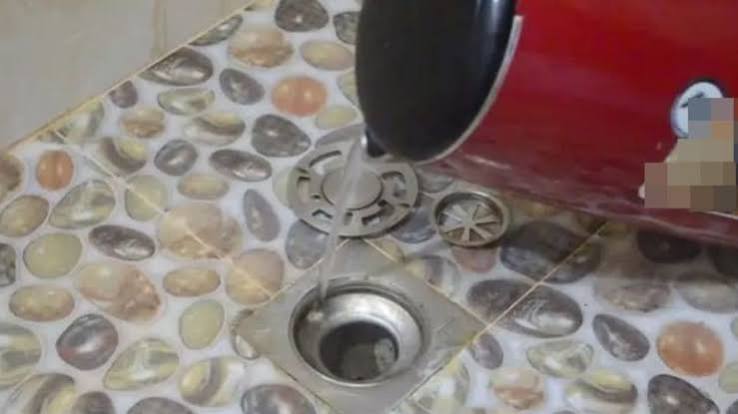
Is Boiling Water Better Than Hot Tap Water?
Many online tips recommend pouring boiling water directly into drains.
This is not always advisable.
While boiling water may help loosen certain materials, it may also pose risks depending on your plumbing system.
Extremely hot water may not be appropriate for:
-
Some PVC pipes
-
Certain plastic fittings
-
Older plumbing systems with weakened joints
In many homes, hot tap water is a safer option for routine maintenance.
If you are unsure about your plumbing materials, consult the manufacturer's guidance or a qualified plumber.
Can Hot Water Unclog a Completely Blocked Drain?
Not usually.
If water no longer drains or drains very slowly, the blockage may consist of:
-
Hair
-
Thick grease deposits
-
Mineral buildup
-
Foreign objects
-
Tree roots (in outdoor plumbing)
These problems typically require more than hot water.
Mechanical methods or professional plumbing services are often needed.
Should You Use Dish Soap with Hot Water?
Many plumbers recommend using a small amount of dish soap followed by hot water when cleaning minor grease buildup in kitchen drains.
Dish soap helps break up fats and oils, while hot water helps carry them through the pipes.
This method is intended for routine maintenance, not for severe clogs.
What About Baking Soda and Vinegar?
A popular home remedy involves pouring baking soda followed by vinegar into the drain.
The bubbling reaction is visually impressive, but research suggests it has limited ability to clear significant clogs.
It may help loosen minor surface residue in some situations, but it is unlikely to remove dense blockages caused by hair, hardened grease, or solid objects.
Additional Ways to Keep Drains Clean
Preventing buildup is often easier than clearing a clog.
Good drain habits include:
-
Wipe grease from pans before washing them.
-
Use drain strainers to catch food scraps and hair.
-
Avoid pouring coffee grounds into the sink.
-
Dispose of cooking oil properly.
-
Flush drains periodically with hot tap water if appropriate for your plumbing.
-
Clean sink strainers regularly.
These simple habits can reduce the likelihood of future plumbing problems.
Common Myths About Hot Water and Drains
Myth: Hot water dissolves every clog.
Fact: Hot water may soften grease and soap residue but does not dissolve hair, plastic, or other solid obstructions.
Myth: Boiling water is always safe for household plumbing.
Fact: Extremely hot water may not be suitable for some plumbing materials or older pipe systems.
Myth: Pouring hot water weekly guarantees clog-free drains.
Fact: Routine maintenance may reduce some buildup, but no method can completely prevent clogs.
Myth: Hot water disinfects household drains.
Fact: While heat may reduce some microorganisms, hot tap water is not considered a reliable method for disinfecting drains.
Myth: Every slow drain can be fixed at home.
Fact: Persistent or recurring slow drains may indicate a more significant plumbing issue that requires professional evaluation.
When Should You Call a Plumber?
Consider contacting a plumbing professional if you notice:
-
Water backing up into sinks or tubs
-
Frequent clogs despite regular maintenance
-
Multiple drains clogging at the same time
-
Sewage odors
-
Gurgling sounds from pipes
-
Standing water that does not drain
These symptoms may indicate problems beyond ordinary household buildup.
Tips for Healthy Household Plumbing
To keep your plumbing functioning well:
-
Never pour large amounts of grease or cooking oil down the sink.
-
Use sink strainers in kitchens and bathrooms.
-
Run hot tap water after washing greasy dishes when appropriate.
-
Clean drains regularly before major buildup develops.
-
Follow manufacturer recommendations for your plumbing system.
-
Schedule professional maintenance if you experience recurring issues.
Small preventive habits often reduce the need for costly repairs.

The Bottom Line
Hot water can be a useful part of routine household drain maintenance, particularly for helping flush away small amounts of fresh grease, soap residue, and light debris before they accumulate. Used appropriately and with an understanding of your home's plumbing materials - it may help keep drains flowing more smoothly.
However, hot water is not a solution for every plumbing problem. It will not dissolve hair, remove large blockages, or repair damaged pipes, and boiling water may not be suitable for some plumbing systems. The most effective approach combines preventive habits, proper disposal of grease and food waste, and prompt attention to recurring drainage problems. By understanding both the benefits and the limitations of hot water, you can make informed choices that help protect your home's plumbing over the long term.