Aloe vera has been used for thousands of years in traditional medicine and skin care. Recognized by its thick, fleshy leaves filled with a clear gel, this succulent plant has become a staple in many homes around the world.
Today, aloe vera can be found in a wide variety of products, including moisturizers, sunscreens, shampoos, cosmetics, and even certain beverages. While many people praise its versatility, it's important to understand that not every claimed benefit is supported by strong scientific evidence.
Research suggests that aloe vera may offer benefits for some skin conditions and wound care, but its effectiveness varies depending on how it is used and the individual's health.
Here are 10 common uses of aloe vera, along with what medical experts say you should know before trying them.
What Is Aloe Vera?
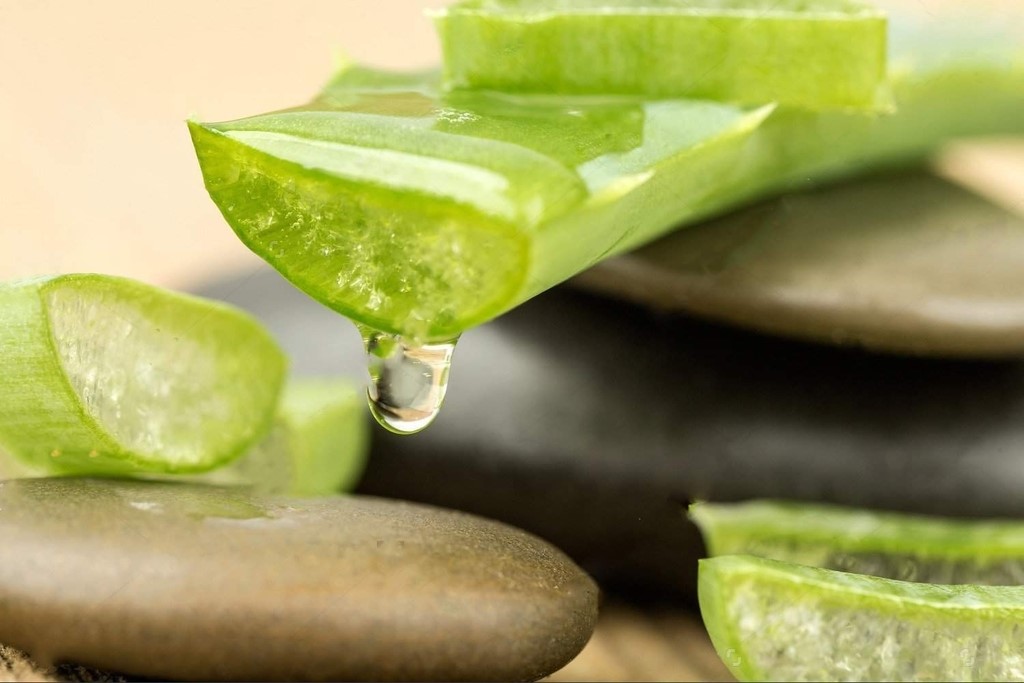
Aloe vera (Aloe barbadensis Miller) is a succulent plant that stores water inside its thick leaves.
The leaf contains two main components:
-
Clear gel, which is commonly applied to the skin.
-
Yellow latex, found just beneath the leaf's outer skin. Aloe latex has a strong laxative effect and is generally not recommended for routine oral use because of potential safety concerns.
Most commercial aloe vera skin products are made from the clear inner gel.
1. Soothing Minor Sunburns
One of the best-known uses of aloe vera is helping soothe mild sunburn.
The cooling gel may help:
-
Relieve discomfort.
-
Provide moisture to dry skin.
-
Support the skin's natural healing process.
Several studies suggest that aloe vera gel may modestly shorten healing time for minor first-degree burns, although it is not a substitute for medical care in more severe burns.
Remember
Seek medical attention if a burn:
-
Covers a large area.
-
Causes extensive blistering.
-
Involves the face, hands, feet, or genitals.
-
Shows signs of infection.
2. Moisturizing Dry Skin
Because aloe vera contains a high percentage of water, it can act as a lightweight moisturizer.
Many people like it because it:
-
Absorbs quickly.
-
Leaves little greasy residue.
-
Helps reduce temporary skin dryness.
However, individuals with very dry or eczema-prone skin may still need richer moisturizers recommended by a healthcare professional.
3. Helping Soothe Minor Skin Irritation
Some people use aloe vera to calm irritated skin after:
-
Shaving.
-
Waxing.
-
Mild insect bites.
-
Minor skin redness.
Its cooling effect may temporarily improve comfort.
However, persistent rashes, severe allergic reactions, or infected skin should be evaluated by a healthcare provider.

4. Supporting Wound Healing
Research suggests that aloe vera gel may help certain small, superficial wounds heal.
It may support healing by:
-
Keeping the wound moist.
-
Supporting new skin cell growth.
-
Reducing excessive drying.
However, aloe vera should not replace proper wound care for:
-
Deep cuts.
-
Surgical wounds.
-
Animal bites.
-
Serious burns.
Always follow your healthcare provider's recommendations for wound management.
5. Caring for Acne-Prone Skin
Aloe vera is often included in products designed for oily or acne-prone skin.
Some research suggests it may:
-
Help reduce skin irritation caused by acne treatments.
-
Improve hydration.
-
Support the skin barrier.
Aloe vera alone is unlikely to clear moderate or severe acne, but it may complement medically recommended treatments.
6. Moisturizing Hair and Scalp
Some people apply aloe vera gel to the scalp before shampooing.
Potential benefits include:
-
Temporary scalp hydration.
-
Reduced dryness.
-
Softer hair texture.
Although aloe vera is widely used in hair care products, evidence supporting significant hair growth benefits remains limited.
7. Helping With Minor Mouth Irritation
Certain aloe vera mouth gels have been studied for:
-
Minor mouth sores.
-
Gum irritation.
-
Oral discomfort.
Some studies suggest aloe vera may improve comfort in certain situations.
However, persistent mouth ulcers lasting longer than two weeks should be evaluated by a dentist or healthcare professional.
8. Supporting Digestive Health—With Caution
Some people drink aloe vera juice hoping to improve digestion.
Research in this area is mixed.
While purified aloe vera beverages may be tolerated by some individuals, aloe latex has a strong laxative effect and can cause:
-
Abdominal cramping.
-
Diarrhea.
-
Dehydration.
-
Electrolyte imbalances.
For this reason, healthcare professionals generally advise against using aloe latex as a regular laxative.
9. Cooling the Skin After Exercise or Heat Exposure
After spending time outdoors or exercising, some people enjoy applying chilled aloe vera gel.
The cooling sensation may:
-
Improve comfort.
-
Reduce the feeling of heat.
-
Refresh the skin.
This effect is largely related to evaporation and hydration rather than any unique medicinal property.
10. Supporting Everyday Skin Care
Many people include aloe vera in their daily skincare routine because it is commonly found in:
-
Facial moisturizers.
-
Body lotions.
-
After-sun products.
-
Face masks.
-
Hand creams.
For many individuals, aloe vera-based products are well tolerated when used as directed.
However, people with sensitive skin should test a small amount first to check for irritation.
Is Aloe Vera Safe?
For most healthy adults, topical aloe vera gel is considered safe when used appropriately.
However, allergic reactions can occur.
Signs of an allergic reaction include:
-
Redness.
-
Itching.
-
Burning.
-
Rash.
-
Swelling.
Discontinue use if irritation develops.
Can You Eat Aloe Vera?
Only specially prepared food-grade aloe vera products are intended for consumption.
Raw aloe leaves contain latex, which may cause digestive side effects.
The U.S. Food and Drug Administration has previously expressed concerns about the safety of aloe latex in over-the-counter stimulant laxative products because of potential health risks.
Do not consume homemade aloe preparations unless you know they have been properly processed.
Common Myths About Aloe Vera
Myth 1: Aloe Vera Heals Every Skin Condition
False.
Aloe vera may help soothe certain minor skin problems, but it is not a cure for eczema, psoriasis, severe burns, or skin infections.
Myth 2: Drinking Aloe Vera Detoxifies the Body
There is no strong scientific evidence that aloe vera drinks "detox" the body.
Your liver and kidneys already perform the body's natural detoxification processes.
Myth 3: Aloe Vera Makes Hair Grow Faster
Current research does not provide strong evidence that aloe vera alone significantly increases hair growth.
It may improve scalp moisture, which can contribute to healthier-looking hair.
Myth 4: Natural Means Completely Safe
False.
Natural products can still cause:
-
Allergic reactions.
-
Medication interactions.
-
Side effects.
Always use herbal products carefully.
Tips for Using Aloe Vera Safely
Medical experts recommend:
-
Perform a patch test before first use.
-
Use products from reputable manufacturers.
-
Avoid applying aloe vera to deep or infected wounds unless instructed by a healthcare professional.
-
Keep aloe latex away from children.
-
Consult your healthcare provider before taking aloe vera supplements, especially if you are pregnant, breastfeeding, or taking prescription medications.
When Should You See a Healthcare Professional?
Consult a healthcare provider if:
-
A burn is severe or covers a large area.
-
A wound becomes red, swollen, painful, or drains pus.
-
Skin irritation worsens after using aloe vera.
-
You develop persistent digestive symptoms after consuming aloe products.
-
Mouth sores last longer than two weeks.
When Is It an Emergency?
Seek immediate medical care if you experience:
-
Difficulty breathing after using aloe vera.
-
Swelling of the face, lips, tongue, or throat.
-
Severe allergic reactions.
-
Extensive burns.
-
Heavy bleeding from a wound.
These situations require urgent medical evaluation.

Final Thoughts
Aloe vera has earned its reputation as one of the world's most popular natural remedies, particularly for minor skin care and soothing mild irritation. Scientific research supports some of its traditional uses, especially for moisturizing the skin and helping relieve discomfort from mild sunburns or superficial skin irritation. However, many other claims such as detoxifying the body, promoting rapid hair growth, or treating chronic diseases - remain unsupported or require more high-quality research.
If you choose to use aloe vera, it's best to view it as a supportive part of your skin care routine rather than a cure-all. Use topical products as directed, choose reputable brands, and remember that not all aloe products are the same. In particular, products containing aloe latex should be used with caution because they can cause significant digestive side effects and are generally not recommended for routine use.
As with any natural product, pay attention to how your body responds. If symptoms persist, worsen, or involve significant injury or illness, seek advice from a qualified healthcare professional. Combining evidence-based medical care with informed use of natural products is often the safest approach to protecting your health.