These 9 Itching Symptoms Might Reveal More About Your Health Than You Think
🛑 Itching in These Areas Could Be Your Body Asking for Attention—9 Signs to Know 👇
Health 18/07/2026 18:07
Known for its striking crimson calyces and pleasantly tart flavor, roselle (Hibiscus sabdariffa) has been enjoyed for centuries in traditional cuisines and herbal beverages around the world. Whether brewed into a refreshing tea, made into jams and syrups, or incorporated into healthy recipes, roselle has gained attention for its rich nutritional profile and abundance of beneficial plant compounds.
In recent years, scientific research has explored the potential health benefits of roselle, particularly its antioxidant content and its possible role in supporting heart and metabolic health. While the findings are promising, experts emphasize that roselle should be viewed as part of a balanced diet—not as a cure or replacement for medical treatment.
Here's what current research suggests about this vibrant herbal plant.
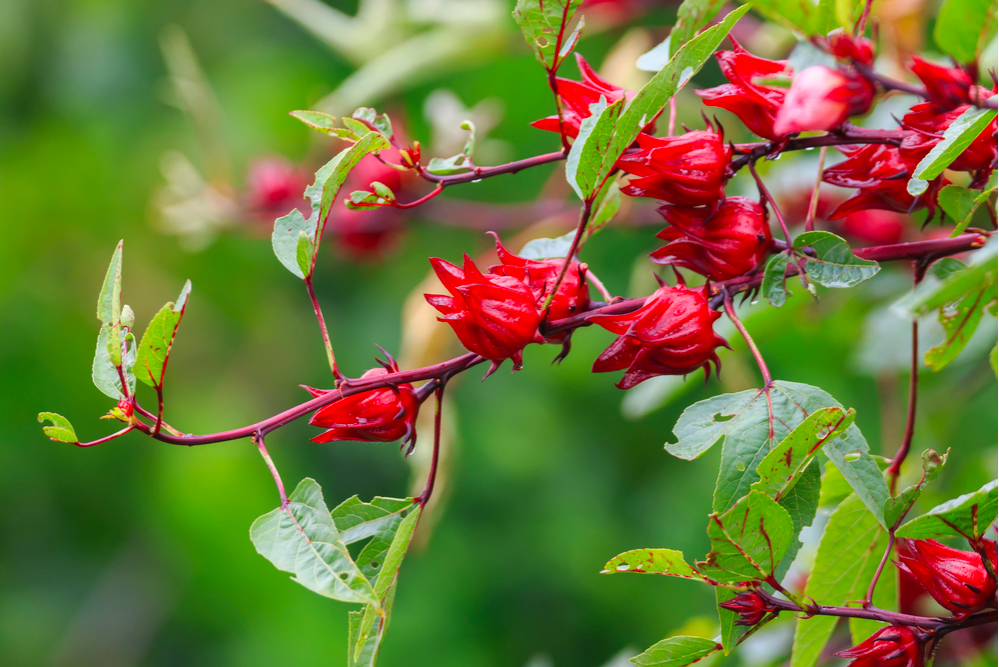
Roselle is a species of hibiscus native to tropical and subtropical regions. The bright red fleshy part commonly used in teas and foods is the calyx, which surrounds the flower after it blooms.
Roselle is popular in many countries under different names, including:
Roselle
Hibiscus
Hibiscus sabdariffa
Florida cranberry
Red sorrel (in some Caribbean regions)
Its tart, cranberry-like flavor makes it a popular ingredient in herbal teas and refreshing beverages.
One of roselle's greatest strengths is its impressive concentration of antioxidants.
These include:
Anthocyanins
Polyphenols
Flavonoids
Phenolic acids
Vitamin C (present in fresh roselle, though some may be reduced during processing)
Antioxidants help protect cells from oxidative stress, a natural process that can contribute to aging and the development of chronic diseases over time.
A diet rich in antioxidant-containing fruits, vegetables, herbs, and whole foods is associated with better overall health.
Heart disease remains one of the leading causes of death worldwide, making heart-healthy dietary choices especially important.
Roselle has been studied for its potential effects on cardiovascular health.
Some research suggests that hibiscus beverages may help support:
Healthy blood pressure already within or near the normal range
Healthy cholesterol levels in some individuals
Overall vascular function
However, study results have been mixed, and roselle should not replace prescribed medications or medical advice.
The best approach to heart health includes:
A balanced diet
Regular physical activity
Maintaining a healthy weight
Avoiding smoking
Managing stress
Following your healthcare provider's recommendations
One of the most researched areas involving roselle is blood pressure.
Several clinical studies have found that regularly drinking hibiscus tea may contribute to modest reductions in blood pressure in some adults, particularly those with mildly elevated readings.
Scientists believe this effect may be related to:
Antioxidant compounds
Improved blood vessel function
Mild diuretic properties
Even so, hibiscus tea is not a substitute for blood pressure medication.
People taking medications for hypertension should speak with their healthcare provider before consuming large amounts of hibiscus products, as interactions may occur.
Some studies suggest roselle may have a beneficial effect on blood lipids.
Research has explored possible improvements in:
LDL ("bad") cholesterol
Total cholesterol
Triglycerides
The evidence is encouraging but inconsistent, and more high-quality studies are needed before firm conclusions can be made.
Healthy cholesterol management still depends primarily on:
Balanced nutrition
Regular exercise
Weight management
Medical treatment when appropriate
Roselle has also attracted attention for its possible role in supporting healthy glucose metabolism.
Laboratory and early human studies suggest certain plant compounds in roselle may influence:
Insulin sensitivity
Carbohydrate metabolism
Oxidative stress related to glucose regulation
However, current evidence is not strong enough to recommend roselle as a treatment for diabetes.
Individuals with diabetes should continue following their prescribed treatment plans and monitor blood sugar as advised.
Unlike coffee or black tea, traditional roselle tea is naturally caffeine-free.
This makes it an excellent beverage option for people who:
Prefer to limit caffeine
Enjoy herbal teas in the evening
Want flavorful hydration
Choose unsweetened preparations whenever possible to avoid excess added sugar.
Roselle tea has long been used in traditional practices to support digestion.
Although scientific evidence is still limited, many people enjoy roselle after meals because of its refreshing flavor.
Combined with a diet rich in fiber, adequate hydration, and regular physical activity, herbal teas can be part of healthy digestive habits.
Inflammation is a natural immune response, but long-term chronic inflammation is associated with many diseases.
Laboratory studies suggest roselle contains compounds that exhibit anti-inflammatory activity.
These findings are promising, but much of the research has been conducted in laboratory or animal models.
More human studies are needed to understand how these effects translate into everyday health.
Plain roselle tea contains very few calories when prepared without added sugar.
This makes it a refreshing alternative to:
Sugary soft drinks
Sweetened fruit beverages
Energy drinks
Replacing sugar-sweetened beverages with unsweetened herbal tea can support overall healthy eating habits.
Roselle is much more than tea.
It can be used to prepare:
Herbal tea
Cold infusions
Fruit preserves
Syrups
Smoothies
Salads
Sauces
Desserts
Its naturally tart flavor pairs well with citrus fruits, berries, ginger, cinnamon, and mint.
Although nutrient content varies depending on preparation, roselle contains a variety of beneficial compounds, including:
Vitamin C
Anthocyanins
Polyphenols
Flavonoids
Organic acids
Small amounts of minerals such as calcium, magnesium, and potassium
Most of roselle's potential health benefits are attributed to its plant compounds rather than any single nutrient.
Some popular ways to include roselle in your diet include:
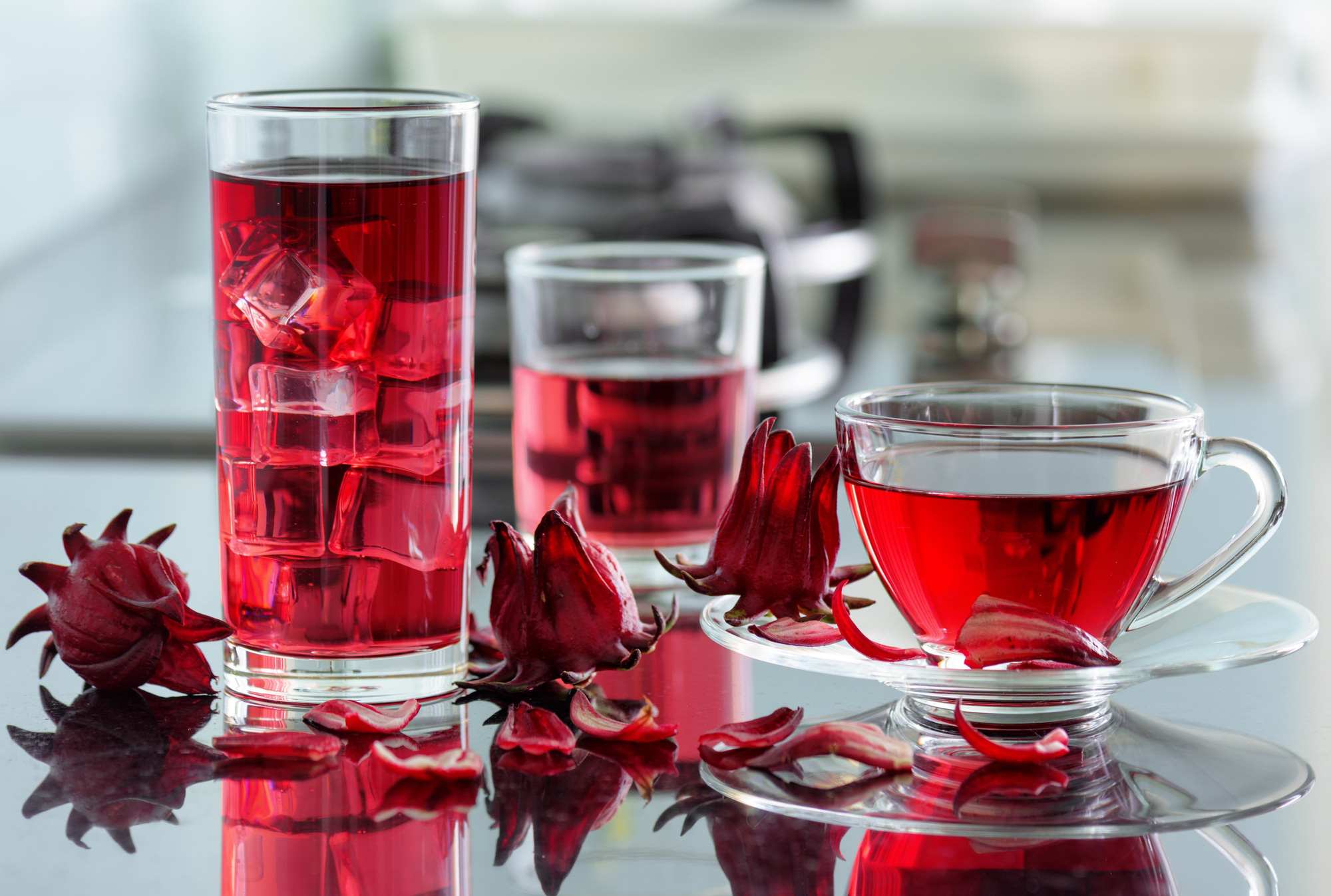
Brew hot hibiscus tea
Serve chilled over ice with lemon
Add dried roselle to herbal tea blends
Make homemade fruit-infused water
Use cooked roselle in jams or chutneys
Blend into smoothies with berries and citrus fruits
To maximize health benefits, choose preparations with little or no added sugar.
Roselle is generally considered safe for most healthy adults when consumed in moderation as a food or beverage.
However, some people should consult a healthcare professional before consuming it regularly.
These include:
People taking medication for high blood pressure, as hibiscus may enhance blood pressure-lowering effects.
Individuals taking certain diabetes medications, since roselle may influence blood glucose levels.
Pregnant or breastfeeding women, because evidence regarding concentrated preparations is limited.
People with known allergies to hibiscus or related plants.
If you have a chronic medical condition or take prescription medications, ask your healthcare provider whether regular hibiscus consumption is appropriate for you.
Fact: Some studies suggest hibiscus tea may modestly support healthy blood pressure in certain individuals, but it is not a cure or a replacement for prescribed treatment.
Fact: Your liver and kidneys naturally remove waste products from the body. No scientific evidence shows that roselle tea "detoxifies" the body.
Fact: More is not always better. Excessive intake may not provide additional benefits and could interact with certain medications.
Fact: While roselle contains beneficial antioxidants, no single food or beverage can prevent every disease. Long-term health depends on an overall healthy lifestyle.
Adding roselle to your routine can be one enjoyable part of a healthy lifestyle, but it should be combined with other evidence-based habits.
Aim to:
Eat a variety of fruits and vegetables every day.
Choose whole grains and lean protein sources.
Stay physically active.
Drink enough water.
Get adequate sleep.
Avoid smoking.
Limit alcohol consumption.
Keep up with regular health checkups.
These habits have a much greater impact on long-term health than any single food or herbal drink.
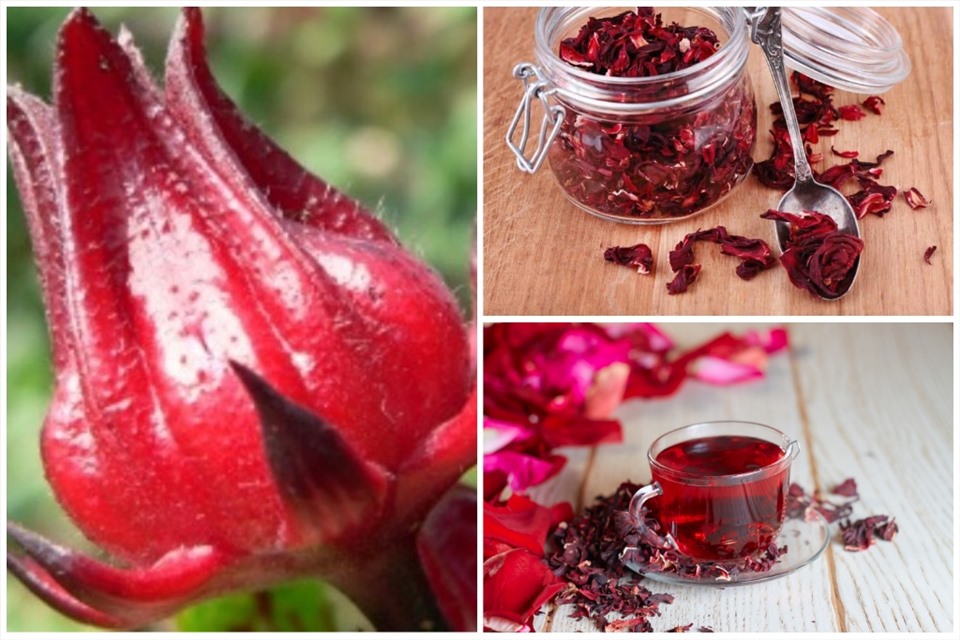
Roselle (Hibiscus sabdariffa) is a vibrant herbal plant valued for its refreshing flavor and rich supply of antioxidants, including anthocyanins and polyphenols. Current research suggests that roselle may support heart health, healthy blood pressure, cholesterol balance, hydration, and overall wellness when enjoyed as part of a balanced diet. However, more high-quality human studies are needed to fully understand the extent of these benefits.
For most healthy adults, unsweetened roselle tea or foods made from roselle can be a nutritious addition to everyday meals. As with any herbal product, moderation is key, and people taking medications or managing chronic health conditions should consult a healthcare professional before making it a regular part of their routine.
🛑 Itching in These Areas Could Be Your Body Asking for Attention—9 Signs to Know 👇
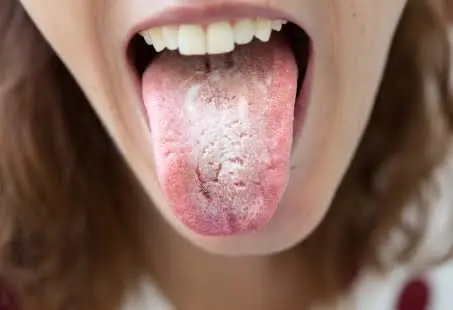
👅 A White Tongue May Be More Than Just a Cosmetic Concern
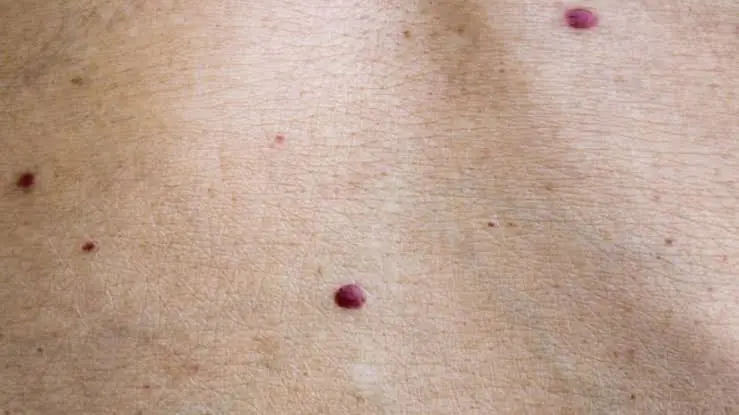
Tiny Red Dots on Your Body? Don't Ignore These Possible Causes
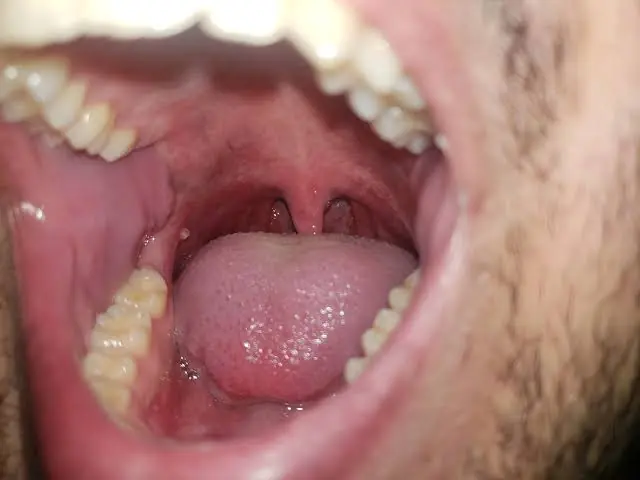
😨 Your Mouth Could Be Sending Early Health Warnings—Here's What to Look For


How Cloves May Support Your Health: Benefits and Precautions

7 Unusual Morning Symptoms That Shouldn't Be Overlooked








3 Nighttime Symptoms That Could Be Worth Discussing With Your Doctor

Certain Changes in Your Hands Could Be Linked to Underlying Lung Conditions
🛑 Itching in These Areas Could Be Your Body Asking for Attention—9 Signs to Know 👇
👅 A White Tongue May Be More Than Just a Cosmetic Concern
Tiny Red Dots on Your Body? Don't Ignore These Possible Causes
😨 Your Mouth Could Be Sending Early Health Warnings—Here's What to Look For
How Cloves May Support Your Health: Benefits and Precautions
7 Unusual Morning Symptoms That Shouldn't Be Overlooked
10 Aloe Vera Uses That May Surprise You