
These Silent Kidney Warning Signs Are Easier to Miss Than You Think
🚨 Your Kidneys Work Hard Every Day—These Signs May Suggest They Need Extra Care
Health 18/07/2026 18:21

Sleep talking, medically known as somniloquy, is a common sleep behavior that involves speaking, mumbling, laughing, or making sounds while asleep. It can occur during both REM and non-REM sleep and is usually harmless. While occasional sleep talking is common, frequent episodes may sometimes be linked to poor sleep quality or an underlying sleep disorder.
Here are 10 possible reasons why people talk in their sleep.
Not getting enough sleep is one of the most common triggers for sleep talking.
When you're sleep-deprived, your brain may have difficulty transitioning smoothly between sleep stages, making unusual sleep behaviors more likely.
Adults should aim for 7–9 hours of sleep each night.
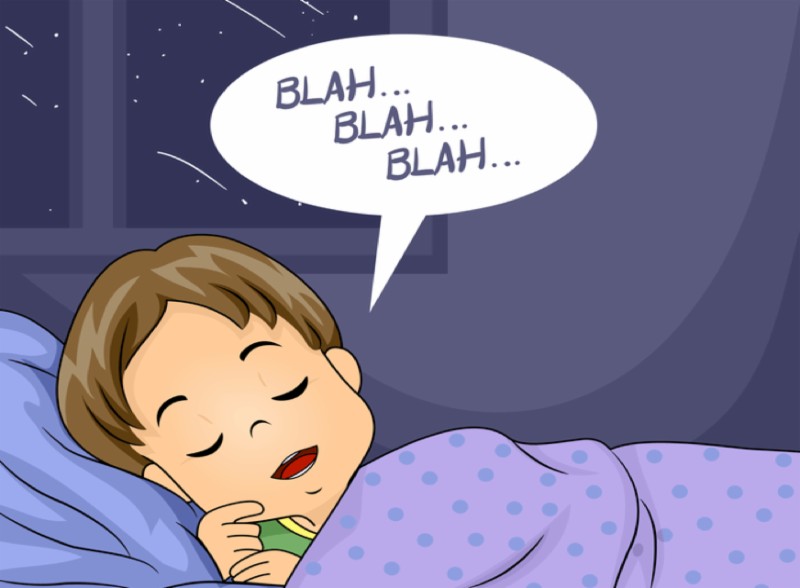
Emotional stress can affect both sleep quality and brain activity during sleep.
Periods of:
Work-related stress
Anxiety
Emotional distress
Major life changes
may increase the likelihood of sleep talking.
Practicing stress-management techniques may help reduce episodes.
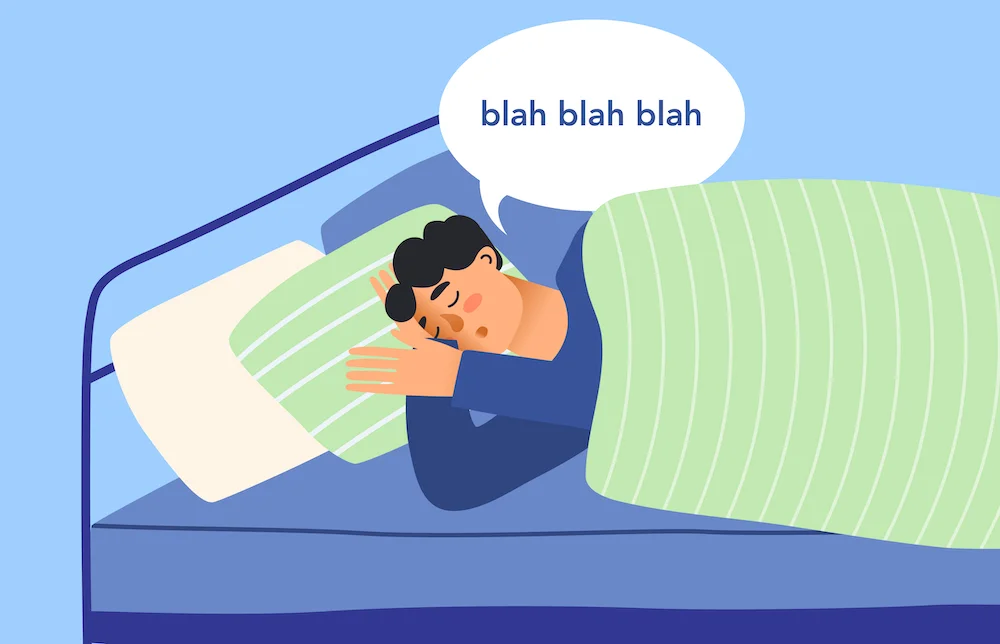
Children and adults may talk in their sleep more often when they have a fever.
Illness can temporarily disrupt normal sleep patterns and increase nighttime behaviors such as:
Sleep talking
Restless sleep
Vivid dreams
These episodes usually resolve as the illness improves.
Some medications that affect the brain or sleep cycle may increase the chance of sleep talking.
Examples may include certain:
Antidepressants
Sedatives
Sleep medications
Stimulants
Never stop taking a prescribed medication without consulting your healthcare provider.
Sleep talking often runs in families.
People with close relatives who experience sleep talking, sleepwalking, or other parasomnias may be more likely to develop similar sleep behaviors.
Frequent sleep talking may occur alongside other sleep disorders, including:
Sleepwalking
Night terrors
REM sleep behavior disorder
Obstructive sleep apnea
Treating the underlying sleep disorder may reduce sleep talking.
Alcohol and certain recreational drugs can disrupt normal sleep architecture.
This may lead to:
Fragmented sleep
Increased nighttime awakenings
More episodes of sleep talking
Limiting alcohol, especially close to bedtime, may improve sleep quality.
Frequently changing your bedtime or staying up very late can interfere with your body's internal clock.
Shift work, jet lag, or inconsistent sleep routines may increase the likelihood of sleep talking.
Maintaining a regular sleep schedule may help.
People sometimes speak during vivid dreams or while transitioning between different stages of sleep.
Sleep talking may involve:
Single words
Short phrases
Full conversations
Laughing or shouting
Most people do not remember these episodes the next morning.
Although uncommon, frequent or sudden sleep talking—especially when accompanied by unusual movements or confusion—may occasionally be associated with neurological or mental health conditions.
Medical evaluation is particularly important if symptoms begin suddenly in adulthood or are accompanied by:
Violent movements
Sleepwalking
Breathing pauses
Frequent nightmares
Daytime sleepiness
In most cases, sleep talking is harmless and does not require treatment.
However, it may disturb the sleep of a bed partner or be a sign of another sleep disorder if it occurs frequently or is associated with other symptoms.
You may be able to reduce episodes by:
Getting enough sleep every night.
Managing stress.
Limiting alcohol before bed.
Keeping a consistent sleep schedule.
Creating a quiet, comfortable sleep environment.
Treating any underlying sleep disorders.
These healthy sleep habits can improve overall sleep quality.
Consult a healthcare professional if sleep talking:
Begins suddenly in adulthood.
Occurs several nights a week.
Is accompanied by violent movements or injuries.
Happens with loud snoring or breathing pauses.
Causes significant daytime fatigue.
Is associated with sleepwalking or night terrors.
A sleep specialist may recommend further evaluation, including a sleep study if needed.
Sleep talking is a common and usually harmless sleep behavior that can be triggered by sleep deprivation, stress, fever, medications, irregular sleep schedules, or other sleep disorders. Most episodes do not require treatment and often improve with good sleep habits.
If sleep talking becomes frequent, disruptive, or is accompanied by unusual nighttime behaviors, consult a healthcare professional to rule out an underlying sleep disorder or medical condition.
🚨 Your Kidneys Work Hard Every Day—These Signs May Suggest They Need Extra Care

🛑 Itching in These Areas Could Be Your Body Asking for Attention—9 Signs to Know 👇

👅 A White Tongue May Be More Than Just a Cosmetic Concern

Tiny Red Dots on Your Body? Don't Ignore These Possible Causes
😨 Your Mouth Could Be Sending Early Health Warnings—Here's What to Look For


Roselle and Your Health: What Current Research Suggests

How Cloves May Support Your Health: Benefits and Precautions
7 Unusual Morning Symptoms That Shouldn't Be Overlooked










3 Nighttime Symptoms That Could Be Worth Discussing With Your Doctor
🚨 Your Kidneys Work Hard Every Day—These Signs May Suggest They Need Extra Care
🛑 Itching in These Areas Could Be Your Body Asking for Attention—9 Signs to Know 👇
👅 A White Tongue May Be More Than Just a Cosmetic Concern
Tiny Red Dots on Your Body? Don't Ignore These Possible Causes
😨 Your Mouth Could Be Sending Early Health Warnings—Here's What to Look For
Roselle and Your Health: What Current Research Suggests


How Cloves May Support Your Health: Benefits and Precautions
7 Unusual Morning Symptoms That Shouldn't Be Overlooked

10 Aloe Vera Uses That May Surprise You