Why Baggage Handlers Say You Should Never Tie a Ribbon to Your Suitcase?
Why You Should Think Twice Before Tying a Ribbon to Your Suitcase?
⏱️ 1 min read 25/08/2026 11:05
Potatoes are one of the world's most popular foods, but when they begin to sprout, many people wonder whether they're still safe to eat. While small sprouts don't instantly make a potato poisonous, sprouting is a sign that the potato is producing higher levels of natural toxins that can be harmful if consumed in large amounts.
Here's why sprouted potatoes become potentially toxic and how to handle them safely.
Fresh potatoes naturally contain compounds called glycoalkaloids, primarily:
Solanine
Chaconine
These natural chemicals help protect the potato from insects, fungi, and other pests.
In healthy potatoes, glycoalkaloid levels are usually low enough to be considered safe for consumption.
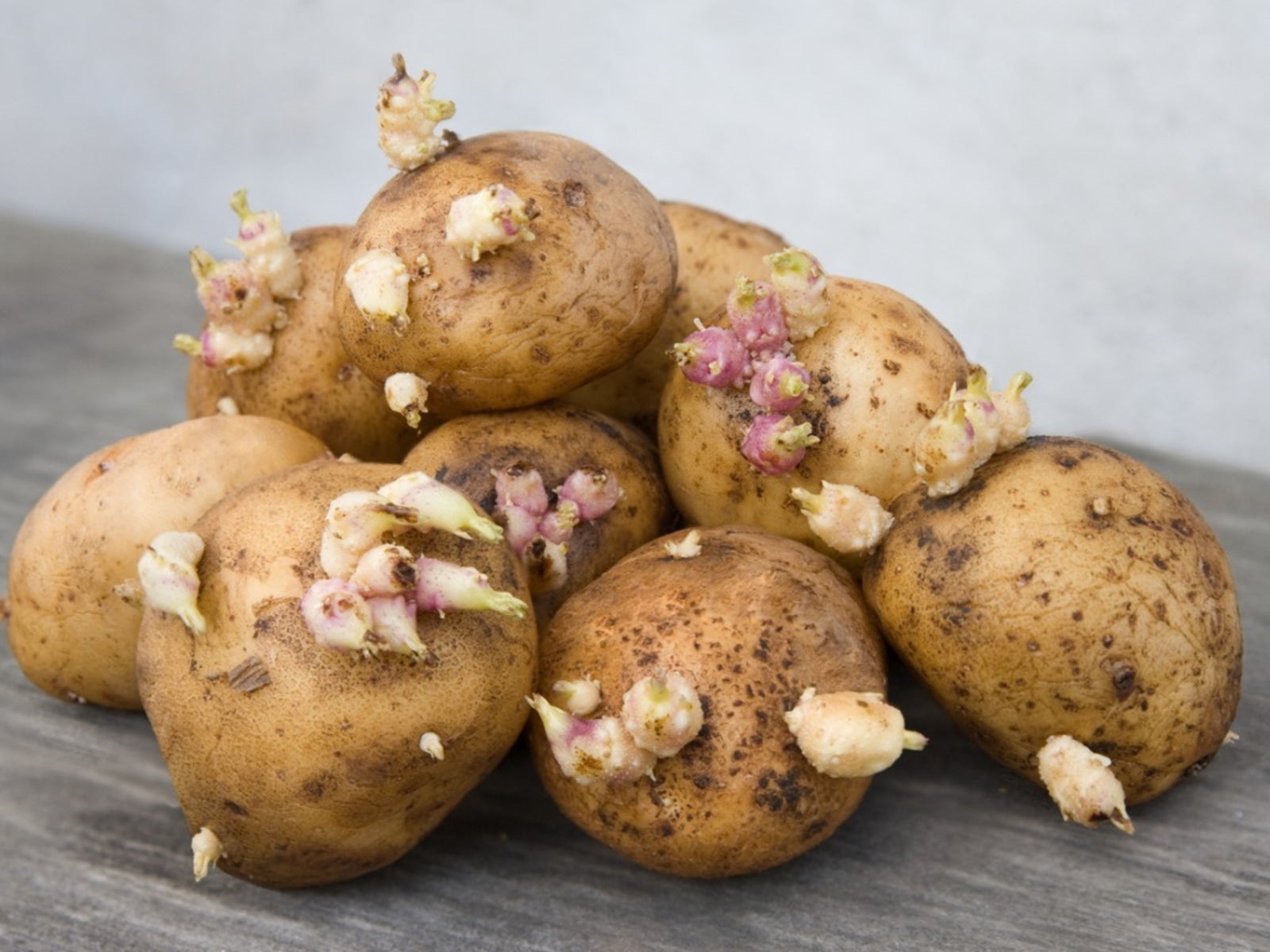
When a potato begins to sprout, it starts using stored nutrients to grow new shoots.
During this process, the concentration of glycoalkaloids—especially solanine—increases, particularly around:
The sprouts.
The eyes of the potato.
The skin.
Green areas exposed to light.
As toxin levels rise, the potato becomes less safe to eat.
Exposure to sunlight or bright indoor light causes potatoes to produce chlorophyll, turning parts of the potato green.
Although chlorophyll itself is harmless, green potatoes often contain increased levels of glycoalkaloids.
For this reason, a green potato is a warning sign that toxin levels may also be elevated.

Unlike many bacteria, solanine is not easily destroyed by cooking.
Boiling, baking, frying, or microwaving will not completely eliminate the toxin.
This means cooking a heavily sprouted or green potato does not necessarily make it safe to eat.
Consuming potatoes with high levels of glycoalkaloids may lead to food poisoning.
Possible symptoms include:
Nausea.
Vomiting.
Stomach pain.
Diarrhea.
Headache.
Dizziness.
Symptoms usually appear within several hours after eating contaminated potatoes.
Although uncommon, consuming very high amounts of glycoalkaloids may affect the nervous system.
Serious symptoms can include:
Confusion.
Weakness.
Low blood pressure.
Difficulty breathing.
Seizures in extremely rare cases.
Children are generally more vulnerable because of their smaller body size.
If the potato is still:
Firm.
Not green.
Free of mold.
Only has tiny sprouts,
it may be possible to remove the sprouts, eyes, and a generous portion of the surrounding flesh before cooking.
However, if the potato is heavily sprouted, green, shriveled, soft, or has a bitter taste, it is safest to discard it.
A bitter or burning taste is often a sign of elevated glycoalkaloid levels.
If a potato tastes unusually bitter, stop eating it immediately.
To reduce sprouting, store potatoes:
In a cool place (about 45–50°F or 7–10°C).
In a dark environment.
In a dry, well-ventilated area.
Away from direct sunlight.
Avoid storing potatoes in warm kitchens or near windows, where they sprout more quickly.
Potatoes and onions release gases that can accelerate each other's spoilage.
Keeping them in separate containers may help extend their shelf life.
Discard potatoes if they are:
Heavily sprouted.
Green over large areas.
Soft or wrinkled.
Moldy.
Giving off an unpleasant odor.
Bitter when tasted.
When in doubt, it's safer to replace the potato than risk food poisoning.
If the potato is still firm and has only a few small sprouts, removing:
The sprouts.
The eyes.
Any green portions.
A thick layer around the affected area
may reduce glycoalkaloid exposure.
However, this is not recommended if the potato is extensively sprouted or green, as toxins may be distributed more widely throughout the tuber.
Sprouted potatoes become potentially toxic because they produce higher levels of natural compounds called glycoalkaloids, especially solanine and chaconine. These toxins help protect the growing potato but can cause nausea, vomiting, diarrhea, and neurological symptoms if consumed in excessive amounts.
A firm potato with only tiny sprouts may sometimes be salvaged by removing the sprouts and any green areas. However, potatoes that are heavily sprouted, green, soft, moldy, or bitter should be discarded to avoid the risk of food poisoning.
Why You Should Think Twice Before Tying a Ribbon to Your Suitcase?
Had a Dream About a Loved One Who Passed Away? Here’s What It Could Mean

Scientists have finally determined when Elon Musk’s warning that “eventually, all life on Earth will be destroyed by the sun” could come to pass.


Face, wolf, or moon? Your answer may say more than you think.
A simple water-glass puzzle is testing observation and logic skills.

A simple spiral image is dividing the internet with one question.

A simple orange circle hides a secret that not everyone can see.

A simple household mixture has sparked curiosity and debate online.

A simple brick, three chains, and one question that sparks debate online.

A crowded bus. One empty seat. Four people who might need it. Which person would you choose—and why?

Scientists continue exploring how birth timing may shape development.

Strategic regions could face heightened risks if major powers clash.

Common household devices can overload power strips and increase fire risk.
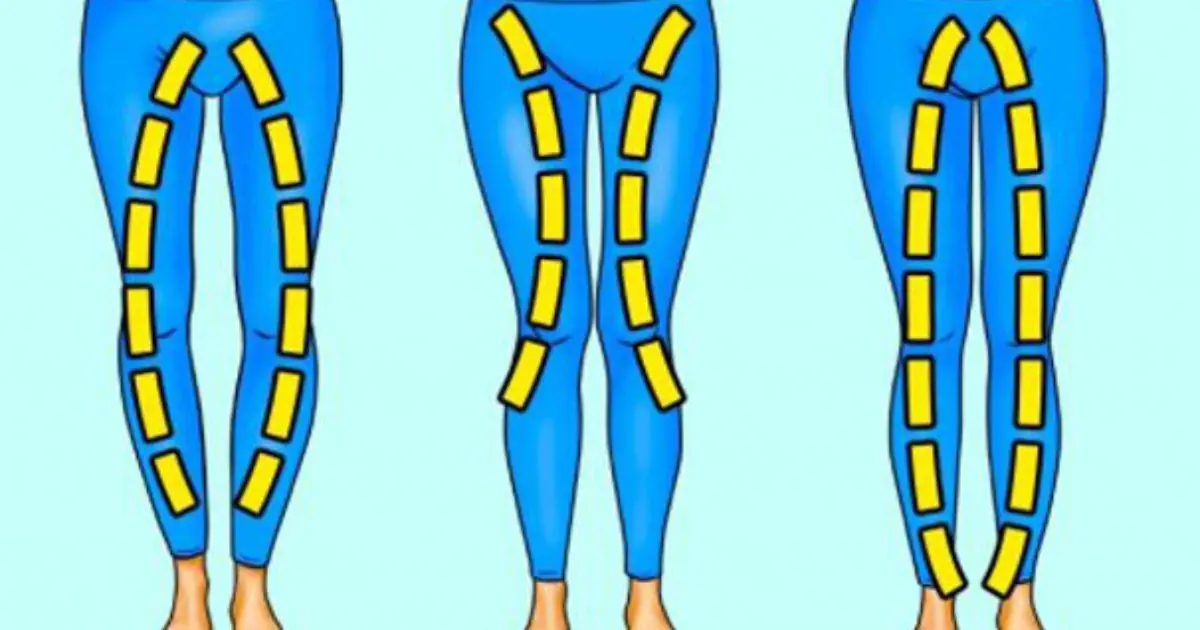
Not all leg shapes are the same and that’s completely normal

Have you ever checked into a hotel room, walked up to the pristine, perfectly made bed, and wondered about the decorative scarf or strip of fabric draped across the foot of the mattress?

“I’ve Always Known This Fruit by Sight—But Never Its Name…” 👀 Can You Guess It? 👇

One childhood photo, one famous face, and a surprising identity.
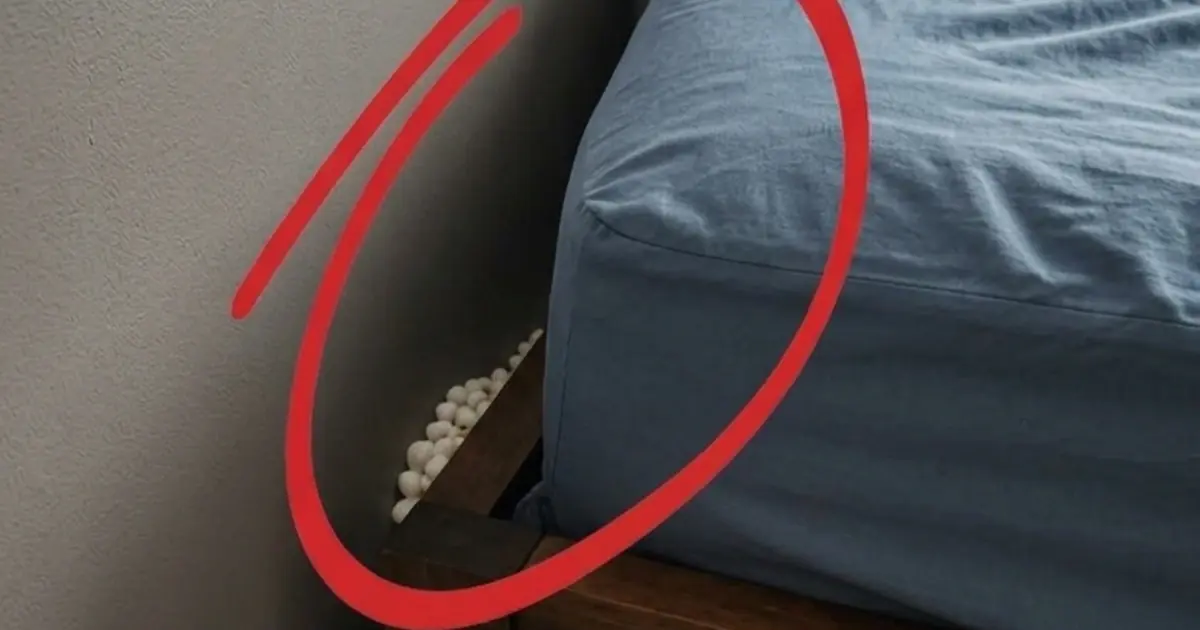
Something strange was waiting beside my bed after I came home from work… 😳 I honestly didn’t know whether I should get closer or run!
A Heartbreaking Loss Brings Attention to the Need for Better Menstrual Health Education
Choose One Rose and Discover Your Hidden Personality Traits
Why You Should Think Twice Before Tying a Ribbon to Your Suitcase?
Had a Dream About a Loved One Who Passed Away? Here’s What It Could Mean
Scientists have finally determined when Elon Musk’s warning that “eventually, all life on Earth will be destroyed by the sun” could come to pass.
Seeing Purple Veins on Your Legs? Here’s What They May Mean
These Common Morning Habits May Affect Your Bl00d Pressure
Skin irritation in the groin area is a common condition that can affect people of all ages and genders. Due to the warm, moist, and confined environment of the groin, it is particularly vulnerable to skin problems. Understanding the causes, symptoms, and
Who Should Think Twice Before Eating Eggplant?
Are You Sleeping Next to the Wrong Person? Here Are the Signs
Signs Your Digestive System May Be Asking for Help
5 Silent Signs of Pancreatic Can.cer Most People Ignore
What Your Everyday Aches Might Be Trying to Tell You
Could your bedtime routine be putting extra stress on your heart? A 65-Year-Old Woman Di.ed Suddenly Before Dawn: Doctors Warn That One Common Bedtime Habit Could Increase the Risk
The Emotional Story That Proves Kindness Still Exists
Young Man in His 20s D.i.es of C.anc.er After Ignoring Two Nighttime Symptoms