Toe Hair in Women: Is It Normal? Here's What It Could Mean
Most people rarely pay attention to the tiny hairs growing on their toes. However, many women are surprised when they notice them and immediately wonder whether something is wrong. Is toe hair normal? Does it indicate a hormonal imbalance? Should it be removed?
The good news is that, in most cases, toe hair is completely normal. In fact, it can even be a sign that your hair follicles and blood circulation are functioning as expected. However, sudden or excessive hair growth—especially when accompanied by other symptoms—may be worth discussing with a healthcare professional.
Here's what you should know.
Is It Normal for Women to Have Toe Hair?
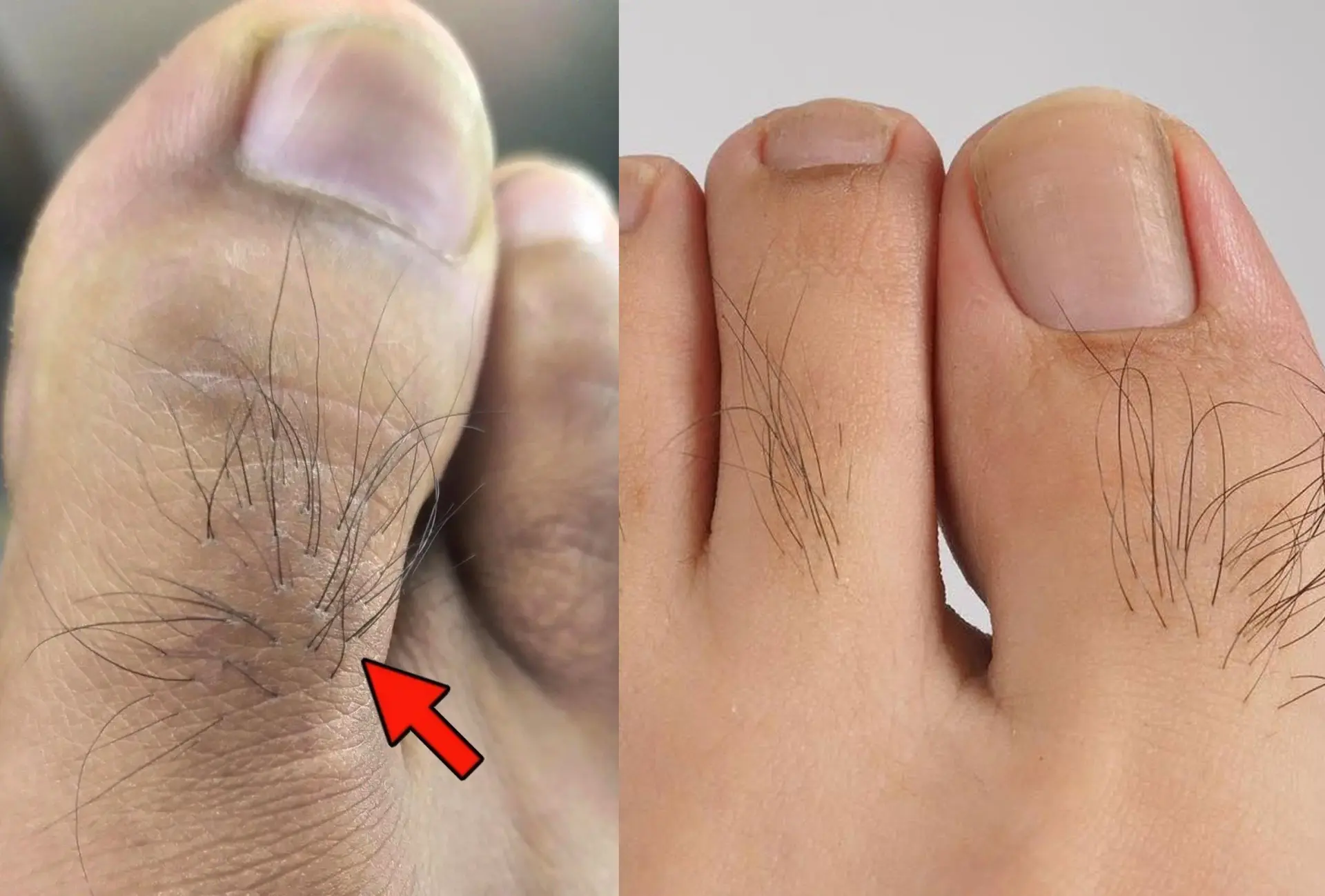
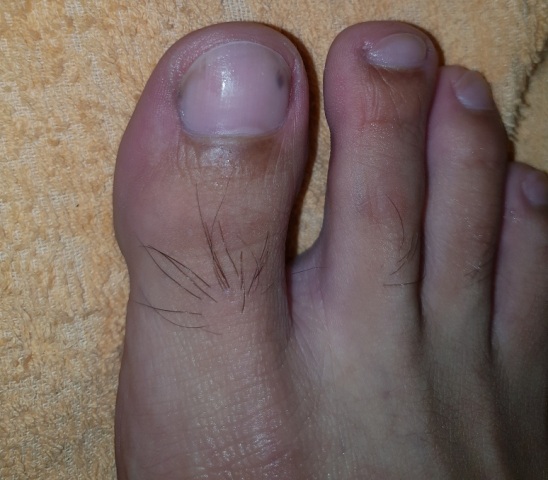
Yes. Toe hair is a natural part of human body hair, regardless of gender. While men typically have thicker and darker hair because of higher testosterone levels, many women also have fine or noticeable hair on their toes.
The amount, color, and thickness of toe hair vary greatly from person to person. Some women barely notice it, while others naturally have darker, coarser hair.
Having toe hair alone is generally not a cause for concern.
Why Do Some Women Have More Toe Hair Than Others?
Several factors influence body hair growth.
1. Genetics
Your genes play the biggest role in determining where and how much body hair you grow. If your parents or close relatives have noticeable body hair, chances are you may too.
Genetics affect:
- Hair thickness
- Hair color
- Hair density
- Growth pattern
For many women, toe hair is simply an inherited trait.
2. Hormones
Hormones, particularly androgens such as testosterone, influence body hair growth in both men and women.
Women naturally produce small amounts of testosterone. If androgen levels are slightly higher, body hair—including toe hair—may become darker or more noticeable.
Hormonal fluctuations during puberty, pregnancy, or menopause can also temporarily affect hair growth.
3. Ethnicity
Body hair patterns differ among ethnic groups. Some populations naturally tend to have more visible body hair than others.
This variation is completely normal and usually doesn't indicate any health problem.
4. Age
As women age, hormone levels change. Some women notice thinner scalp hair but increased facial or body hair after menopause due to shifting hormone balance.
Toe hair may become more noticeable during this time.
Could Toe Hair Be a Sign of Good Circulation?
Interestingly, healthy hair follicles rely on oxygen and nutrients delivered through the bloodstream.
Although toe hair alone isn't a medical test for circulation, the presence of hair on the feet can suggest that the skin and hair follicles are receiving an adequate blood supply.
On the other hand, people with severe peripheral artery disease (PAD) sometimes experience hair loss on the legs and feet because reduced blood flow can damage hair follicles.
However, the absence of toe hair does not automatically mean you have poor circulation. Many perfectly healthy people naturally have little or no hair on their feet.
When Should Toe Hair Raise Concern?
Toe hair itself is rarely a problem. What matters is whether it appears suddenly or is accompanied by other symptoms.
You may want to consult a healthcare provider if you notice:
- Rapid increase in body hair
- Thick, coarse hair appearing in unusual places
- Hair growth on the chest, chin, or upper lip
- Severe acne
- Irregular menstrual cycles
- Difficulty becoming pregnant
- Unexplained weight gain
- Deepening voice
These symptoms could suggest an underlying hormonal condition.
Polycystic Ovary Syndrome (PCOS)
One of the most common reasons for excessive body hair in women is Polycystic Ovary Syndrome (PCOS).
PCOS affects hormone production and may cause:
- Increased facial hair
- Excess body hair
- Irregular periods
- Acne
- Ovarian cysts
- Fertility problems
- Weight gain
Not every woman with toe hair has PCOS. In fact, toe hair by itself is extremely common and usually unrelated to the condition.
Other Medical Conditions
Less commonly, increased body hair may be linked to:
- Adrenal gland disorders
- Certain ovarian conditions
- Cushing syndrome
- Rare hormone-producing tumors
- Some medications that affect hormone levels
These conditions are uncommon, and healthcare providers typically evaluate multiple symptoms rather than toe hair alone.
Can Certain Medications Cause More Hair Growth?
Yes.
Some medications may stimulate hair growth as a side effect, including certain treatments used for:
- High blood pressure
- Autoimmune diseases
- Hair loss
- Hormone therapy
If you've recently started a new medication and notice unusual body hair growth, discuss it with your healthcare provider before stopping the medication.
Is It Safe to Remove Toe Hair?
Absolutely.
If toe hair bothers you cosmetically, there are several safe removal methods.
Shaving
A quick, painless option, though the hair will eventually grow back.
Tweezing
Works well if only a few hairs are present.
Waxing
Provides longer-lasting results but may cause temporary irritation.
Laser Hair Removal
Offers a longer-term reduction in hair growth and is suitable for people looking for a more permanent solution.
Whichever method you choose, keep the skin clean and moisturized to reduce irritation.
Myths About Toe Hair
Myth: Toe hair means you have too much testosterone.
Not necessarily. Many healthy women with normal hormone levels have toe hair.
Myth: Toe hair is unhygienic.
False. Body hair is a natural feature and doesn't make someone less clean.
Myth: Every woman should remove toe hair.
Hair removal is a personal choice. There is no medical reason to remove toe hair unless you want to.
Myth: No toe hair means poor health.
Also false. Some people naturally have very little body hair because of genetics.
Tips for Healthy Skin and Hair
Maintaining overall health supports healthy skin and hair.
Helpful habits include:
- Eating a balanced diet rich in protein, vitamins, and minerals
- Staying physically active
- Drinking enough water
- Avoiding smoking
- Managing chronic health conditions such as diabetes
- Scheduling regular health checkups
These lifestyle choices contribute to healthy circulation and overall well-being.
The Bottom Line
Toe hair in women is usually a completely normal part of the body's natural hair pattern. Genetics, hormones, ethnicity, and age all influence how much hair grows on your toes and feet.
In most cases, there's nothing to worry about. However, if you experience a sudden increase in body hair along with symptoms such as irregular periods, acne, or unexplained weight gain, it's worth speaking with a healthcare professional to rule out an underlying hormonal condition.
Remember, toe hair alone rarely tells the whole story. Instead of focusing on a single feature, pay attention to your overall health and any changes happening throughout your body. If something seems unusual or persistent, a medical evaluation can provide reassurance and, if necessary, appropriate treatment.