The loss of a loved one is one of life's most profound experiences. Beyond the emotional impact, families often find themselves making many practical decisions - planning a funeral, sorting through personal belongings, and deciding what to keep, donate, or discard.
Across different cultures and religions, there are traditions surrounding these belongings. Some families choose to preserve certain items because they carry emotional, historical, or symbolic meaning. Others may follow customs passed down through generations that encourage keeping particular possessions as a way of honoring the deceased.
It's important to recognize that these practices vary widely. There is no universal rule about what should or should not be kept after a funeral. Instead, families are encouraged to make decisions that align with their beliefs, cultural traditions, and personal wishes.
Here are four types of belongings that some traditions recommend preserving and the reasons behind those customs.
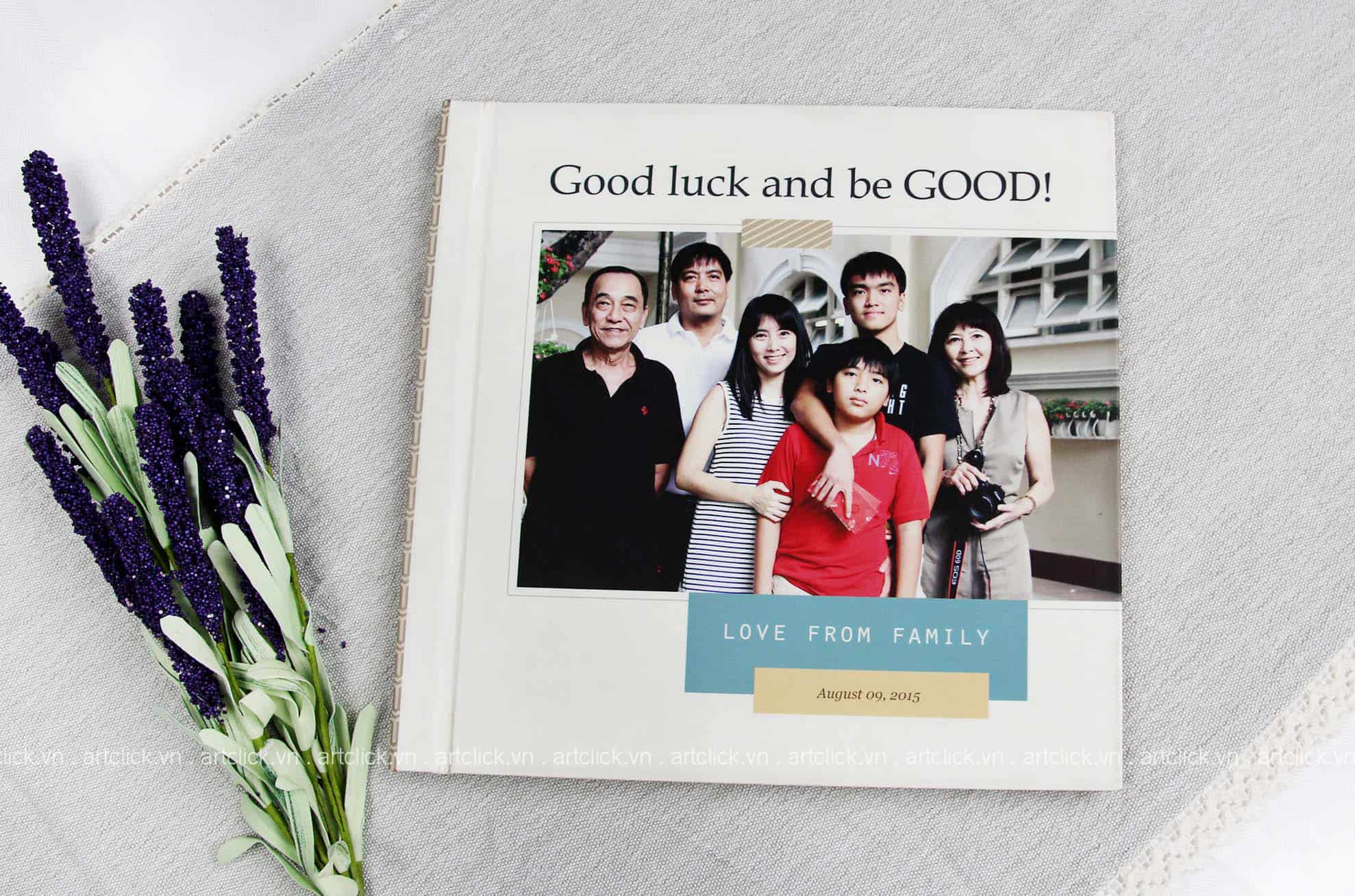
1. Photographs and Family Albums
Photographs are often among the most treasured possessions left behind.
Unlike many household items, family photographs preserve moments that cannot be recreated:
-
Childhood memories
-
Weddings
-
Family celebrations
-
Vacations
-
Everyday moments together
For many families, looking through photographs becomes part of the grieving process, helping loved ones remember not only the person's life but also the joy they shared together.
Today, many families also choose to:
-
Digitize old photographs
-
Create memory books
-
Assemble framed displays
-
Share digital albums with relatives
These efforts help preserve family history for future generations.
Why They Matter
Photos often become a bridge between generations.
Children and grandchildren who never met the deceased may one day learn about them through these images and the stories that accompany them.
Rather than simply being pictures, they become part of a family's shared history.
2. Personal Letters, Journals, and Handwritten Notes
Many traditions encourage families to carefully preserve handwritten items.
Examples include:
-
Letters
-
Greeting cards
-
Journals
-
Recipe cards
-
Diaries
-
Notes
-
Handwritten prayers
These items often provide a unique glimpse into a person's thoughts, personality, and experiences.
Unlike digital messages, handwriting carries a deeply personal quality that many people find comforting after a loss.
Emotional Value
Reading a handwritten birthday card or seeing a familiar signature can evoke cherished memories.
Some families choose to:
-
Store letters in archival boxes
-
Scan important documents
-
Include copies in family memory books
-
Pass meaningful writings down through generations

3. Meaningful Heirlooms and Keepsakes
Not every possession has sentimental value, but some items become treasured family heirlooms.
Examples may include:
-
Wedding rings
-
Watches
-
Jewelry
-
Religious symbols
-
Military medals
-
Family Bibles or prayer books
-
Handmade quilts
-
Traditional clothing
-
Favorite books
These belongings often represent milestones, achievements, or family traditions.
Many families preserve them not because of their financial value but because of the memories they represent.
Passing Stories Along
An heirloom becomes even more meaningful when accompanied by its story.
For example:
"This watch belonged to your grandfather. He wore it every day during his career."
Without the story, an object may seem ordinary.
With the story, it becomes part of a family's identity.
4. Cultural or Religious Memorial Items
Depending on a family's beliefs, certain memorial items may be preserved after funeral services.
Examples vary widely among cultures and religions and may include:
-
Prayer books
-
Memorial cards
-
Candles
-
Funeral programs
-
Religious symbols
-
Commemorative plaques
-
Condolence books
For some families, these items serve as reminders of community support and shared remembrance.
Others may incorporate them into annual memorial observances or family gatherings.
Practices differ significantly across traditions, and there is no single approach that applies to everyone.
Belongings That Carry Emotional Meaning
Sometimes an item has little monetary value but great emotional significance.
Examples include:
-
A favorite coffee mug
-
Reading glasses
-
Gardening tools
-
A favorite sweater
-
A handwritten recipe
-
A musical instrument
These everyday objects often remind families of ordinary moments that become especially meaningful after a loved one's passing.
Deciding What to Keep
Sorting through belongings can be emotionally difficult.
Many grief counselors recommend avoiding rushed decisions immediately after a loss whenever possible.
Instead, consider:
-
Taking your time.
-
Asking family members for input.
-
Setting aside especially meaningful items.
-
Donating possessions that may benefit others.
-
Photographing items before letting them go.
There is no "right" timeline for this process.
When It's Okay to Let Things Go
Preserving memories does not require keeping every possession.
Many families eventually choose to:
-
Donate clothing.
-
Give furniture to relatives.
-
Contribute books to libraries.
-
Donate medical equipment.
-
Pass useful household items to those in need.
These decisions can honor a loved one's legacy by allowing their belongings to continue serving others.
Different Cultures, Different Traditions
Around the world, funeral customs vary greatly.
Some cultures emphasize preserving certain belongings.
Others encourage donating possessions shortly after death.
Some families create memory boxes, while others establish charitable scholarships or plant trees in remembrance.
Each approach reflects different beliefs about remembrance, family, and community.
Respecting these differences is an important part of understanding cultural diversity.
Helping Children Remember
For younger family members, preserving a few meaningful belongings may provide comfort.
Examples include:
-
A favorite book
-
A piece of jewelry
-
A handwritten recipe
-
A framed photograph
-
A cherished blanket
These keepsakes can help children maintain a healthy connection to family memories while learning about their loved one's life.
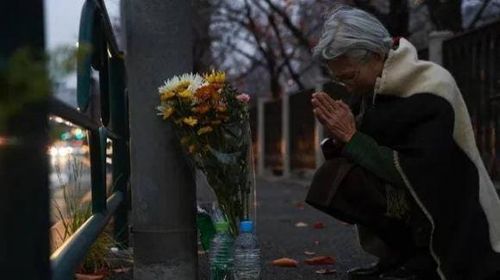
Honoring Memories Beyond Possessions
Many families find meaningful ways to remember someone that go beyond keeping physical items.
Examples include:
-
Sharing stories together.
-
Recording family history.
-
Creating photo albums.
-
Cooking favorite family recipes.
-
Supporting a charitable cause important to the deceased.
-
Planting a memorial tree or garden.
-
Celebrating birthdays or anniversaries with acts of kindness.
These traditions emphasize that memories live on through actions as well as objects.
Common Myths
Myth: Every family must keep the same belongings.
Fact: Funeral customs vary across cultures, religions, and personal preferences. There is no universal list of items that must be preserved.
Myth: Throwing away a loved one's belongings is always disrespectful.
Fact: Many families choose to donate or responsibly recycle possessions. What matters most is making thoughtful decisions that honor the person's memory.
Myth: Keeping more possessions means remembering someone better.
Fact: Love and remembrance are not measured by the number of items kept. A few meaningful keepsakes may hold greater significance than many stored belongings.
Myth: There is a "correct" timeline for sorting belongings.
Fact: Grief affects everyone differently. Some people need weeks, while others may need months or longer before they feel ready.
The Bottom Line
After the loss of a loved one, deciding what to do with personal belongings is a deeply personal process. Across many cultures, families choose to preserve items such as photographs, handwritten letters, meaningful heirlooms, and memorial keepsakes because they carry emotional, historical, or symbolic value. These traditions can offer comfort and help keep memories alive, but they are not universal rules.
Ultimately, the most meaningful way to honor someone is not determined by the number of possessions you keep, but by the memories you cherish, the stories you share, and the love that continues to shape your family long after they are gone.