Have you recently noticed spots appearing on your hands? Whether they're brown, red, white, purple, or darker than your surrounding skin, it's natural to wonder what they mean. In many cases, spots on the hands are harmless and result from common causes such as aging, sun exposure, minor injuries, or temporary skin irritation. However, some changes may warrant medical evaluation, especially if they are new, rapidly changing, painful, or accompanied by other symptoms.
Because our hands are constantly exposed to sunlight, water, chemicals, and physical activity, they are particularly susceptible to a wide variety of skin changes throughout life.
Here's what health experts say about some of the most common causes of spots on the hands and when it's a good idea to see a healthcare professional.

Why Do Spots Develop on the Hands?
The skin on your hands experiences daily wear and tear.
Over time, factors such as:
-
Sun exposure
-
Aging
-
Dry skin
-
Friction
-
Minor injuries
-
Allergic reactions
-
Medical conditions
can all contribute to changes in skin color or texture.
The appearance of the spots often provides clues about their possible cause.
1. Age Spots (Solar Lentigines)
One of the most common reasons for brown spots on the hands is age spots, also known as solar lentigines or liver spots.
Despite the nickname, these spots have nothing to do with liver disease.
Age spots develop after years of ultraviolet (UV) exposure and commonly appear on areas that receive the most sunlight, including:
-
The backs of the hands
-
Face
-
Shoulders
-
Forearms
They are usually:
-
Flat
-
Light to dark brown
-
Painless
-
Slowly developing
Although harmless, many people choose cosmetic treatments if the spots are bothersome.
2. Freckles
Freckles are another common type of pigmentation.
They are influenced by genetics and become more noticeable after sun exposure.
Unlike age spots, freckles often:
-
Fade during winter months
-
Become darker during sunny seasons
-
Appear at younger ages
Using sunscreen may help reduce their appearance.
3. Bruising
Purple or blue spots may simply be bruises caused by minor injuries.
As people age, the skin becomes thinner and blood vessels become more fragile, making bruising easier.
Bruises typically:
-
Change color over time
-
Fade gradually
-
Resolve without treatment
Frequent unexplained bruising should be discussed with a healthcare professional.
4. Contact Dermatitis
Sometimes spots appear because the skin reacts to something it has touched.
Common triggers include:
-
Soaps
-
Cleaning products
-
Fragrances
-
Latex
-
Metals such as nickel
-
Plants
-
Hand sanitizers
Symptoms may include:
-
Redness
-
Itching
-
Dryness
-
Small bumps
-
Peeling
Avoiding the trigger and using appropriate skin care often helps.
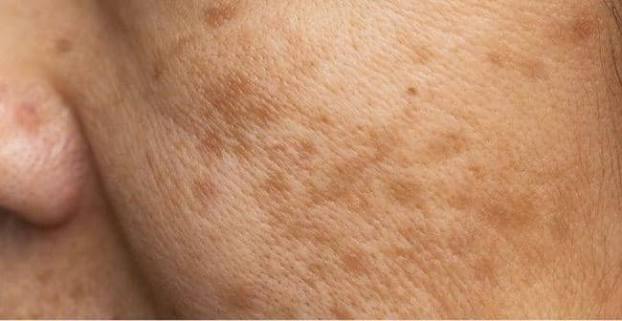
5. Eczema
Hand eczema is common, especially among people who frequently wash their hands or work with water and chemicals.
Symptoms may include:
-
Red patches
-
Dry skin
-
Cracking
-
Itching
-
Thickened skin
Moisturizing regularly and protecting the hands from irritants can help reduce flare-ups.
6. Fungal Skin Infections
Certain fungal infections can affect the hands, although they are less common than fungal infections of the feet.
Symptoms may include:
-
Circular patches
-
Scaling
-
Itching
-
Peeling skin
Because several skin conditions can look similar, an accurate diagnosis is important before beginning treatment.
7. Vitiligo
Vitiligo is a condition in which pigment-producing cells are lost in certain areas of the skin.
This results in:
-
Smooth white patches
-
Well-defined borders
-
Areas that gradually enlarge
Vitiligo is not contagious.
A dermatologist can help confirm the diagnosis and discuss treatment options if desired.
8. Actinic Keratosis
Years of sun exposure can sometimes lead to rough, scaly patches called actinic keratoses.
These commonly appear on:
-
Hands
-
Face
-
Ears
-
Scalp
Although many remain stable, actinic keratoses have the potential to develop into certain types of skin cancer if left untreated.
Medical evaluation is recommended for suspicious lesions.
9. Skin Cancer
Not every spot is harmless.
You should have a spot examined if it:
-
Changes in size
-
Changes in color
-
Has irregular borders
-
Bleeds
-
Does not heal
-
Continues to grow
The ABCDE rule for melanoma can help identify concerning pigmented lesions:
-
A – Asymmetry
-
B – Border irregularity
-
C – Color variation
-
D – Diameter larger than about 6 millimeters (though melanomas can be smaller)
-
E – Evolving or changing over time
If you notice these warning signs, seek prompt evaluation by a healthcare professional.
10. Small Red or Purple Spots
Tiny red or purple spots may have several possible causes.
Examples include:
-
Petechiae
-
Cherry angiomas
-
Minor blood vessel changes
-
Certain medical conditions
Some are harmless, while others require medical attention, particularly if they appear suddenly, spread rapidly, or occur with fever or unexplained illness.
Can Lifestyle Affect Skin Spots?
Yes.
Several everyday factors influence skin health.
These include:
-
Sun exposure
-
Smoking
-
Nutrition
-
Hydration
-
Skin care habits
-
Occupational exposures
Protecting your skin throughout life may reduce some forms of discoloration.
Tips for Healthy Hands
Healthy skin begins with good daily habits.
Consider:
-
Applying broad-spectrum sunscreen to the backs of your hands every day, even while driving.
-
Moisturizing regularly, especially after washing your hands.
-
Wearing gloves when using harsh cleaning products or gardening.
-
Washing with mild soap instead of harsh detergents.
-
Avoiding excessive sun exposure during peak UV hours.
-
Staying hydrated.
-
Eating a balanced diet rich in fruits, vegetables, whole grains, lean proteins, and healthy fats.
These habits help maintain overall skin health but cannot prevent every skin condition.
When Should You See a Healthcare Professional?
Seek medical advice if a spot:
-
Appears suddenly without explanation.
-
Changes rapidly in size, shape, or color.
-
Bleeds or develops a crust that does not heal.
-
Is painful or persistently itchy.
-
Continues growing.
-
Is accompanied by fever, unexplained bruising, or other concerning symptoms.
Early evaluation is especially important for suspicious skin lesions.
Common Myths About Hand Spots
Myth: Every brown spot is a sign of aging.
Fact: Brown spots may result from sun exposure, freckles, certain medications, inflammatory skin conditions, or other causes.
Myth: Age spots are caused by liver disease.
Fact: Despite the name "liver spots," they are most commonly associated with cumulative sun exposure and aging.
Myth: Every new spot is skin cancer.
Fact: Most skin spots are benign, but persistent or changing lesions should be evaluated to rule out serious conditions.
Myth: You only need sunscreen at the beach.
Fact: Everyday sun exposure including while driving or walking outdoors - can contribute to long-term skin damage.
.webp?la=vi-vn)
The Bottom Line
Spots on your hands can develop for many different reasons, including sun exposure, aging, freckles, bruising, eczema, contact dermatitis, fungal infections, vitiligo, and other skin conditions. Most are harmless, but any spot that changes in appearance, grows quickly, bleeds, or fails to heal should be assessed by a healthcare professional.
The best way to protect your hands is through consistent skin care, including daily sun protection, regular moisturizing, and avoiding unnecessary exposure to skin irritants. Paying attention to new or changing skin lesions—and seeking medical advice when needed—can help ensure that potentially serious conditions are identified and treated as early as possible.