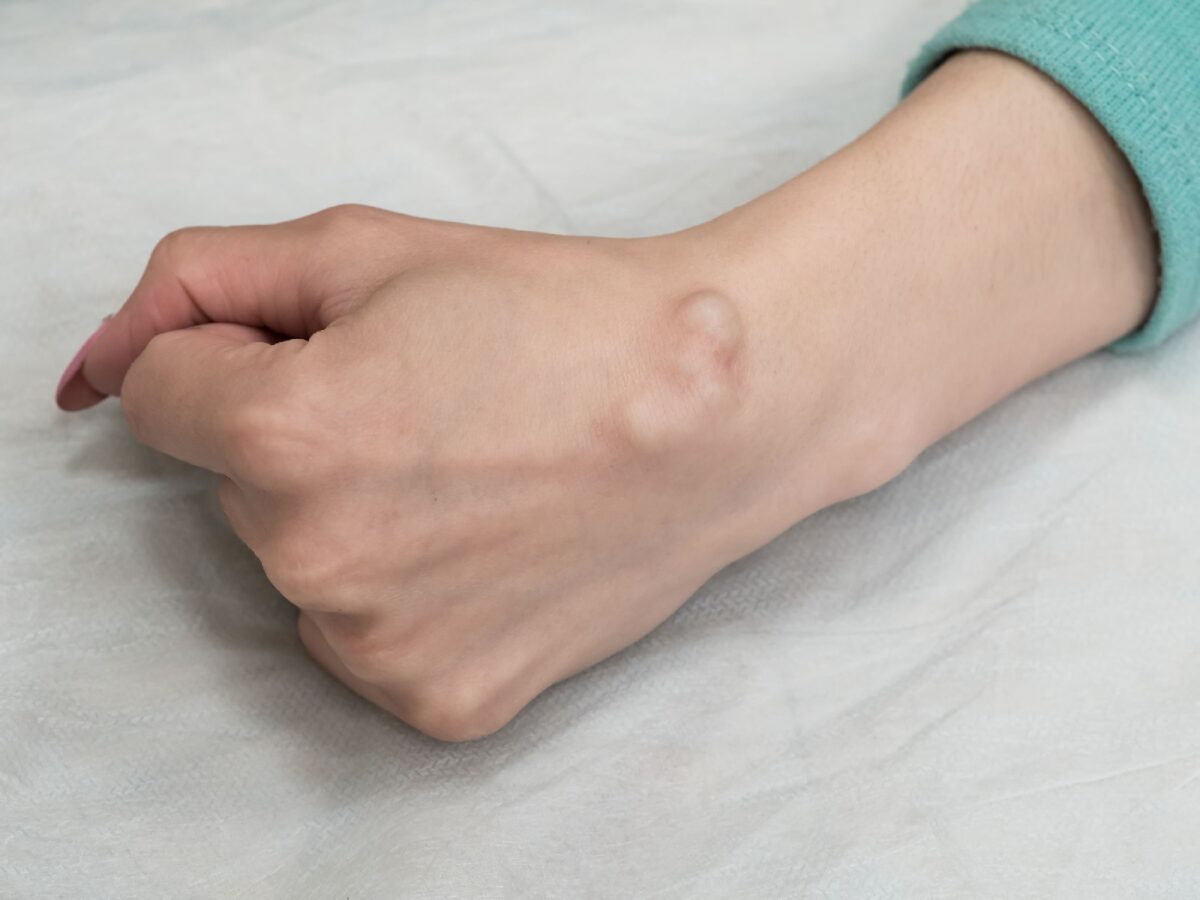
Finding a small lump on your wrist can be unsettling. Your first thought might be that it's something serious, especially if the bump appeared suddenly or seems to change in size. Fortunately, one of the most common causes of a wrist lump is a ganglion cyst, a benign (noncancerous) fluid-filled sac that develops near a joint or tendon.
Ganglion cysts can occur in people of all ages, although they are most frequently seen in young and middle-aged adults. While many cysts cause no symptoms and disappear on their own, others may cause discomfort, interfere with movement, or press on nearby nerves.
Understanding what ganglion cysts are and knowing when to seek medical advice can help you make informed decisions about your health.

What Is a Ganglion Cyst?
A ganglion cyst is a small, fluid-filled sac that develops near a joint or tendon. It contains a thick, jelly-like fluid similar to the lubricating fluid naturally found inside joints.
Ganglion cysts most commonly appear on:
- The back of the wrist (the most common location)
- The front (palm side) of the wrist
- The base of the fingers
- Finger joints
- The foot or ankle
Although they can vary in size, many are about the size of a pea or grape.
Importantly, ganglion cysts are not cancerous and do not become cancer.
Why Do Ganglion Cysts Form?
The exact cause isn't always known.
Researchers believe they may develop when:
- Joint capsules weaken
- Tendon coverings become irritated
- Small amounts of joint fluid leak into surrounding tissue
- Repeated stress affects the joint
Not everyone who develops a ganglion cyst has experienced an injury.
Many appear without any obvious cause.
Who Is More Likely to Develop One?
Ganglion cysts are more common in:
- Adults between ages 20 and 50
- Women (slightly more often than men)
- People who perform repetitive wrist movements
- Individuals with previous wrist injuries
- People with certain forms of arthritis affecting the fingers
However, anyone can develop a ganglion cyst.
Common Signs and Symptoms
Some ganglion cysts cause no symptoms at all.
Others may produce noticeable changes.
1. A Small, Round Lump
The most obvious sign is a smooth lump beneath the skin.
It may feel:
- Firm
- Slightly soft
- Rubbery
The lump usually moves only slightly under the skin because it remains attached to deeper tissues.
2. Changes in Size
Ganglion cysts often change in size.
You may notice that the bump:
- Appears larger after heavy wrist activity
- Becomes smaller after rest
- Sometimes nearly disappears
- Occasionally enlarges over time
These size changes are common.
3. Mild Pain or Discomfort
Many cysts are painless.
However, some people experience:
- Aching
- Tenderness
- Discomfort during wrist movement
- Pain while lifting heavy objects
Pain often becomes more noticeable after repetitive activity.
4. Limited Wrist Movement
Larger cysts may interfere with normal joint movement.
You might notice:
- Difficulty bending the wrist fully
- Reduced flexibility
- Mild stiffness
Not everyone experiences movement limitations.
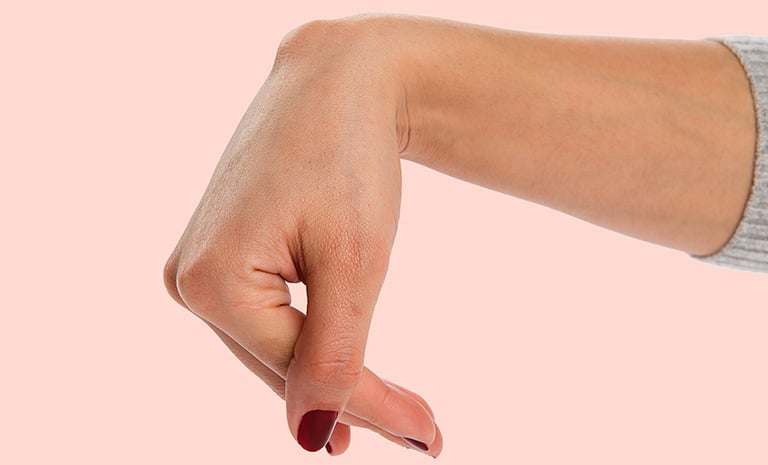
5. Tingling or Numbness
If a ganglion cyst presses against a nearby nerve, it may cause:
- Tingling
- Numbness
- Burning sensations
- Weakness in the hand or fingers
These symptoms should be evaluated by a healthcare professional.
Are Ganglion Cysts Dangerous?
In most cases, no.
Ganglion cysts are benign and often cause little or no discomfort.
Many disappear without treatment.
However, they can become problematic if they:
- Cause persistent pain
- Compress nearby nerves
- Limit movement
- Continue growing
- Interfere with work or daily activities
Other Conditions That Can Cause a Wrist Lump
Not every lump on the wrist is a ganglion cyst.
Other possible causes include:
Lipoma
A lipoma is a soft, fatty lump beneath the skin.
Unlike ganglion cysts, lipomas are usually not connected to joints.
Giant Cell Tumor of the Tendon Sheath
This benign growth develops around tendons and often feels firmer than a ganglion cyst.
Arthritis-Related Bone Changes
Osteoarthritis can produce firm bony enlargements near finger joints or the wrist.
Inflammation or Infection
Although uncommon, swelling caused by infection requires prompt medical attention.
Less Common Tumors
Rarely, wrist lumps may represent other benign or malignant tumors.
This is one reason why new or changing lumps should be evaluated if the diagnosis is uncertain.
How Do Doctors Diagnose a Ganglion Cyst?
Diagnosis often begins with a physical examination.
Your healthcare provider may evaluate:
- The size of the lump
- Its location
- Whether it changes with movement
- Whether it causes pain
Additional tests may include:
Ultrasound
Ultrasound can determine whether the lump is fluid-filled or solid.
MRI
Magnetic resonance imaging (MRI) may be recommended if the diagnosis is uncertain or surgery is being considered.
X-rays
X-rays do not show ganglion cysts directly but may help rule out arthritis or bone problems.
Do Ganglion Cysts Need Treatment?
Not always.
If the cyst:
- Is painless
- Does not interfere with movement
- Is not growing significantly
your healthcare provider may simply recommend observation.
Many ganglion cysts improve without intervention.
Treatment Options
If symptoms develop, several treatment approaches are available.
Observation
Many people require no treatment at all.
Regular monitoring may be all that's needed.
Wrist Immobilization
A wrist brace or splint may reduce movement and temporarily relieve discomfort.
Long-term immobilization is usually not recommended because it can weaken muscles.
Aspiration
A doctor may use a needle to remove fluid from the cyst.
This procedure can relieve symptoms, but the cyst may return because the connection to the joint often remains.
Surgery
Surgical removal may be considered when:
- Pain is persistent
- The cyst repeatedly returns after aspiration
- Movement is significantly limited
- Nerve compression occurs
Even after surgery, recurrence is still possible, although it is less common than after aspiration.
Should You Pop a Ganglion Cyst Yourself?
No.
You should never attempt to puncture, squeeze, or hit a ganglion cyst at home.
In the past, people sometimes referred to ganglion cysts as "Bible cysts" because they attempted to burst them by striking them with a heavy book.
This practice is strongly discouraged because it may cause:
- Injury
- Infection
- Damage to nearby nerves or tendons
- Persistent pain
Only trained healthcare professionals should perform procedures involving a ganglion cyst.
Can Exercise Help?
Gentle movement and stretching may help maintain joint flexibility, but exercise does not remove a ganglion cyst.
If certain activities increase discomfort, temporarily reducing repetitive wrist strain may be beneficial until you receive medical advice.
Can a Ganglion Cyst Go Away on Its Own?
Yes.
Many ganglion cysts:
- Shrink naturally
- Remain stable for years
- Occasionally disappear completely
Others persist or gradually enlarge.
Because every case is different, regular observation is often appropriate for painless cysts.
Myths About Ganglion Cysts
Myth 1: Every Wrist Lump Is a Ganglion Cyst
False.
Many different conditions can cause lumps around the wrist.
A proper diagnosis is important.
Myth 2: Ganglion Cysts Always Need Surgery
False.
Many require no treatment and simply need monitoring.
Myth 3: They Always Hurt
False.
Many ganglion cysts are completely painless.
Pain usually depends on their size and location.
Myth 4: They Turn Into Cancer
False.
Ganglion cysts are benign and do not become cancer.
However, a new or unusual lump should still be evaluated to confirm the diagnosis.
When Should You See a Doctor?
Arrange a medical evaluation if you notice:
- A new wrist lump that persists.
- A lump that grows rapidly.
- Pain during daily activities.
- Tingling or numbness in your fingers.
- Weakness in your hand.
- Difficulty moving your wrist.
- A lump that returns after previous treatment.
- Redness, warmth, or swelling suggesting infection.
A healthcare professional can determine whether the lump is a ganglion cyst or another condition requiring treatment.
Final Thoughts
A small bump on the wrist is often caused by a ganglion cyst, one of the most common benign soft tissue lumps affecting the hand and wrist. While these cysts may look concerning, they are usually harmless and often cause little or no discomfort. In many cases, they remain stable or even disappear without treatment.
However, not every wrist lump is a ganglion cyst. If a lump is painful, grows quickly, limits movement, causes numbness or weakness, or has an uncertain diagnosis, it's important to seek medical evaluation. A simple examination—and sometimes imaging such as an ultrasound or MRI—can help identify the cause and guide appropriate treatment.
Understanding the difference between harmless changes and symptoms that warrant medical attention can help you care for your wrist with confidence and avoid unnecessary worry.