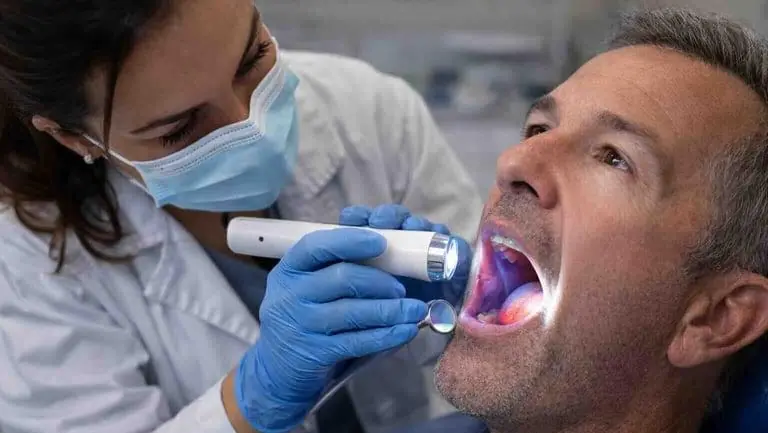
Two Warning Signs of Tongue Can.cer That Are Different from Common Mouth Ulcers
Don't Ignore a Tongue Ulcer That Won't Heal
Health 18/07/2026 13:17
Collagen has become one of the most talked-about nutrients in recent years. From powdered supplements to homemade bone broth, many people are looking for ways to support healthy joints, skin, and connective tissues through their diet.
One popular trend is making homemade collagen-rich foods, especially slow-cooked bone broth, which is believed to provide collagen and other nutrients that may contribute to overall health. While these foods can certainly be part of a nutritious eating pattern, it's important to understand what current research actually says about their potential benefits.
The good news is that collagen-rich foods are generally nutritious and can contribute to a balanced diet. However, they should not be viewed as a cure for joint pain, arthritis, or inflammation, and more research is needed to determine exactly how much they contribute to joint health.
Let's take a closer look.
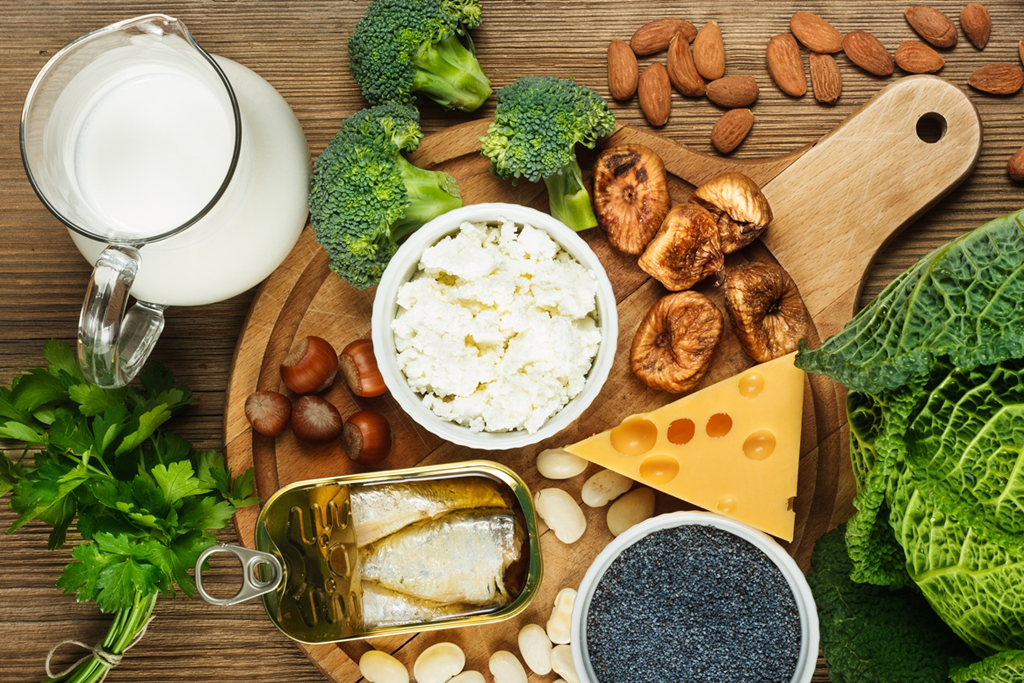
Collagen is the most abundant protein in the human body.
It provides structure and strength to many tissues, including:
More than 25 different types of collagen have been identified, but the majority of the body's collagen belongs to:
Collagen acts like the body's natural framework, helping tissues remain strong yet flexible.
Beginning in early adulthood, collagen production gradually declines.
Several factors can accelerate this process, including:
Reduced collagen production may contribute to:
These changes are a normal part of aging.
Many traditional foods naturally contain collagen or gelatin.
Popular examples include:
Made by slowly simmering:
for many hours.
During cooking, collagen from connective tissues breaks down into gelatin.
Chicken skin, wings, and connective tissues naturally contain collagen.
Fish skin is naturally rich in collagen, particularly Type I collagen.
Cuts containing connective tissue, such as:
release gelatin during long cooking.
Not exactly.
When you eat collagen-rich foods, your digestive system breaks collagen into:
These building blocks are absorbed into the bloodstream.
Your body then decides how to use them.
Some amino acids may contribute to collagen production, while others may be used to build muscles, enzymes, hormones, or other proteins.
Because of this, eating collagen does not automatically mean the collagen goes directly to your joints or skin.
Research suggests collagen may play a role in maintaining healthy connective tissues, but the evidence is still evolving.
Some studies of collagen supplements have found modest improvements in:
However, these findings cannot automatically be applied to homemade collagen-rich foods, which vary greatly in collagen content and composition.
Homemade bone broth can certainly be part of a healthy diet, but it should not replace proven medical treatments for arthritis or other joint conditions.
Claims that bone broth "eliminates inflammation" are not supported by strong scientific evidence.
Bone broth contains nutrients such as:
These nutrients contribute to overall nutrition.
However, there is currently insufficient evidence to conclude that homemade bone broth directly reduces chronic inflammation in humans.
Inflammation is influenced by many factors, including:
Collagen is only one part of the picture.
Several nutrients help the body build and maintain connective tissues.
Vitamin C is essential for collagen synthesis.
Good sources include:
Without adequate protein, the body cannot effectively repair tissues.
Healthy protein sources include:
Zinc contributes to tissue repair.
Sources include:
Copper also plays a role in collagen formation.
Foods rich in copper include:
Omega-3 fats may help support overall joint health as part of a balanced diet.
Sources include:
Nutrition is only one piece of maintaining healthy joints.
Other important habits include:
Regular exercise helps:
Low-impact activities such as walking, swimming, and cycling are excellent choices for many adults.
Excess body weight increases stress on weight-bearing joints.
Even modest weight loss may improve comfort for people with knee osteoarthritis.
Smoking may impair tissue healing and collagen production.
Sleep plays an important role in tissue repair and recovery.
If you'd like to prepare a collagen-rich broth at home, here's a simple recipe.
The cooled broth may become gelatinous—a normal sign that gelatin has dissolved into the liquid.
False.
No food directly rebuilds damaged cartilage.
Healthy nutrition supports the body's normal repair processes, but it cannot reverse severe cartilage loss.
False.
People with osteoarthritis, rheumatoid arthritis, or other joint diseases should continue following their healthcare provider's treatment plan.
False.
Collagen-rich foods are simply one source of dietary protein.
Overall dietary quality matters much more than consuming excessive amounts of any single nutrient.
Joint pain that persists should not automatically be attributed to aging or low collagen.
Consult a healthcare professional if you experience:
These symptoms may indicate conditions requiring medical evaluation.
Homemade collagen-rich foods such as bone broth, slow-cooked meats, and fish skin can be nutritious additions to a balanced diet. They provide protein, gelatin, and amino acids that contribute to overall nutrition and may supply some of the building blocks the body uses to produce collagen.
However, current scientific evidence does not support the idea that homemade collagen foods alone can cure joint pain, eliminate inflammation, or rebuild damaged cartilage. Joint health depends on many factors, including regular physical activity, maintaining a healthy weight, adequate intake of vitamin C and protein, avoiding smoking, and managing chronic health conditions.
Rather than viewing homemade collagen as a miracle remedy, consider it one component of an overall healthy lifestyle that supports your joints, connective tissues, and long-term well-being.
Don't Ignore a Tongue Ulcer That Won't Heal

Recognizing these early diabetes symptoms may help prevent serious complications.
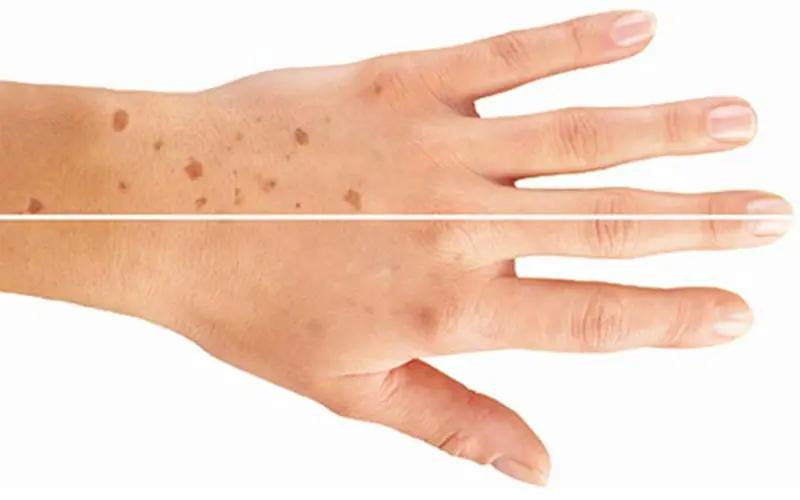
Noticed Spots on Your Hands? Here's What They May Indicate

Don't Ignore Tinnitus—It May Signal More Than Hearing Loss

Frequent 3–4 a.m. awakenings may reflect stress, habits, or health changes.

4 Hidden Reasons Your Vag.inal Odor Has Changed
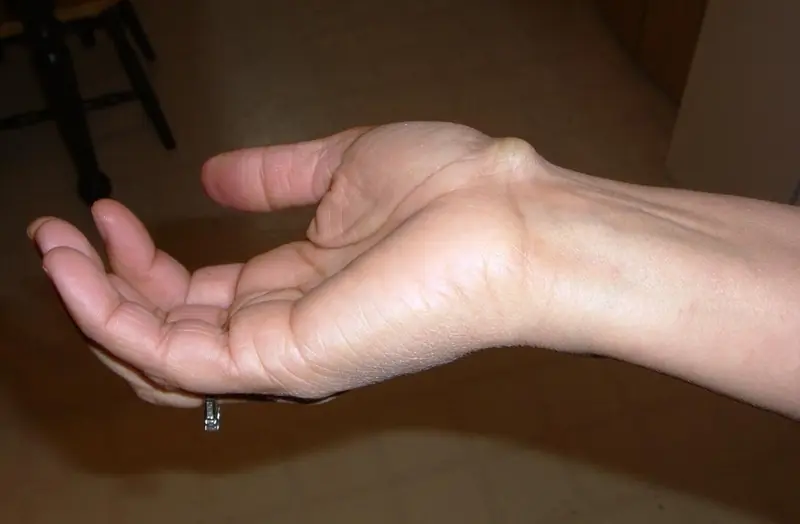
Could That Wrist Bump Be a Ganglion Cyst? Signs and When to See a Doctor

Waking Up Thirsty With a Dry Mouth? Here Are 8 Possible Reasons

Cervical Ca.n.cer Is Rising Rapidly — Stop These 5 Habits Before It’s Too Late


3 Night Symptoms That May Indicate Serious Health Risks

If You Spot a Lizard Indoors, Don't Ignore These Interesting Explanations...


These common habits could silently put women at risk



Don't Ignore a Tongue Ulcer That Won't Heal
Recognizing these early diabetes symptoms may help prevent serious complications.
Noticed Spots on Your Hands? Here's What They May Indicate
Don't Ignore Tinnitus—It May Signal More Than Hearing Loss
Frequent 3–4 a.m. awakenings may reflect stress, habits, or health changes.
4 Hidden Reasons Your Vag.inal Odor Has Changed

The Symbolic Meaning of Four Items Some Families Keep After a Funeral
Could That Wrist Bump Be a Ganglion Cyst? Signs and When to See a Doctor
Toe Hair May Be More Meaningful Than You Think—Here's Why
Waking Up Thirsty With a Dry Mouth? Here Are 8 Possible Reasons
Cervical Ca.n.cer Is Rising Rapidly — Stop These 5 Habits Before It’s Too Late
3 Night Symptoms That May Indicate Serious Health Risks
If You Spot a Lizard Indoors, Don't Ignore These Interesting Explanations...

These common habits could silently put women at risk