Why Is There a Small Hole Under Your Padlock? The Surprising Reason Most People Never Knew
The Secret Function of This Little Hole Has Surprised Millions
⏱️ 1 min read 27/08/2026 00:20
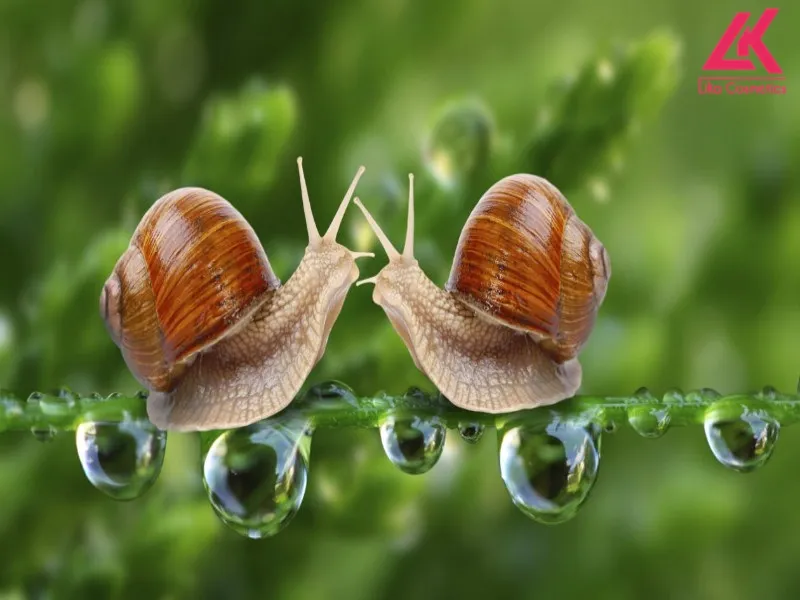
Snails may be known for their slow movement, but these remarkable creatures have unique adaptations that help them survive in a wide range of environments. Found in gardens, forests, deserts, freshwater, and oceans, snails play important roles in ecosystems by recycling organic matter and serving as food for many animals.
Here are 10 fascinating facts about snails.
Snails are mollusks, belonging to the class Gastropoda, one of the largest groups of invertebrates.
Their close relatives include:
Slugs
Clams
Oysters
Mussels
Octopuses
Squid
There are thousands of snail species living on land, in freshwater, and in marine environments.
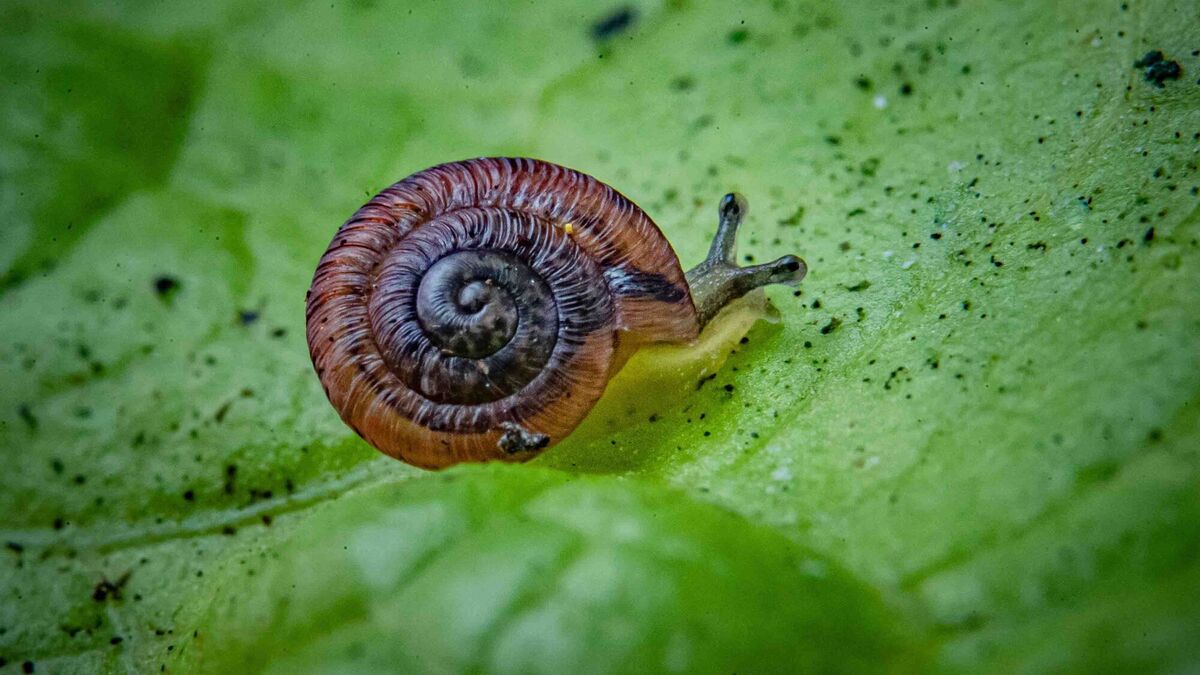
A snail's shell is much more than a portable home—it is a living structure made primarily of calcium carbonate.
The shell helps:
Protect against predators.
Prevent dehydration.
Shield internal organs.
Provide structural support.
As the snail grows, its shell grows with it.
Instead of legs, snails move using a large muscular foot on the underside of their bodies.
They glide across surfaces by producing wave-like muscle contractions while secreting a layer of mucus.
This mucus reduces friction and allows them to move over rough or even sharp surfaces.
The slimy mucus produced by snails serves several important functions.
It helps:
Prevent dehydration.
Protect delicate tissues.
Reduce friction.
Aid in climbing.
Leave scent trails for navigation.
Without sufficient moisture, many land snails cannot survive.
Many land snail species possess both male and female reproductive organs.
However, most still require a partner to reproduce and exchange sperm before laying eggs.
A single snail may lay dozens or even hundreds of eggs, depending on the species.
Although they don't have teeth like humans, snails possess a specialized feeding organ called the radula.
The radula is covered with hundreds or even thousands of microscopic teeth that scrape food from surfaces.
They commonly feed on:
Leaves.
Fruits.
Algae.
Fungi.
Decaying plant material.

During extremely hot, dry, or cold conditions, many snails enter a state of dormancy.
They seal the opening of their shell with a protective layer and dramatically slow their metabolism to conserve water and energy.
Some species can survive for months in this inactive state until environmental conditions improve.
Snails contribute to healthy ecosystems by:
Breaking down dead plants.
Recycling nutrients.
Helping decompose organic matter.
Serving as food for birds, frogs, turtles, beetles, and small mammals.
Their presence supports biodiversity in many habitats.
While many snails are harmless, certain species can damage crops and gardens by feeding on:
Lettuce.
Cabbage.
Strawberries.
Herbs.
Young seedlings.
Proper garden management can help control snail populations without harming beneficial wildlife.
Although touching a snail is generally not dangerous, some species can carry parasites, such as the rat lungworm (Angiostrongylus cantonensis), particularly in regions where the parasite is present.
To reduce the risk of infection:
Wash fruits and vegetables thoroughly.
Avoid eating raw snails.
Cook snails completely before consumption.
Wash your hands after handling snails or gardening.
The risk varies depending on the species and geographic location.
Yes. Most snail species are beneficial because they help decompose organic matter and recycle nutrients back into the soil.
However, invasive species can disrupt ecosystems and damage agriculture, making population management important in affected areas.
Certain species, such as escargot, are considered delicacies in many countries.
Edible snails should always be:
Properly identified.
Raised or collected from safe sources.
Thoroughly cooked to destroy harmful parasites and bacteria.
Wild snails should never be eaten raw.
Snails are slow-moving but highly specialized animals with remarkable adaptations. Their protective shells, mucus production, unique feeding structures, and ability to survive harsh conditions make them fascinating members of the animal kingdom. While most snails are harmless and beneficial to the environment, some species can damage crops or carry parasites, making proper hygiene and food safety important when handling or consuming them.
The Secret Function of This Little Hole Has Surprised Millions
In an era where household utility bills continue to climb, families are constantly searching for practical ways to cut back on energy consumption. While turning off lights and adjusting thermostats have become second nature, a silent culprit continues to
For centuries, humans have been captivated by riddles, brainteasers, and seemingly impossible questions that test the limits of logic and creativity. Whether encountered in old literature, modern social media feeds, or psychological aptitude tests, these
When Dogs Chase Strangers, There May Be More Behind It Than You Think
Most smartphone users overlook these surprisingly useful button shortcuts.
A simple intersection puzzle is challenging logic and road-rule knowledge.
Experts say daily food choices may play a key role in brain aging.
New research raises concerns about a common compound found in breakfast staples.
A simple photo sparked confusion online as thousands mistook a fence for a lake.
A small purple butterfly carries a message of love, loss, and compassion.
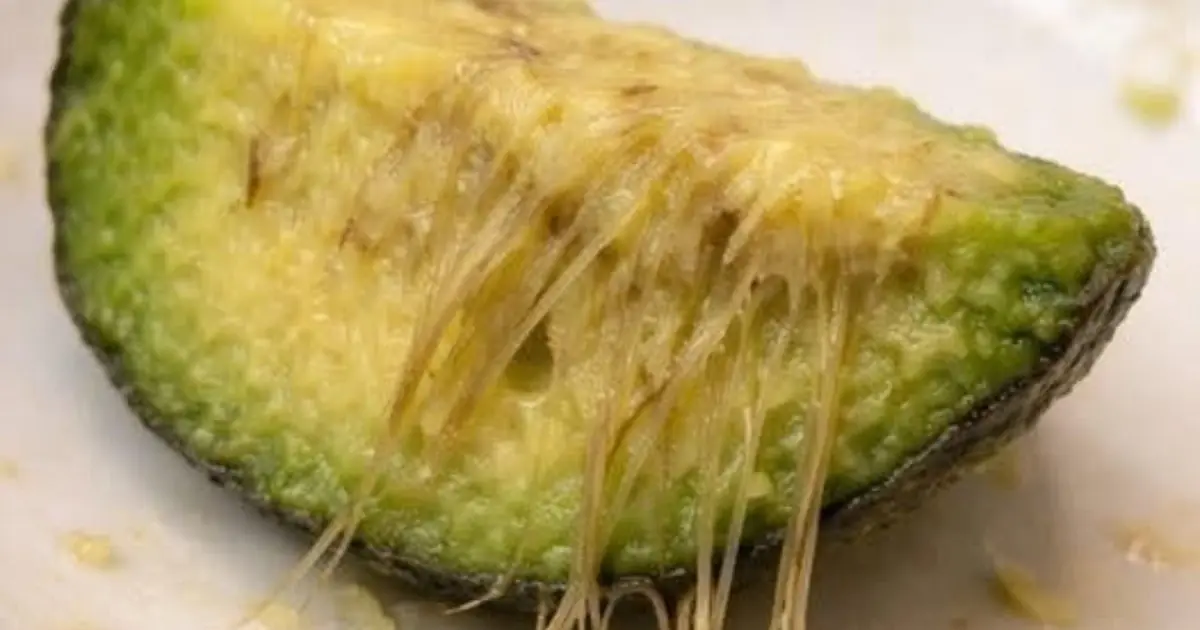
Those strange avocado strings may reveal more than you think.
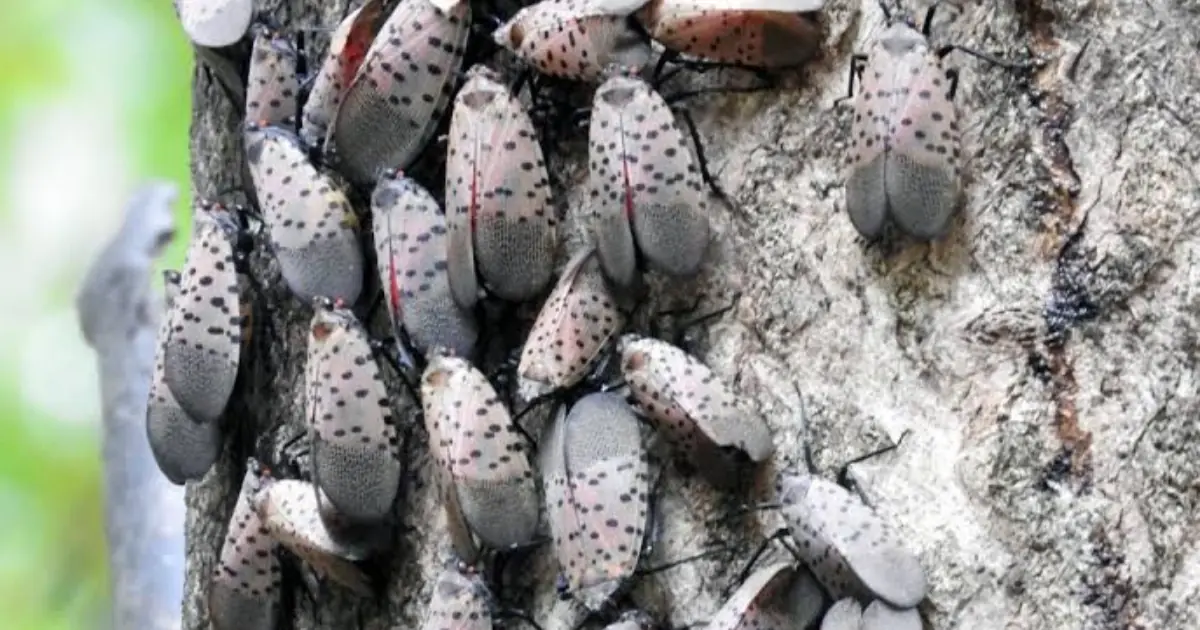
Spotted These Bugs Around Your Home? Here’s What You Should Know
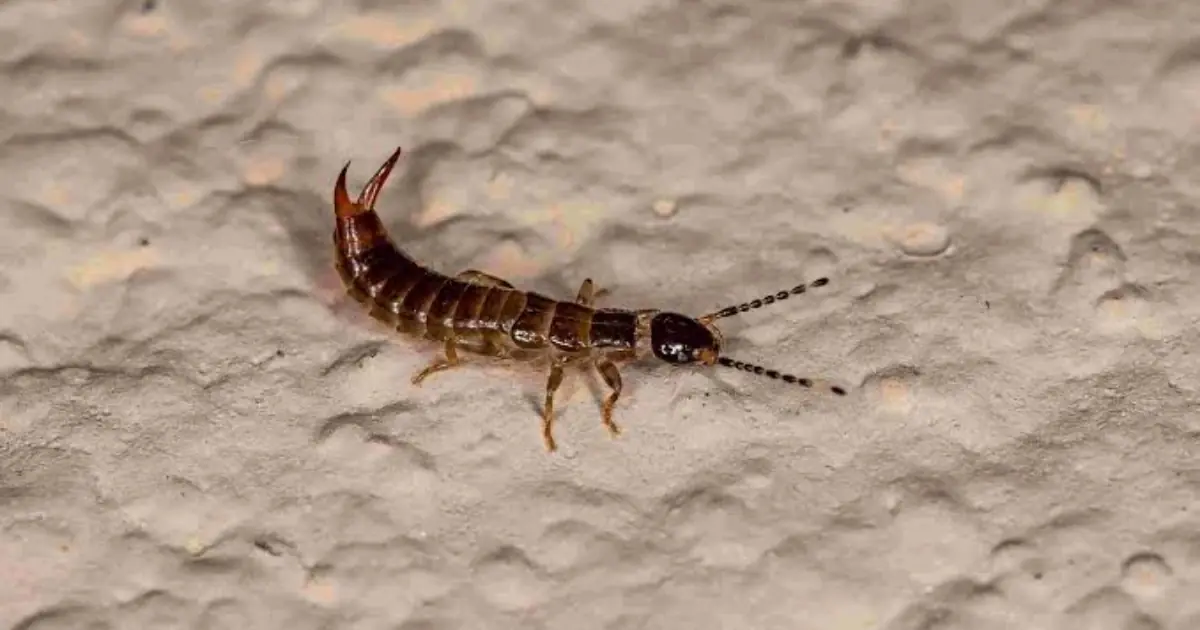
Spotted This Insect in Your House? Here’s What It Could Mean
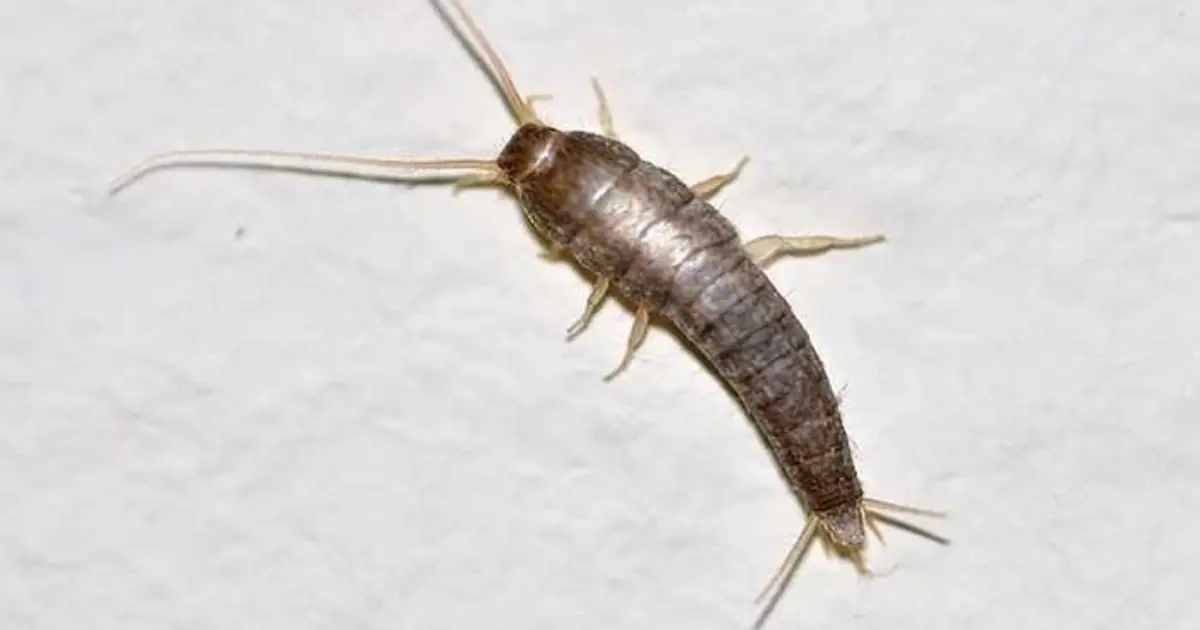
Seeing Silverfish at Home? Here’s Why You Should Pay Attention
I Soaked My Berries in Salt Water and Found These Strange White Larvae - What Happened?
Found an Old Cast-Iron Tool With a Strap? Here’s What It Was Used For
What Does a Three-Point Tattoo Mean? The Story Behind the Symbol
At First, It Looked Like Wet Trash Then I Saw What Was Moving Inside
Why You Should Think Twice Before Tying a Ribbon to Your Suitcase?
Prominent hand veins are common, but sometimes they deserve attention.
Tiny white lumps in the throat may explain persistent bad breath.
Two warning signs at night seemed harmless until it was too late.
Bed bug bites can disrupt sleep and trigger itchy skin reactions.
The Secret Function of This Little Hole Has Surprised Millions
One Banana a Day? Experts Explain Why This Fruit Is So Powerful
These Vitamin B12 Deficiency Symptoms Are Easy to Miss
Don’t Ignore These 20 Possible Warning Signs of Cancer
Sharing a roof for two decades typically implies a foundation of deep shared memories, inside jokes, and an intuitive understanding of one another. Yet, for a surprising number of modern households, the reality of long-term cohabitation looks very differe
When we think of the Earth’s most remote and inaccessible frontiers, the Mariana Trench—plunging nearly 11,000 meters into the pitch-black abyss of the Pacific Ocean—is often imagined as a pristine sanctuary untouched by human hands. However, recent
In an era where household utility bills continue to climb, families are constantly searching for practical ways to cut back on energy consumption. While turning off lights and adjusting thermostats have become second nature, a silent culprit continues to
While often overlooked or considered an unconventional ingredient in many Western cuisines, chicken feet are celebrated as a prized culinary delicacy across much of Asia, Latin America, and parts of Europe. Beyond their unique texture and rich flavor when
Kidney stones and severe urinary issues are conditions most commonly associated with adults, making it deeply alarming when medical cases emerge involving young children. Recently, the puzzling case of a 9-year-old boy diagnosed with painful kidney stones
For centuries, humans have been captivated by riddles, brainteasers, and seemingly impossible questions that test the limits of logic and creativity. Whether encountered in old literature, modern social media feeds, or psychological aptitude tests, these
10 Early Warning Signs of Fatty Liver That Shouldn’t Be Ignored
Many people dismiss minor injuries—such as a tiny kitchen nick, a scraped knee, or an itchy insect bite—as everyday nuisances that will heal entirely on their own. While healthy bodies are remarkably adept at repairing minor skin damage, medical profe
In a fast-paced world dominated by constant consumption and digital noise, our homes often mirror the chaos of our daily lives. Piles of unused items, crowded counters, and overflowing closets can silently drain our energy. However, a growing movement tow
In an era where wellness trends and viral headlines often promise simple dietary hacks for longevity, claims surrounding "miracle foods" that can single-handedly ward off complex diseases are widespread. Among the most common queries are whether a specifi
Want to Protect Your Heart? Start by Taking This Out of Your Home
When Dogs Chase Strangers, There May Be More Behind It Than You Think