Uric acid is a natural waste product formed when the body breaks down substances called purines, which are found naturally in your body and in many foods. Normally, uric acid dissolves in the blood, passes through the kidneys, and is removed in urine. However, when the body produces too much uric acid or the kidneys cannot remove enough of it, uric acid levels can rise—a condition known as hyperuricemia.
Persistently high uric acid levels may increase the risk of developing gout, a form of inflammatory arthritis caused by the buildup of uric acid crystals in the joints. High uric acid may also be associated with kidney stones in some people.
Although medication is necessary for many individuals with gout or persistent hyperuricemia, diet can also play an important role. Choosing foods that support overall health while limiting foods high in purines may help maintain healthy uric acid levels.
Here are ten foods that may be beneficial as part of a uric acid-friendly diet.
1. Cherries
Cherries are among the most widely studied fruits in relation to gout.
They are rich in:
-
Anthocyanins
-
Vitamin C
-
Polyphenols
Some observational studies suggest that regular cherry consumption may be associated with a lower risk of gout flare-ups in people who already have gout. However, cherries are not a treatment for gout and should not replace prescribed medications.
Fresh, frozen, or unsweetened cherries are all nutritious choices.
2. Low-Fat Dairy Products
Low-fat milk, yogurt, and other dairy products are naturally low in purines.
Research suggests that consuming low-fat dairy may help support healthy uric acid levels.
Good options include:
-
Low-fat milk
-
Plain yogurt
-
Kefir
-
Cottage cheese
These foods also provide protein, calcium, and vitamin D.
3. Citrus Fruits
Oranges, grapefruit, lemons, and other citrus fruits are excellent sources of vitamin C.
Vitamin C may help support the body's natural elimination of uric acid through the kidneys.
Examples include:
-
Oranges
-
Tangerines
-
Grapefruit
-
Lemons
-
Limes
Whole fruits are generally preferable to fruit juices because they contain more fiber and less concentrated sugar.
4. Berries
Blueberries, strawberries, raspberries, and blackberries contain antioxidants and vitamin C.
These nutrient-rich fruits:
-
Support overall health
-
Provide dietary fiber
-
Are naturally low in purines
Including a variety of colorful berries in your diet contributes to a healthy eating pattern.

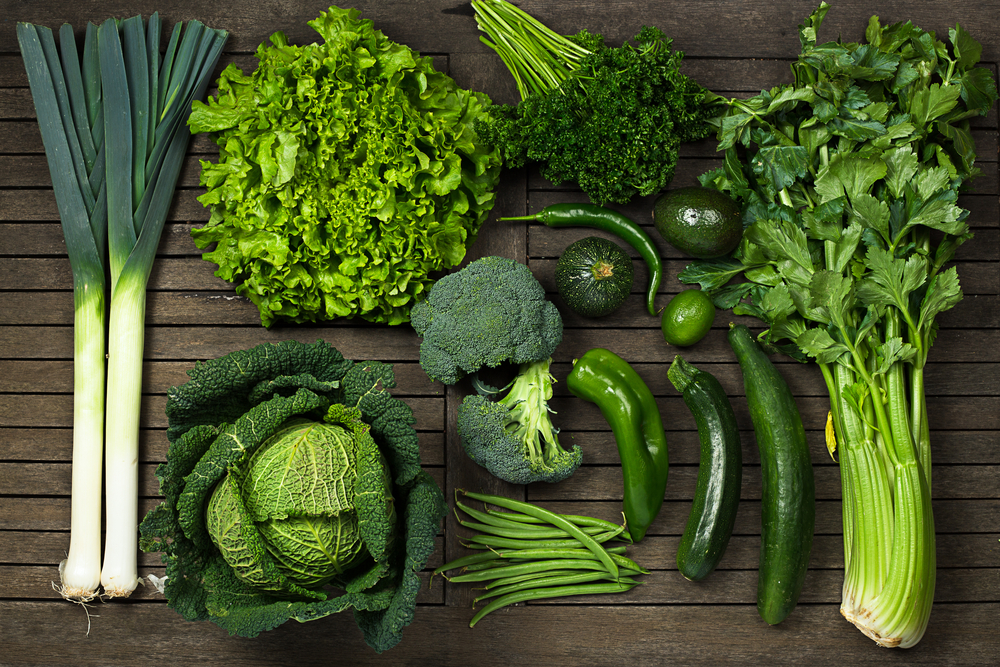
5. Vegetables
For many years, people with gout were advised to avoid vegetables naturally higher in purines, such as spinach, asparagus, mushrooms, and cauliflower.
Current research suggests these vegetables do not appear to increase the risk of gout attacks in the same way that high-purine animal foods can.
Aim to eat a wide variety of vegetables, including:
-
Leafy greens
-
Broccoli
-
Bell peppers
-
Carrots
-
Tomatoes
-
Cucumbers
Vegetables are rich in fiber, vitamins, minerals, and beneficial plant compounds.
6. Whole Grains
Whole grains provide complex carbohydrates and dietary fiber.
Healthy choices include:
-
Oats
-
Brown rice
-
Quinoa
-
Whole wheat bread
-
Barley
Replacing refined grains with whole grains may support overall metabolic health.
7. Nuts and Seeds
Nuts and seeds contain healthy unsaturated fats, plant protein, fiber, vitamins, and minerals.
Examples include:
-
Almonds
-
Walnuts
-
Pistachios
-
Chia seeds
-
Flaxseeds
-
Pumpkin seeds
Enjoy them in moderation because they are calorie-dense, but they are generally considered suitable for a uric acid-friendly diet.
8. Coffee
Research suggests that regular coffee consumption may be associated with a lower risk of developing gout in some populations.
Scientists continue to study the reasons behind this association.
However:
-
Coffee is not recommended as a treatment for gout.
-
Individual tolerance varies.
-
People sensitive to caffeine should consume it in moderation.
If you do not currently drink coffee, there is no need to start solely for uric acid management.
9. Water
Water may be one of the simplest yet most important tools for maintaining healthy uric acid levels.
Adequate hydration helps the kidneys remove waste products, including uric acid.
Aim to drink enough fluids throughout the day, especially in hot weather or during exercise.
Your individual fluid needs depend on factors such as:
-
Activity level
-
Climate
-
Overall health
-
Kidney function
10. Vitamin C-Rich Fruits and Vegetables
In addition to citrus fruits, many other foods provide vitamin C.
Examples include:
-
Kiwi
-
Guava
-
Papaya
-
Bell peppers
-
Broccoli
-
Brussels sprouts
Eating a variety of vitamin C-rich foods supports overall nutrition and may contribute to healthy uric acid balance.
Foods to Limit If You Have High Uric Acid
While focusing on healthy foods is important, limiting certain foods may also help.
Examples include:
-
Organ meats (such as liver and kidneys)
-
Anchovies
-
Sardines
-
Mussels
-
Herring
-
Some shellfish
-
Large amounts of red meat
-
Sugar-sweetened beverages, especially those containing high-fructose corn syrup
-
Excessive alcohol, particularly beer and spirits
You do not necessarily need to eliminate these foods completely, but moderation is often recommended.
Lifestyle Habits That Support Healthy Uric Acid Levels
Diet is only one part of managing uric acid.
Other healthy habits include:
-
Maintaining a healthy weight.
-
Exercising regularly.
-
Staying well hydrated.
-
Limiting alcohol intake.
-
Avoiding crash diets and prolonged fasting.
-
Managing blood pressure, cholesterol, and blood sugar.
-
Following prescribed medications if recommended by your healthcare provider.
A comprehensive lifestyle approach is generally more effective than relying on any single food.
Common Myths About Uric Acid
Myth: One food can dramatically lower uric acid.
Fact: No single food can reliably reduce uric acid on its own. Overall dietary patterns and medical treatment, when necessary, are far more important.
Myth: Everyone with high uric acid develops gout.
Fact: Many people with elevated uric acid never develop gout, while others may experience gout attacks despite only modestly elevated levels.
Myth: People with gout should avoid all protein.
Fact: Lean protein sources, low-fat dairy, legumes, and plant proteins can be part of a balanced diet. The goal is to limit certain high-purine animal foods—not eliminate protein altogether.
Myth: Drinking more water cures gout.
Fact: Staying hydrated supports kidney function and uric acid excretion, but water alone cannot cure gout or replace prescribed medications.
When Should You See a Healthcare Professional?
Consult a healthcare provider if you experience:
-
Sudden, severe joint pain, especially in the big toe, ankle, or knee.
-
Recurrent episodes of joint swelling and redness.
-
Kidney stones.
-
Persistently elevated uric acid levels on blood tests.
-
Symptoms that do not improve despite lifestyle changes.
If you have been diagnosed with gout, do not stop prescribed medications without medical advice.

The Bottom Line
Maintaining healthy uric acid levels involves more than avoiding a few foods. A balanced diet rich in cherries, low-fat dairy products, fruits, vegetables, whole grains, nuts, seeds, and plenty of water may help support healthy uric acid balance while providing many other nutritional benefits. At the same time, limiting high-purine foods, sugary beverages, and excessive alcohol can further reduce the risk of elevated uric acid.
Although diet is an important part of managing hyperuricemia and gout, it is not a substitute for medical treatment. If you have frequent gout attacks, kidney stones, or persistently high uric acid levels, work with your healthcare provider to develop a personalized treatment plan that may include lifestyle changes, medications, or both.