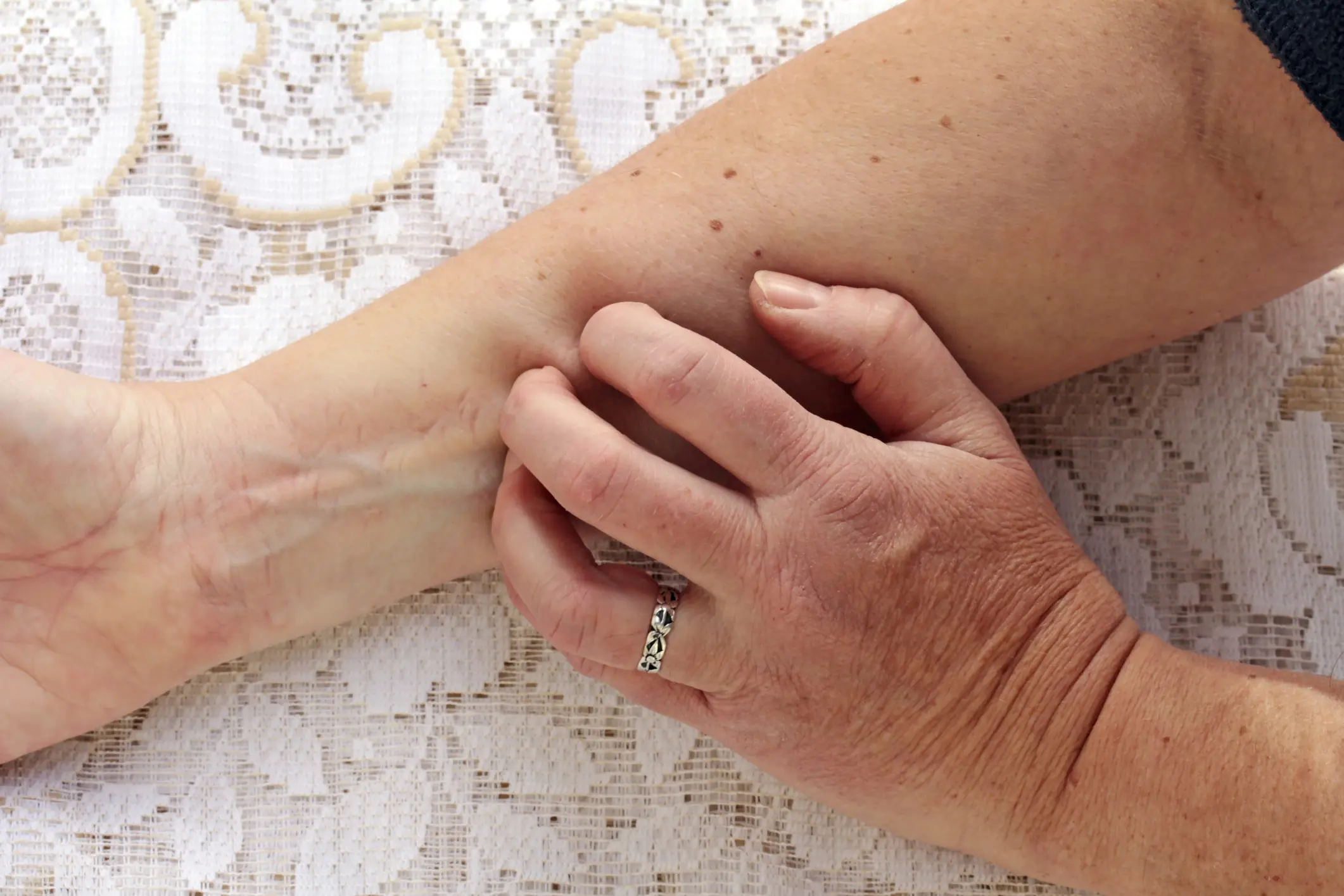
These 9 Itching Symptoms Might Reveal More About Your Health Than You Think
🛑 Itching in These Areas Could Be Your Body Asking for Attention—9 Signs to Know 👇
Health 18/07/2026 18:07

Menstrual cramps, also known as dysmenorrhea, are a common part of the menstrual cycle for many women. They occur when the uterus contracts to shed its lining, a process triggered by hormone-like substances called prostaglandins. While mild cramps are normal, severe or persistent pain should be evaluated by a healthcare professional.
If you're looking for ways to ease period pain, here are 10 evidence-based strategies that may help.
Heat therapy is one of the most effective non-drug treatments for menstrual cramps.
Using a heating pad, hot water bottle, or heat patch on your lower abdomen may help:
Relax uterine muscles.
Improve blood flow.
Reduce cramping pain.
Many studies have found that heat can provide relief comparable to some over-the-counter pain medications for mild to moderate cramps.
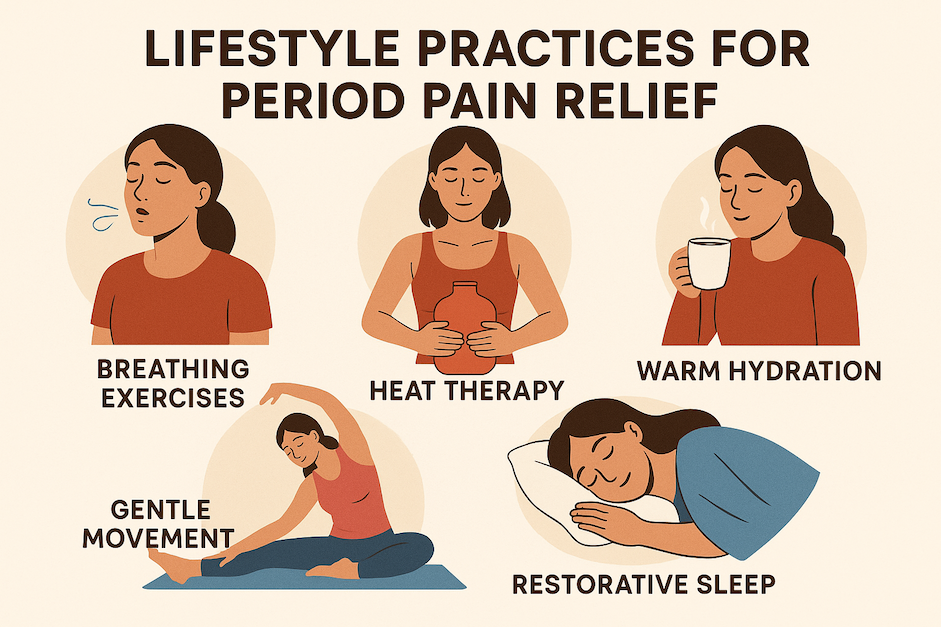
Although exercise may be the last thing you feel like doing, gentle physical activity can help reduce menstrual pain.
Consider:
Walking.
Yoga.
Stretching.
Swimming.
Light cycling.
Exercise promotes the release of endorphins, the body's natural pain-relieving chemicals.
Nonsteroidal anti-inflammatory drugs (NSAIDs), such as ibuprofen or naproxen, are often the first-line treatment for menstrual cramps.
These medications work by reducing prostaglandin production, helping to relieve pain and inflammation.
Always follow the dosing instructions and consult your healthcare provider if you have certain medical conditions or cannot take NSAIDs.
Staying hydrated may help reduce bloating and support overall comfort during your period.
Warm beverages, such as herbal tea or warm water with lemon, may also provide a soothing effect.
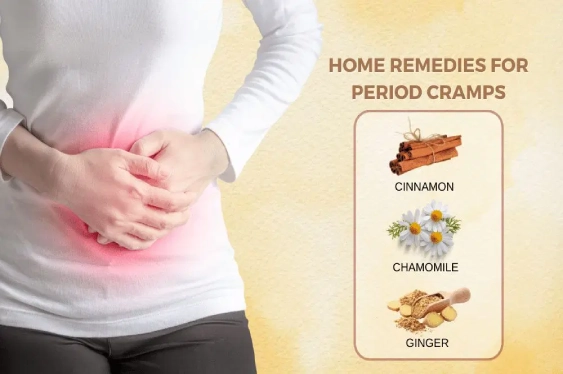
A balanced diet may help reduce inflammation and support menstrual health.
Foods that may be beneficial include:
Leafy green vegetables.
Berries.
Fatty fish rich in omega-3s.
Nuts and seeds.
Whole grains.
Olive oil.
Limiting highly processed foods and excess sugar may also be helpful.
Magnesium plays an important role in muscle relaxation.
Foods rich in magnesium include:
Pumpkin seeds.
Almonds.
Spinach.
Black beans.
Avocados.
Dark chocolate (in moderation).
Some studies suggest magnesium may help reduce menstrual cramping in certain individuals.
Massaging the lower abdomen with light pressure may help relax tense muscles.
Some people find additional comfort by using massage oils or applying gentle circular movements for several minutes.
Poor sleep can increase pain sensitivity and fatigue.
Aim for:
7–9 hours of sleep each night.
A consistent sleep schedule.
A comfortable sleep environment.
Quality sleep supports the body's natural recovery processes.
Stress can make menstrual symptoms feel more intense.
Helpful relaxation techniques include:
Deep breathing exercises.
Meditation.
Mindfulness.
Gentle stretching.
Listening to calming music.
Managing stress may improve both physical and emotional symptoms during menstruation.
For women with frequent or severe menstrual cramps, healthcare providers may recommend hormonal contraceptives.
Birth control pills, patches, hormonal IUDs, or other hormonal methods can reduce prostaglandin production and often make periods lighter and less painful.
These treatments should only be used after discussing the benefits and risks with a qualified healthcare professional.
Including the following foods in your diet may support overall menstrual health:
Ginger.
Salmon and other oily fish.
Bananas.
Yogurt.
Leafy greens.
Walnuts.
Chia seeds.
Oats.
These foods provide nutrients such as omega-3 fatty acids, magnesium, calcium, and antioxidants that support normal muscle and nerve function.
Seek medical attention if you experience:
Severe pain that interferes with daily activities.
Menstrual cramps that suddenly become much worse.
Pain lasting beyond your period.
Heavy bleeding requiring frequent pad or tampon changes.
Fever, unusual vaginal discharge, or pelvic pain unrelated to menstruation.
Severe menstrual pain may be caused by conditions such as endometriosis, adenomyosis, uterine fibroids, or pelvic inflammatory disease.
Menstrual cramps are common, but they don't have to disrupt your life. Applying heat, staying active, eating a balanced diet, managing stress, getting enough sleep, and using appropriate pain relievers can all help reduce discomfort.
If your cramps are severe, worsening, or accompanied by other concerning symptoms, consult a healthcare professional. Effective treatments are available, and identifying any underlying condition is important for your long-term reproductive health.
🛑 Itching in These Areas Could Be Your Body Asking for Attention—9 Signs to Know 👇
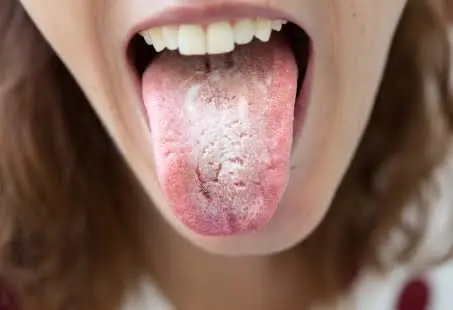
👅 A White Tongue May Be More Than Just a Cosmetic Concern
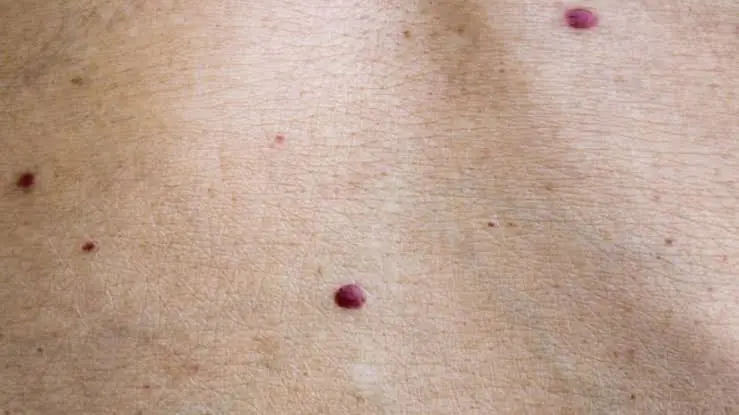
Tiny Red Dots on Your Body? Don't Ignore These Possible Causes
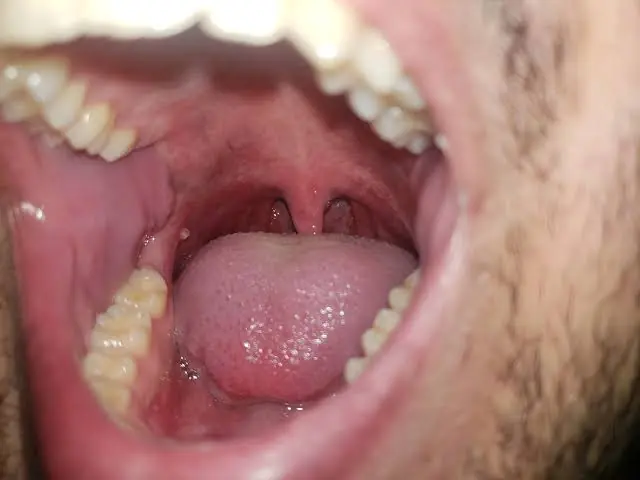
😨 Your Mouth Could Be Sending Early Health Warnings—Here's What to Look For

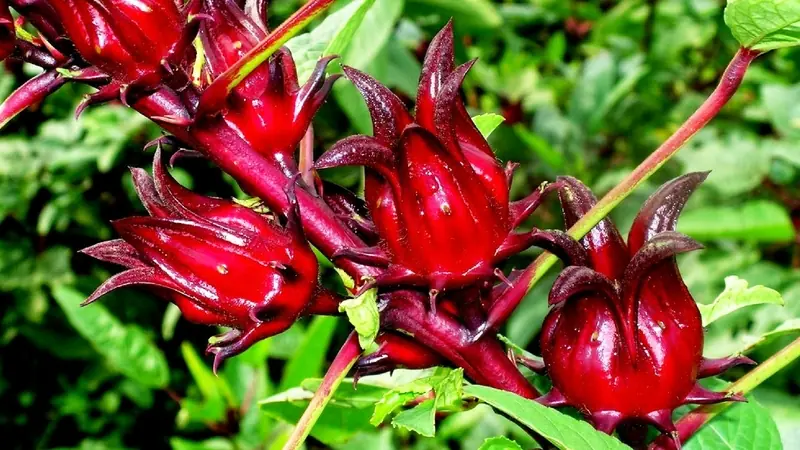
Roselle and Your Health: What Current Research Suggests
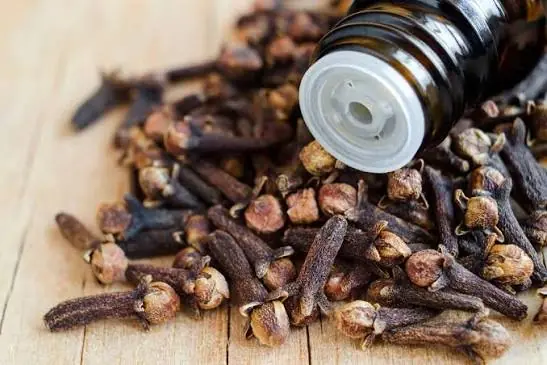
How Cloves May Support Your Health: Benefits and Precautions

7 Unusual Morning Symptoms That Shouldn't Be Overlooked







3 Nighttime Symptoms That Could Be Worth Discussing With Your Doctor

Certain Changes in Your Hands Could Be Linked to Underlying Lung Conditions
🛑 Itching in These Areas Could Be Your Body Asking for Attention—9 Signs to Know 👇
👅 A White Tongue May Be More Than Just a Cosmetic Concern
Tiny Red Dots on Your Body? Don't Ignore These Possible Causes
😨 Your Mouth Could Be Sending Early Health Warnings—Here's What to Look For
Roselle and Your Health: What Current Research Suggests
How Cloves May Support Your Health: Benefits and Precautions
7 Unusual Morning Symptoms That Shouldn't Be Overlooked
10 Aloe Vera Uses That May Surprise You