
Cloves: Traditional Uses, Modern Research and Potential Health Benefits
How Cloves May Support Your Health: Benefits and Precautions
Health 18/07/2026 16:28
Most people think of the lungs as organs that affect breathing, but their health can sometimes be reflected in other parts of the body—including the hands. Although changes in your hands cannot diagnose a lung condition on their own, certain physical signs may provide important clues that deserve medical attention, especially when they occur alongside symptoms such as persistent cough, shortness of breath, chest pain, or unexplained fatigue.
It's important to remember that most hand changes are not caused by lung disease. Aging, arthritis, injuries, circulation problems, nutritional deficiencies, and many other medical conditions can also affect the appearance of the hands. However, recognizing unusual or persistent changes can encourage earlier medical evaluation when necessary.
Let's explore several hand changes that have been associated with lung health and what current medical evidence suggests.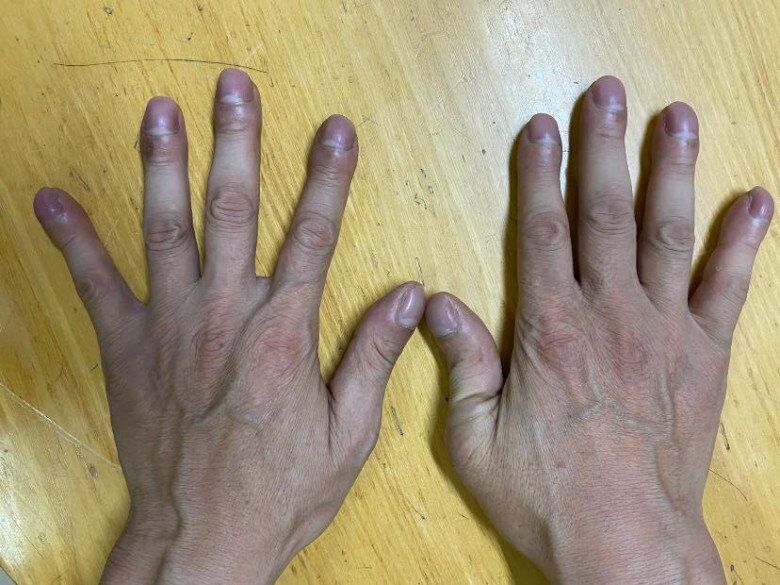
Yes sometimes.
The lungs supply oxygen to the bloodstream, and oxygen is essential for every organ and tissue in the body. When lung function is significantly affected over time, certain physical changes may develop elsewhere, including in the fingers, nails, and skin.
These signs are not specific to lung disease, but they may provide useful information when considered together with other symptoms and medical history.
One of the best-known hand changes associated with lung disease is digital clubbing, also called finger clubbing.
People with clubbing may notice:
Fingertips becoming enlarged or rounded
Nails curving more than usual
Nails appearing shinier
Loss of the normal angle between the nail and the skin
Fingers taking on a bulb-like appearance
This change usually develops gradually over months or years.
Clubbing has been associated with several conditions, including:
Chronic lung diseases
Certain lung cancers
Bronchiectasis
Cystic fibrosis
Pulmonary fibrosis
However, clubbing may also occur with:
Certain heart diseases
Liver disease
Inflammatory bowel disease
Rare inherited conditions
Not everyone with lung disease develops clubbing, and not everyone with clubbing has a lung disorder.
A bluish color affecting the fingers or fingernails is called cyanosis.
This may occur when the blood carries lower-than-normal levels of oxygen.
Possible symptoms include:
Blue fingertips
Blue nail beds
Blue lips
Cold hands
Possible causes include:
Lung disease
Heart disease
Poor circulation
Exposure to very cold temperatures
Sudden or severe cyanosis—especially if accompanied by difficulty breathing or chest pain—is a medical emergency requiring immediate attention.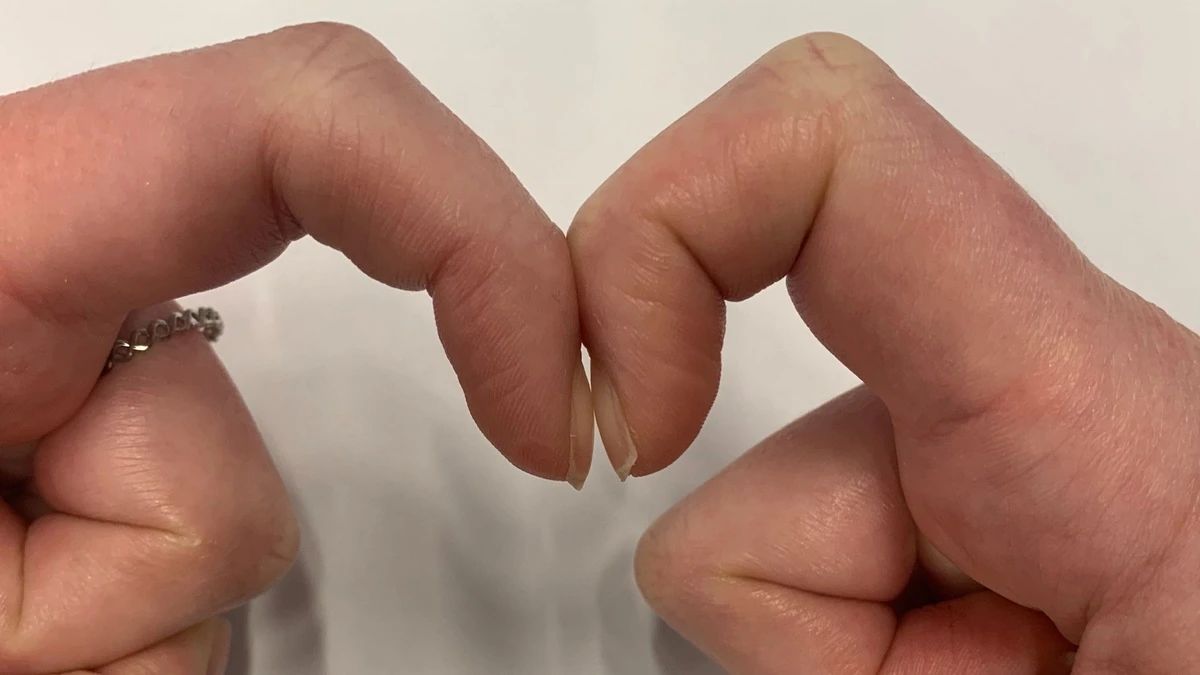
Pale fingernails can have many causes.
They may sometimes be associated with:
Anemia
Poor circulation
Nutritional deficiencies
Chronic illness
Although not specific to lung disease, persistent changes in nail color deserve medical evaluation.
Swelling in the fingers may result from many conditions, including:
Arthritis
Injury
Fluid retention
Autoimmune diseases
In rare cases, certain lung disorders associated with inflammation may contribute to swelling or changes in the joints of the hands.
Because swelling has many possible causes, it should never be interpreted as evidence of lung disease without proper medical assessment.
Some people with chronic lung conditions experience hand tremors.
Possible reasons include:
Certain inhaled medications
Low oxygen levels
Anxiety
Fatigue
Many medications used to treat asthma or chronic obstructive pulmonary disease (COPD), particularly beta-agonist inhalers, can temporarily cause mild hand shaking.
If tremors become severe or persistent, discuss them with your healthcare provider.
While hand changes may occasionally provide clues, symptoms directly involving the lungs are generally more important.
These include:
Persistent cough lasting more than three weeks
Shortness of breath
Wheezing
Chest pain
Coughing up blood
Recurrent lung infections
Unexplained weight loss
Ongoing fatigue
These symptoms deserve medical evaluation, particularly if they persist or worsen.
Many different lung diseases can affect breathing.
Examples include:
A chronic condition in which the airways become inflamed and narrowed.
A group of lung diseases that make breathing difficult, often associated with long-term smoking or exposure to harmful particles.
A condition in which lung tissue becomes scarred, making breathing more difficult.
Lung cancer may produce symptoms such as persistent cough, coughing up blood, chest pain, weight loss, or shortness of breath.
Many early cases, however, produce few or no symptoms.
An infection that inflames the air sacs in the lungs.
While not every lung disease can be prevented, several healthy habits may help lower the risk of certain conditions.
Smoking remains the leading preventable cause of lung disease.
Quitting smoking benefits the lungs at any age.
Regular exercise helps improve cardiovascular fitness and supports healthy lung function.
Reducing exposure to:
Tobacco smoke
Dust
Chemical fumes
Poor indoor air quality
may help protect respiratory health.
Vaccines such as influenza and pneumococcal vaccines may reduce the risk of certain respiratory infections in eligible individuals.
A diet rich in fruits, vegetables, whole grains, and lean proteins supports overall health, including immune function.
False.
Although clubbing can occur with some lung cancers, it has many other possible causes, and many people with lung cancer never develop clubbing.
False.
Cold temperatures, circulation problems, and heart conditions can also cause bluish discoloration.
False.
Many serious lung diseases produce no visible changes in the hands, especially during the early stages.
Arrange a medical evaluation if you notice:
New finger clubbing
Persistent blue discoloration of the fingers or lips
Ongoing shortness of breath
A cough lasting longer than three weeks
Chest pain
Coughing up blood
Unexplained weight loss
Persistent fatigue accompanied by breathing problems
These symptoms do not necessarily indicate lung disease, but they deserve professional assessment.
Seek emergency medical care immediately if you develop sudden difficulty breathing, severe chest pain, or rapidly developing blue lips or fingertips.
If a healthcare provider suspects a lung problem, they may recommend:
A physical examination
Pulse oximetry to measure oxygen levels
Chest X-ray
Chest CT scan
Pulmonary function tests
Blood tests
Bronchoscopy in selected cases
The appropriate evaluation depends on your symptoms, medical history, and overall health.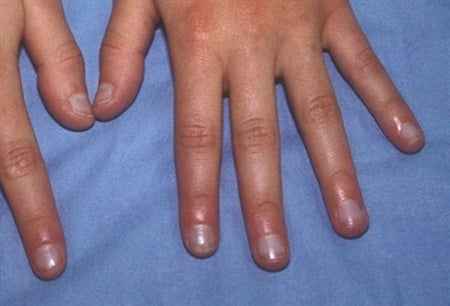
Your hands can sometimes provide valuable clues about your overall health, and in certain situations, changes such as finger clubbing, bluish fingertips, or unusual nail changes may be associated with underlying lung conditions. However, these signs are not specific to lung disease and should never be used to diagnose a medical condition on their own.
Most hand changes have more common explanations, including aging, circulation problems, nutritional deficiencies, or joint disorders. The key is to pay attention to persistent or unusual changes—especially if they occur together with symptoms such as chronic cough, shortness of breath, chest pain, or unexplained weight loss.
Rather than self-diagnosing based on physical signs, consider them an opportunity to seek timely medical advice. Early evaluation can help identify the cause, whether it is related to the lungs or another treatable health condition, and provide the best path toward appropriate care.
How Cloves May Support Your Health: Benefits and Precautions
7 Unusual Morning Symptoms That Shouldn't Be Overlooked









3 Nighttime Symptoms That Could Be Worth Discussing With Your Doctor

The Potential Benefits of Red Onion and Ginger in a Balanced Diet

Doctors Say These 6 Drinks May Help Support Healthy Muscles and Stronger Legs
The Potential Health Benefits of Guava Leaves Explained
Don't Ignore a Tongue Ulcer That Won't Heal

Recognizing these early diabetes symptoms may help prevent serious complications.
Noticed Spots on Your Hands? Here's What They May Indicate
Don't Ignore Tinnitus—It May Signal More Than Hearing Loss
How Cloves May Support Your Health: Benefits and Precautions
7 Unusual Morning Symptoms That Shouldn't Be Overlooked

10 Aloe Vera Uses That May Surprise You
3 Nighttime Symptoms That Could Be Worth Discussing With Your Doctor
The Potential Benefits of Red Onion and Ginger in a Balanced Diet
Doctors Say These 6 Drinks May Help Support Healthy Muscles and Stronger Legs