Cloves: Traditional Uses, Modern Research and Potential Health Benefits
How Cloves May Support Your Health: Benefits and Precautions
Health 18/07/2026 16:28
For generations, people around the world have turned to simple kitchen ingredients not only to enhance the flavor of meals but also to support overall wellness. Among these traditional combinations, red onion and ginger have remained especially popular. Whether added to soups, stir-fries, herbal drinks, or homemade broths, these two ingredients are valued for their distinctive flavors and impressive nutritional profiles.
Modern research has revealed that both red onions and ginger contain a variety of vitamins, minerals, and beneficial plant compounds. While scientists continue to study their potential health effects, it's important to remember that no single food or homemade tonic can prevent, treat, or cure disease. Instead, these ingredients can be part of a balanced, nutrient-rich diet that supports overall health.
Here's what current research and nutrition experts want you to know.

Red onions provide natural antioxidants, dietary fiber, vitamins, and sulfur-containing compounds, while ginger is well known for its aromatic compounds such as gingerols and shogaols.
Together, they offer:
A rich source of beneficial plant compounds
Bold flavor with minimal calories
Versatility in cooking
A simple way to add more whole foods to everyday meals
Although this combination has been used traditionally for generations, many claimed medicinal effects still require more high-quality scientific research.
Both red onions and ginger contain antioxidants that help protect cells from oxidative stress.
Quercetin
Anthocyanins (responsible for the purple-red color)
Flavonoids
Gingerols
Shogaols
Zingerone
These naturally occurring compounds are being studied for their biological activity and potential role in supporting overall health.
A diet rich in colorful fruits, vegetables, herbs, and spices provides a wide variety of antioxidants.
Heart health depends on many lifestyle factors, including nutrition, physical activity, adequate sleep, and avoiding tobacco.
Both red onions and ginger contribute nutrients that may support cardiovascular wellness.
Research suggests that diets rich in vegetables and antioxidant-containing foods are associated with better heart health.
However, eating onions and ginger alone should not be considered a treatment for heart disease.
Neither onions nor ginger can "boost" immunity in a way that prevents illness.
However, they contribute nutrients that support the normal functioning of the immune system.
For example:
Red onions provide vitamin C and antioxidants.
Ginger contains plant compounds being studied for their role in immune function.
Healthy immunity depends on many factors, including:
Balanced nutrition
Adequate sleep
Physical activity
Stress management
Recommended vaccinations
Ginger has been widely studied for its role in digestive health.
Research suggests it may help:
Support normal stomach emptying
Reduce occasional nausea
Improve digestive comfort for some individuals
Meanwhile, onions provide dietary fiber that supports healthy digestion and nourishes beneficial gut bacteria.
If you are not accustomed to eating large amounts of onions, increase your intake gradually, as they may cause bloating in some people.
Red onions belong to the allium family, which also includes garlic, leeks, and shallots.
They contain sulfur-containing compounds that contribute to:
Their distinctive aroma
Flavor
Ongoing research into potential health effects
Scientists continue studying these naturally occurring compounds and their role within healthy dietary patterns.
One of ginger's most well-known compounds is gingerol.
Researchers have investigated gingerol for its antioxidant and anti-inflammatory properties in laboratory and clinical studies.
Although results are promising, ginger should be viewed as one component of a healthy diet rather than a substitute for medical treatment.
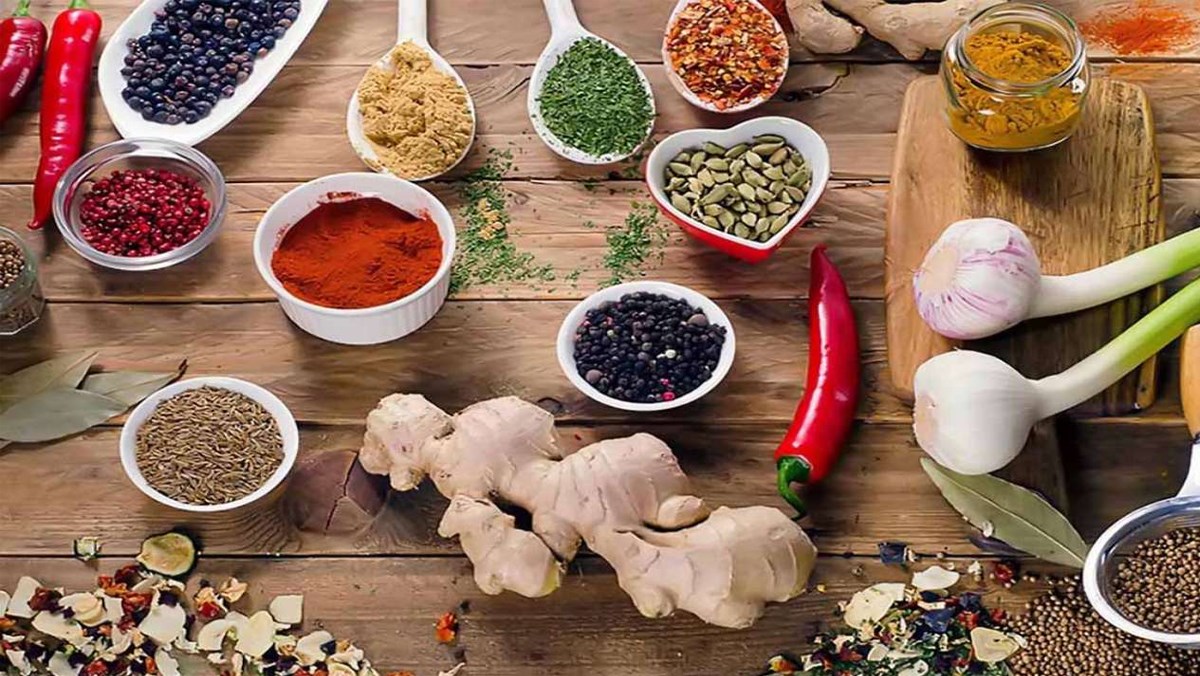
Both ingredients add significant flavor without adding many calories.
Replacing high-calorie sauces with herbs, spices, onions, and ginger is one simple strategy that may improve the nutritional quality of meals.
This makes the combination useful for people working toward healthy weight management.
Many people consume more sodium than recommended.
Using aromatic ingredients like red onion and ginger can help create flavorful meals while reducing the need for excessive salt.
This supports healthier cooking habits over time.
Red onion and ginger are extremely versatile.
Try adding them to:
Stir-fries
Soups
Curries
Rice dishes
Vegetable sautés
Marinades
Homemade broths
Salad dressings
Herbal teas (ginger)
Cooking with a variety of herbs and vegetables increases both flavor and nutritional diversity.
Nutrition experts consistently recommend eating more whole plant foods.
Red onions and ginger fit well into dietary patterns such as:
Mediterranean-style diets
DASH eating plans
Plant-forward diets
Balanced omnivorous diets
No single ingredient determines your health, but consistently choosing nutrient-rich foods can make a meaningful difference over time.
Some people prepare homemade drinks using sliced red onion and fresh ginger steeped in water.
While this beverage may be enjoyable, there is currently limited scientific evidence supporting specific health claims about such tonics.
If you choose to make one:
Use fresh, clean ingredients.
Avoid adding excessive sugar.
Treat it as a flavorful beverage—not a medicine.
Whole onions and fresh ginger eaten as part of meals provide valuable nutrients and fit well within a balanced diet.
Although both ingredients are safe for most healthy adults, some individuals should be mindful.
Large amounts may not be appropriate for people who:
Take blood-thinning medications
Have gallbladder disease
Experience frequent heartburn
Consult a healthcare provider before using large quantities or concentrated ginger supplements.
Some individuals with:
Irritable bowel syndrome (IBS)
Sensitivity to high-FODMAP foods
may experience bloating, gas, or digestive discomfort after eating onions.
Fact: While both ingredients contain beneficial plant compounds, there is no strong evidence that eating or drinking them cures bacterial or viral infections.
Fact: Your liver and kidneys are the body's primary detoxification organs. No food or drink has been proven to "flush out toxins."
Fact: Moderation matters. Excessive intake may cause digestive discomfort in some people.
Fact: Nutrient-rich foods support health, but they should never replace prescribed medical treatments.
To enjoy these ingredients as part of a healthy lifestyle:
Include them in a variety of home-cooked meals.
Pair them with colorful vegetables, fruits, legumes, and whole grains.
Use fresh ginger whenever possible for cooking.
Enjoy red onions raw or lightly cooked to preserve flavor and nutrients.
Limit added salt and sugar in recipes.
Healthy eating is about your overall dietary pattern not any single ingredient.
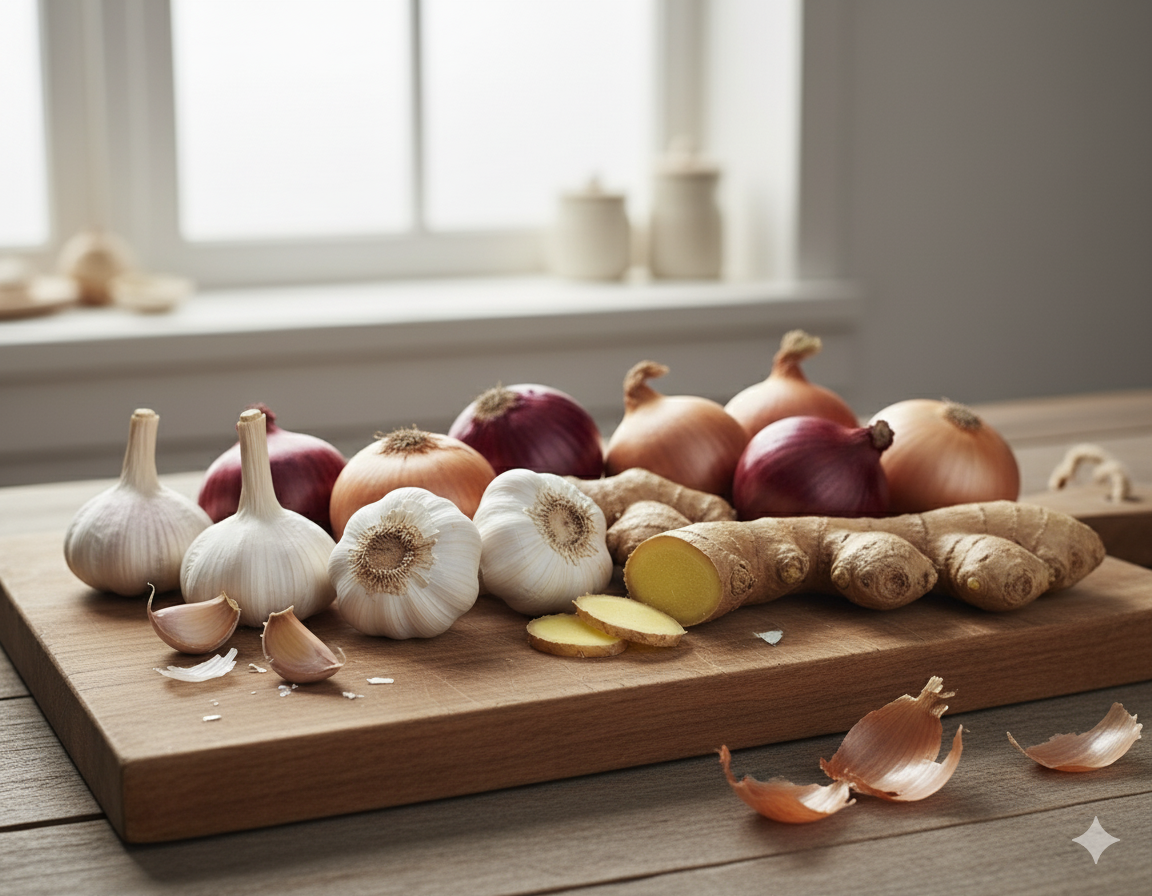
Red onion and ginger are two flavorful, nutrient-rich ingredients that have been used in traditional cooking for centuries. Red onions provide dietary fiber, vitamin C, quercetin, anthocyanins, and sulfur-containing compounds, while ginger is rich in bioactive compounds such as gingerols and shogaols. Together, they contribute antioxidants and plant compounds that may support heart health, digestive comfort, and overall wellness when included in a balanced diet.
Although this traditional combination has earned a reputation in home remedies, current scientific evidence does not support the idea that a red onion and ginger tonic can cure disease or replace medical treatment. The greatest benefits come from incorporating these ingredients into a varied, nutritious eating pattern alongside regular physical activity, sufficient sleep, stress management, and routine healthcare.
How Cloves May Support Your Health: Benefits and Precautions

7 Unusual Morning Symptoms That Shouldn't Be Overlooked










3 Nighttime Symptoms That Could Be Worth Discussing With Your Doctor

Certain Changes in Your Hands Could Be Linked to Underlying Lung Conditions

Doctors Say These 6 Drinks May Help Support Healthy Muscles and Stronger Legs
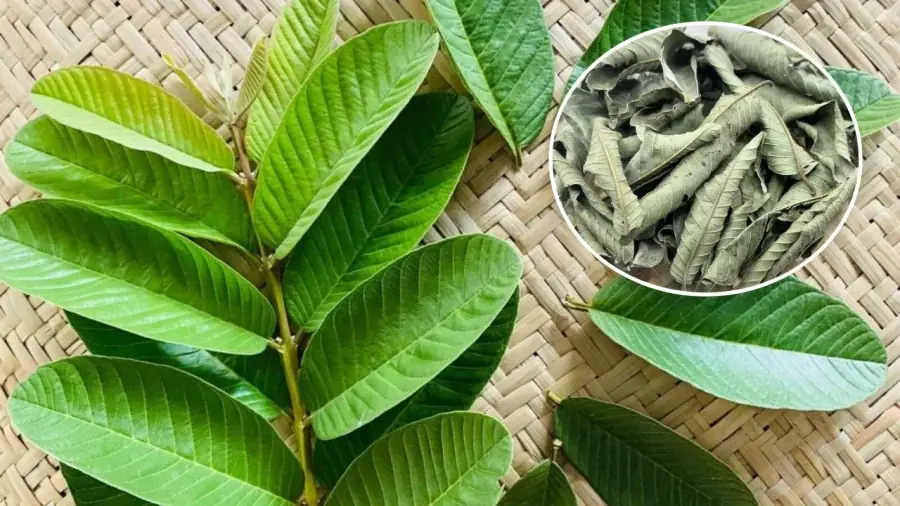
The Potential Health Benefits of Guava Leaves Explained

Don't Ignore a Tongue Ulcer That Won't Heal

Recognizing these early diabetes symptoms may help prevent serious complications.

Noticed Spots on Your Hands? Here's What They May Indicate

Don't Ignore Tinnitus—It May Signal More Than Hearing Loss
How Cloves May Support Your Health: Benefits and Precautions
7 Unusual Morning Symptoms That Shouldn't Be Overlooked

10 Aloe Vera Uses That May Surprise You

3 Nighttime Symptoms That Could Be Worth Discussing With Your Doctor
Certain Changes in Your Hands Could Be Linked to Underlying Lung Conditions
Doctors Say These 6 Drinks May Help Support Healthy Muscles and Stronger Legs