
10 Natural Ways to Relieve Menstrual Cramps: What Really Helps Period Pain?
Health 18/07/2026 16:59
A healthy digestive system does more than break down food—it helps your body absorb nutrients, supports your immune system, and contributes to your overall well-being. While no single food can guarantee perfect digestion, eating a balanced diet rich in fiber, probiotics, and other gut-friendly nutrients can help keep your digestive tract functioning smoothly.
Here are 10 of the best foods to support healthy digestion.
Yogurt is one of the best-known probiotic foods.
Many varieties contain live and active cultures that may help:
Support a healthy balance of gut bacteria.
Improve digestion.
Reduce the risk of antibiotic-associated diarrhea.
Choose plain yogurt with little or no added sugar for the greatest health benefits.
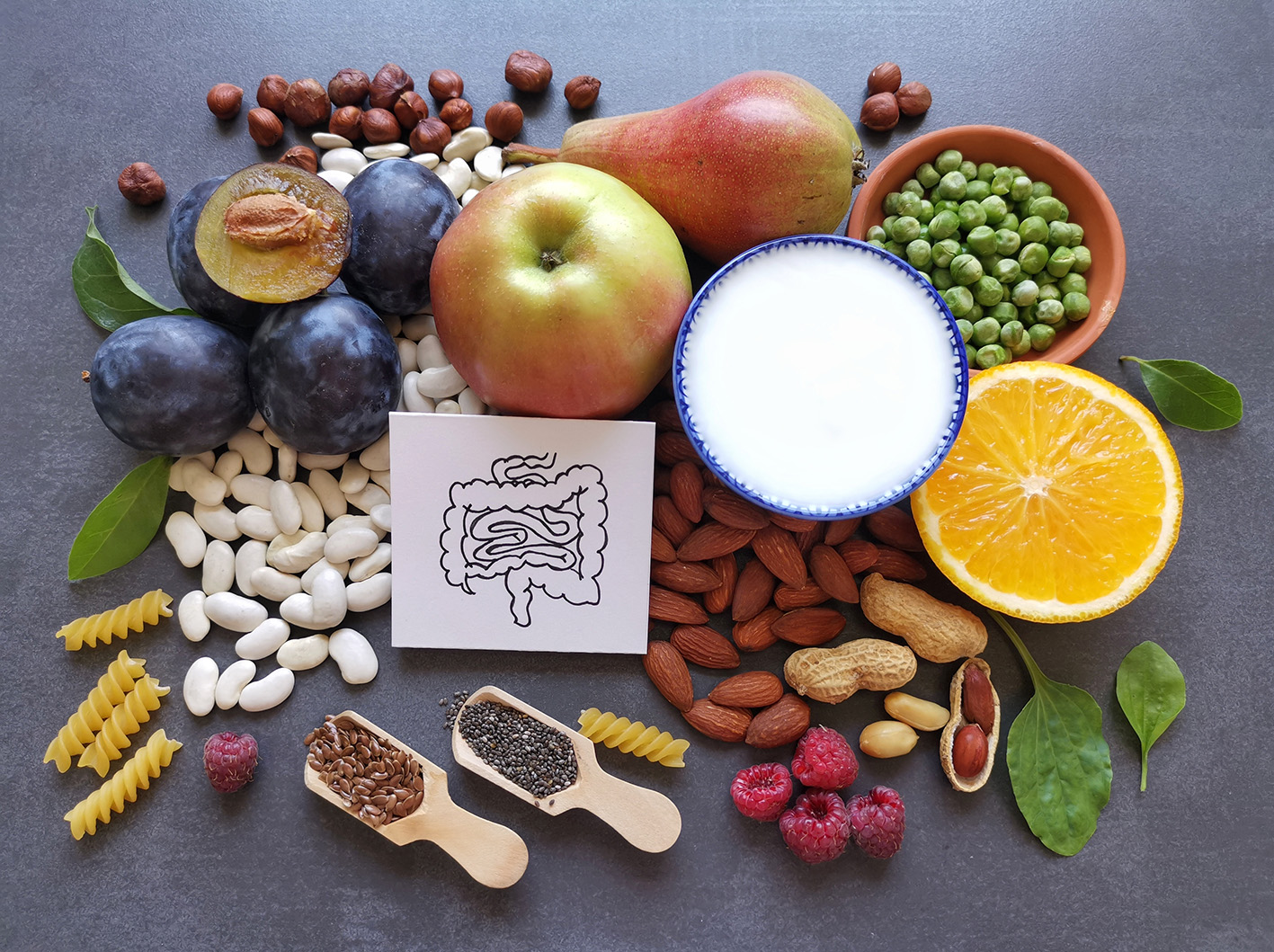
Oats are an excellent source of soluble fiber, particularly beta-glucan.
Fiber helps:
Promote regular bowel movements.
Feed beneficial gut bacteria.
Increase feelings of fullness.
Support overall digestive health.
A bowl of oatmeal is a simple way to start your day with gut-friendly nutrition.
Bananas are easy to digest and rich in pectin, a type of soluble fiber.
They may help:
Promote normal bowel function.
Replace potassium lost during diarrhea.
Support a healthy digestive tract.
Ripe bananas are generally well tolerated by people with sensitive stomachs.
Ginger has been used for centuries to support digestive health.
Research suggests it may help:
Reduce nausea.
Support normal stomach emptying.
Ease mild digestive discomfort.
Fresh ginger can be added to tea, soups, or stir-fries.
Apples contain both soluble fiber and pectin, which help nourish beneficial gut bacteria.
Regular apple consumption may support:
Healthy bowel movements.
A balanced gut microbiome.
Improved digestive function.
Eating the peel provides even more fiber.
Vegetables such as spinach, kale, and bok choy provide:
Fiber
Magnesium
Vitamins
Antioxidants
These nutrients support healthy digestion while feeding beneficial intestinal bacteria.
Aim to include leafy greens in your meals several times a week.
Kefir is a fermented milk beverage containing a wide variety of beneficial microorganisms.
Compared with regular yogurt, kefir often contains a greater diversity of probiotics that may support gut health and digestion.
Choose unsweetened varieties whenever possible.
Chia seeds are packed with soluble and insoluble fiber.
When soaked in liquid, they form a gel-like texture that may help:
Promote regular bowel movements.
Support healthy gut bacteria.
Improve stool consistency.
Be sure to drink enough water when increasing your fiber intake.
Papaya contains papain, a natural enzyme that helps break down proteins.
It also provides:
Vitamin C
Fiber
Antioxidants
Many people find papaya easy to digest, making it a refreshing choice after meals.
Fermented foods naturally contain beneficial bacteria that support a healthy gut microbiome.
Examples include:
Sauerkraut
Kimchi
Miso
Tempeh
Fermented vegetables
Adding fermented foods regularly may improve digestive health for some people.
Food is only part of maintaining a healthy digestive system.
These habits also make a difference:
Drink plenty of water.
Eat slowly and chew thoroughly.
Stay physically active.
Manage stress.
Get enough sleep.
Eat a variety of fiber-rich foods.
Together, these lifestyle choices help keep your digestive system functioning efficiently.
If you experience digestive discomfort, consider limiting:
Highly processed foods.
Fried foods.
Excessive alcohol.
Sugary beverages.
Large, heavy meals.
Excessively spicy foods if they trigger symptoms.
Everyone's digestive system is different, so identify your personal trigger foods.
Consult a healthcare professional if you experience:
Persistent abdominal pain.
Ongoing diarrhea or constipation.
Blood in your stool.
Unexplained weight loss.
Difficulty swallowing.
Digestive symptoms lasting more than a few weeks.
Persistent digestive symptoms may require medical evaluation.
Supporting your digestive system starts with a healthy diet. Foods such as yogurt, oats, bananas, ginger, apples, leafy greens, kefir, chia seeds, papaya, and fermented foods provide fiber, probiotics, and essential nutrients that help maintain a healthy gut.
Combined with regular exercise, adequate hydration, and healthy lifestyle habits, these foods can contribute to better digestion and overall well-being. If digestive problems persist, consult a healthcare professional for an accurate diagnosis and personalized treatment.

Roselle and Your Health: What Current Research Suggests

How Cloves May Support Your Health: Benefits and Precautions

7 Unusual Morning Symptoms That Shouldn't Be Overlooked









3 Nighttime Symptoms That Could Be Worth Discussing With Your Doctor

Certain Changes in Your Hands Could Be Linked to Underlying Lung Conditions
The Potential Benefits of Red Onion and Ginger in a Balanced Diet
Doctors Say These 6 Drinks May Help Support Healthy Muscles and Stronger Legs

The Potential Health Benefits of Guava Leaves Explained

Don't Ignore a Tongue Ulcer That Won't Heal

Recognizing these early diabetes symptoms may help prevent serious complications.
Roselle and Your Health: What Current Research Suggests


How Cloves May Support Your Health: Benefits and Precautions
7 Unusual Morning Symptoms That Shouldn't Be Overlooked

10 Aloe Vera Uses That May Surprise You

3 Nighttime Symptoms That Could Be Worth Discussing With Your Doctor
Certain Changes in Your Hands Could Be Linked to Underlying Lung Conditions
The Potential Benefits of Red Onion and Ginger in a Balanced Diet