When people think of the guava tree (Psidium guajava), the sweet, tropical fruit usually comes to mind. However, in many parts of Asia, Africa, Central America, and South America, guava leaves have also been used for centuries in traditional herbal practices. They are commonly brewed into herbal teas or included in traditional remedies for a variety of everyday health concerns.
In recent decades, scientists have become increasingly interested in guava leaves because they contain a wide range of naturally occurring plant compounds, including flavonoids, polyphenols, tannins, and other antioxidants. While laboratory and early clinical studies suggest that guava leaves may have several promising properties, more high-quality human research is needed to confirm many of these potential benefits.
It's important to remember that guava leaves should be viewed as a complementary part of a healthy lifestyle—not as a substitute for medical care or prescribed treatments.
Here's what current research and health experts want you to know.
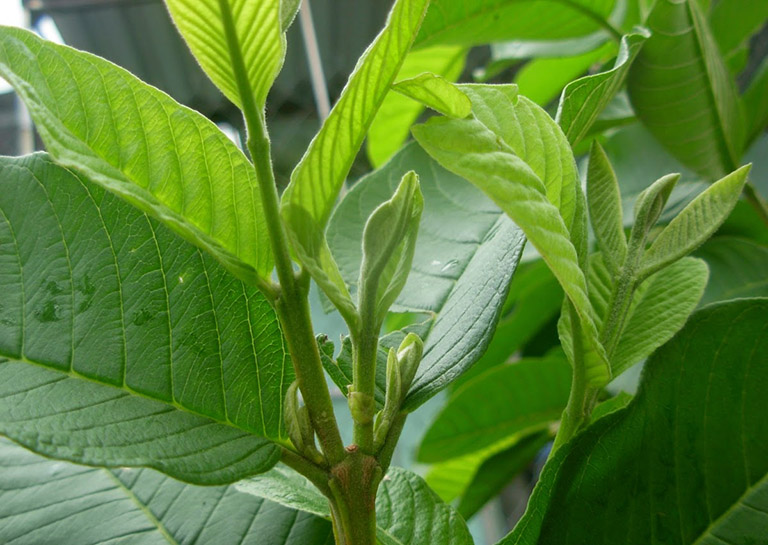
What Are Guava Leaves?
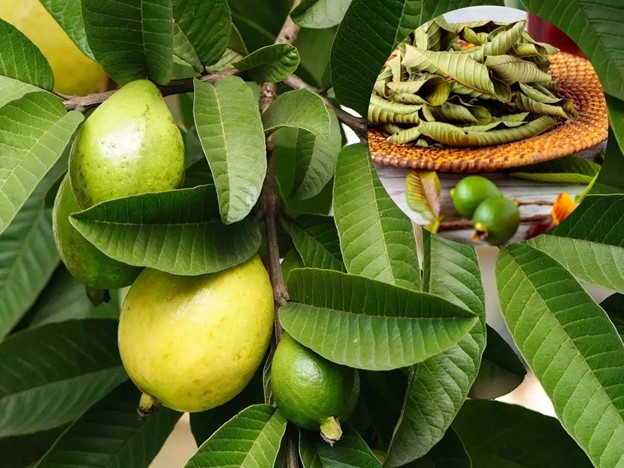
Guava leaves come from the guava tree (Psidium guajava), a tropical plant widely cultivated around the world.
Traditionally, the leaves have been prepared as:
-
Herbal tea
-
Decoctions
-
Topical rinses
-
Herbal extracts
The leaves contain numerous naturally occurring compounds that researchers continue to study for their biological activity.
Key Plant Compounds Found in Guava Leaves
Scientists have identified several beneficial phytochemicals in guava leaves, including:
-
Quercetin
-
Catechins
-
Flavonoids
-
Polyphenols
-
Tannins
-
Vitamin C (in smaller amounts)
-
Essential oils
These compounds contribute to the leaves' antioxidant activity and are responsible for much of the scientific interest surrounding guava leaves.
1. Rich in Antioxidants
One of the best-studied properties of guava leaves is their antioxidant content.
Antioxidants help protect cells from oxidative stress caused by unstable molecules called free radicals.
Oxidative stress is a normal part of metabolism, but excessive oxidative stress has been linked to aging and various chronic diseases.
Including antioxidant-rich plant foods and beverages as part of a balanced diet may support overall health.
2. May Support Healthy Blood Sugar Management
Some early human and laboratory studies have investigated whether guava leaf extracts may help support healthy blood glucose levels.
Researchers believe certain plant compounds in the leaves may influence carbohydrate digestion and glucose metabolism.
However:
-
Research findings remain mixed.
-
More large clinical studies are needed.
-
Guava leaves should never replace diabetes medications.
People with diabetes should continue following their healthcare provider's treatment plan.
3. May Support Heart Health
Heart health depends on many lifestyle factors, including nutrition, exercise, sleep, and avoiding tobacco.
Some preliminary research suggests guava leaf extracts may contribute to healthy cholesterol levels and cardiovascular wellness in certain individuals.
Scientists continue to investigate these potential effects.
Currently, there is insufficient evidence to recommend guava leaves as a treatment for heart disease.
4. May Have Anti-Inflammatory Properties
Inflammation is a normal immune response that helps the body heal after injury or infection.
Laboratory studies suggest compounds such as quercetin and other flavonoids found in guava leaves may possess anti-inflammatory properties.
However, findings from laboratory studies do not necessarily translate directly into proven clinical benefits for humans.
5. May Support Digestive Health
In traditional herbal medicine, guava leaf tea has long been used for digestive comfort.
Some preliminary studies suggest it may help support normal digestive function.
However, digestive symptoms have many possible causes, and persistent symptoms should be evaluated by a healthcare professional.
Maintaining adequate fiber intake, hydration, and a balanced diet remains the foundation of digestive health.
6. May Have Antimicrobial Activity
Researchers have observed that guava leaf extracts demonstrate antimicrobial activity against certain bacteria and other microorganisms in laboratory settings.
These findings are scientifically interesting, but laboratory results do not mean that drinking guava leaf tea can prevent or treat infections in people.
Anyone with signs of infection should seek appropriate medical care.
7. May Support Oral Health
In some cultures, guava leaves have traditionally been used as a mouth rinse.
Researchers are exploring whether compounds found in guava leaves may help reduce bacteria associated with oral health.
Good oral hygiene still depends on:
-
Brushing twice daily
-
Flossing
-
Regular dental checkups
-
Limiting sugary foods and drinks
8. Naturally Caffeine-Free
Unlike coffee or traditional tea, guava leaf tea contains no caffeine.
This makes it a popular choice for people who:
-
Limit caffeine intake
-
Prefer herbal beverages
-
Enjoy evening tea
Choosing unsweetened herbal tea instead of sugary beverages may also help reduce added sugar consumption.
9. May Be Part of a Healthy Weight Management Plan
Some people drink guava leaf tea while trying to lose weight.
At present, there is no strong evidence that guava leaves directly cause weight loss.
However, replacing high-calorie sugary drinks with unsweetened herbal tea may support healthy eating habits and reduce overall calorie intake.
Long-term weight management depends primarily on:
-
Balanced nutrition
-
Physical activity
-
Adequate sleep
-
Sustainable lifestyle habits
10. Easy to Prepare at Home
Many people enjoy homemade guava leaf tea.
A simple preparation method includes:
-
Washing fresh or dried guava leaves thoroughly.
-
Simmering or steeping them in hot water for several minutes.
-
Straining before drinking.
-
Enjoying the tea without excessive added sugar.
Preparation methods vary by region and personal preference.
Are Guava Leaves Safe?
For most healthy adults, guava leaf tea consumed in typical food or beverage amounts appears to be well tolerated.
However, caution is advised for certain individuals.
Speak with your healthcare provider before using guava leaf products if you:
-
Have diabetes and take blood sugar-lowering medications.
-
Are pregnant or breastfeeding.
-
Have chronic kidney or liver disease.
-
Take prescription medications that could interact with herbal products.
Because herbal supplements are not regulated in the same way as medications in many countries, product quality may vary.
Common Myths About Guava Leaves
Myth: Guava leaves cure diabetes.
Fact: Some studies suggest guava leaves may support healthy blood sugar management, but they are not a cure and should never replace prescribed treatment.
Myth: Drinking guava leaf tea detoxifies the body.
Fact: The liver and kidneys naturally remove waste products from the body. There is no strong scientific evidence that guava leaf tea "detoxifies" the body.
Myth: More guava leaf tea always means greater health benefits.
Fact: More is not always better. Excessive intake may not provide additional benefits and could increase the risk of unwanted side effects.
Myth: Natural products are always completely safe.
Fact: Herbal products can interact with medications and may not be appropriate for everyone.
Tips for Enjoying Guava Leaves Safely
If you choose to include guava leaf tea in your routine:
-
Drink it in moderation.
-
Choose clean, pesticide-free leaves whenever possible.
-
Avoid adding large amounts of sugar.
-
Continue eating a balanced diet rich in fruits, vegetables, whole grains, legumes, and lean proteins.
-
Do not rely on herbal products as a replacement for medical treatment.
A healthy lifestyle always provides greater benefits than any single food or beverage.
The Bottom Line
Guava leaves are rich in naturally occurring plant compounds such as quercetin, flavonoids, polyphenols, and tannins, making them an interesting subject of scientific research. Early studies suggest they may have antioxidant, anti-inflammatory, antimicrobial, and metabolic properties, with potential roles in supporting heart health, digestive wellness, blood sugar management, and oral health. However, many of these findings come from laboratory studies or small clinical trials, and more high-quality human research is needed.
For most healthy adults, unsweetened guava leaf tea can be an enjoyable caffeine-free beverage and part of a balanced lifestyle. While it may offer potential health benefits, it should not be viewed as a cure for disease or a substitute for evidence-based medical care. The best approach to long-term health remains a nutritious diet, regular physical activity, adequate sleep, stress management, and routine healthcare.