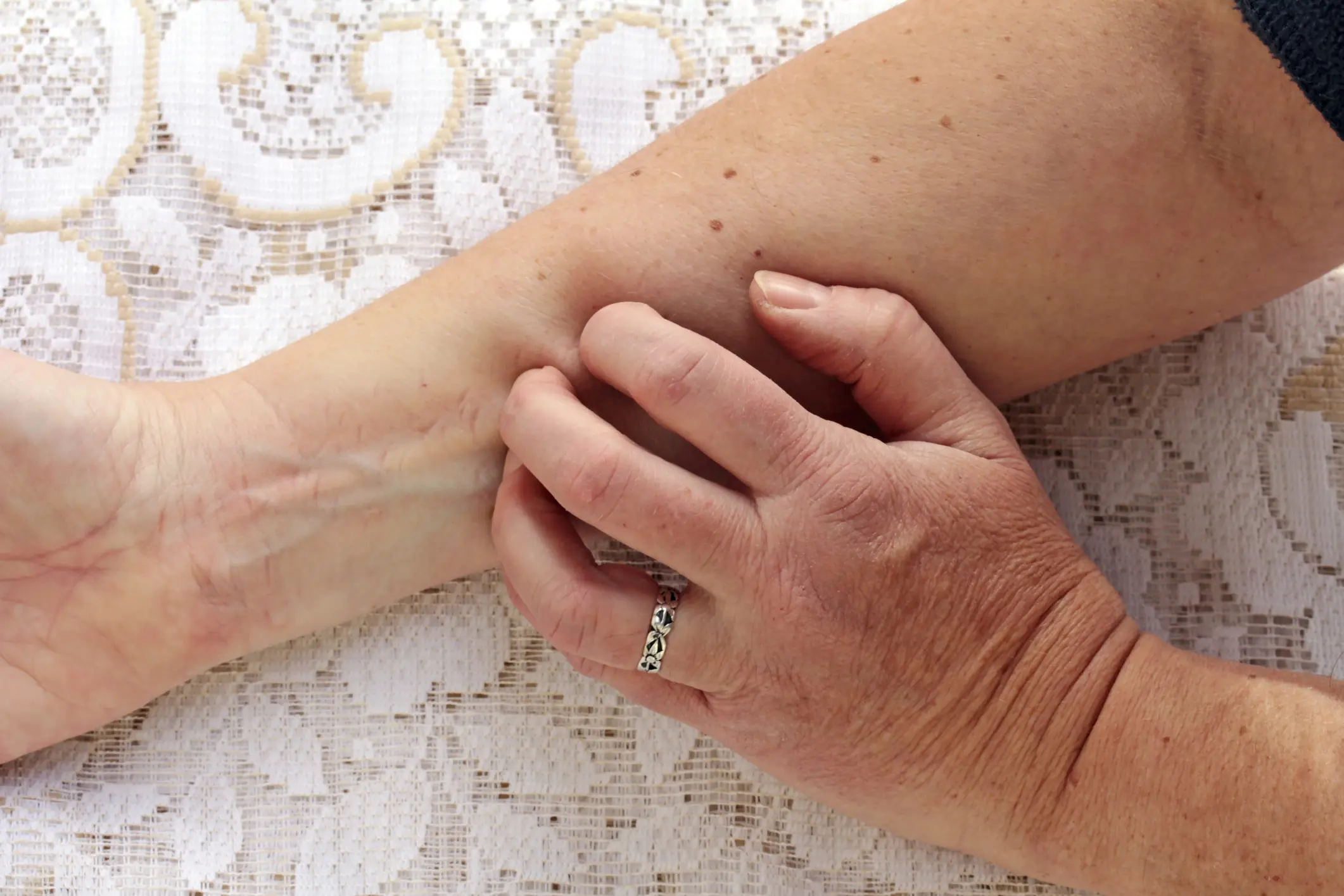
These 9 Itching Symptoms Might Reveal More About Your Health Than You Think
🛑 Itching in These Areas Could Be Your Body Asking for Attention—9 Signs to Know 👇
Health 18/07/2026 18:07
Waking up in the middle of the night to use the bathroom might seem like a harmless inconvenience. For many people, it happens occasionally—after drinking too much water before bed or enjoying a late-night cup of tea. However, when nighttime urination becomes frequent or disruptive, it may be more than just a minor annoyance. In medical terms, this condition is known as nocturia, and understanding its causes, implications, and warning signs is essential for maintaining overall health.
Nocturia refers to the need to wake up one or more times during the night to urinate. While waking up once per night can be considered normal—especially as people age—waking up two or more times regularly may indicate an underlying issue.
This condition is not a disease itself but rather a symptom of other physiological or lifestyle-related factors. It can affect sleep quality, energy levels, and even mental health if left unaddressed.

One of the simplest explanations is drinking too much liquid in the evening, particularly beverages like caffeine or alcohol, which act as diuretics and increase urine production.
As people age, the body produces less antidiuretic hormone (ADH), which helps retain fluid during sleep. This leads to increased urine production at night.
An overactive bladder causes sudden urges to urinate, even when the bladder is not full. This can occur both during the day and at night.
Infections in the urinary tract can irritate the bladder, leading to frequent urination, discomfort, and urgency.
Both Type 1 and Type 2 diabetes can cause increased urination due to excess glucose in the bloodstream, which draws more water into the urine.
Men may experience nocturia due to benign prostatic hyperplasia (BPH), where the prostate gland enlarges and interferes with normal urine flow.
Conditions such as insomnia or sleep apnea can cause frequent awakenings, during which a person may feel the need to urinate—even if the bladder isn’t full.
Frequent nighttime urination does more than interrupt your sleep. Over time, it can lead to:
Sleep plays a critical role in physical recovery, immune function, and cognitive performance. When it is repeatedly disrupted, the consequences can accumulate quickly.
Not every case of nighttime urination is cause for concern. However, there are specific signs that should not be ignored:
These symptoms may indicate infections, metabolic disorders, or more serious conditions that require medical evaluation.

If your symptoms are mild or lifestyle-related, simple adjustments can make a big difference:
Try to reduce drinking fluids at least 2–3 hours before bedtime.
Both can irritate the bladder and increase urine production.
Empty your bladder right before going to bed.
This helps reduce fluid buildup in the lower body, which can redistribute at night and increase urination.
Maintain a consistent sleep schedule and create a comfortable sleep environment.
If lifestyle changes don’t improve your symptoms, it’s important to consult a healthcare professional. Depending on the cause, treatments may include:
A doctor may also recommend tests such as urine analysis, blood tests, or bladder function assessments to determine the root cause.

Waking up occasionally to urinate at night is usually nothing to worry about. But when it becomes frequent, disruptive, or accompanied by other symptoms, it may be your body signaling a deeper issue.
The key is not to ignore persistent changes. Understanding the patterns, identifying potential triggers, and taking early action can help protect both your sleep and your long-term health.
In short, your nightly bathroom trips might be telling a story—make sure you’re paying attention.
🛑 Itching in These Areas Could Be Your Body Asking for Attention—9 Signs to Know 👇

👅 A White Tongue May Be More Than Just a Cosmetic Concern

Tiny Red Dots on Your Body? Don't Ignore These Possible Causes

😨 Your Mouth Could Be Sending Early Health Warnings—Here's What to Look For



Roselle and Your Health: What Current Research Suggests

How Cloves May Support Your Health: Benefits and Precautions

7 Unusual Morning Symptoms That Shouldn't Be Overlooked








3 Nighttime Symptoms That Could Be Worth Discussing With Your Doctor

Certain Changes in Your Hands Could Be Linked to Underlying Lung Conditions
🛑 Itching in These Areas Could Be Your Body Asking for Attention—9 Signs to Know 👇
👅 A White Tongue May Be More Than Just a Cosmetic Concern
Tiny Red Dots on Your Body? Don't Ignore These Possible Causes
😨 Your Mouth Could Be Sending Early Health Warnings—Here's What to Look For
Roselle and Your Health: What Current Research Suggests


How Cloves May Support Your Health: Benefits and Precautions
7 Unusual Morning Symptoms That Shouldn't Be Overlooked

10 Aloe Vera Uses That May Surprise You