Your body doesn't stop working when you fall asleep. Throughout the night, your heart continues to beat, your lungs keep breathing, your brain cycles through different stages of sleep, and your body performs countless repair and recovery processes.
Because of these natural changes, some health conditions may become more noticeable at night. While occasional nighttime symptoms are often harmless, persistent or worsening symptoms that repeatedly wake you from sleep may deserve medical attention.
It's important to remember that these signs do not necessarily indicate a serious illness. Many nighttime symptoms are caused by common, treatable conditions. However, recognizing persistent changes early can help identify health problems before they become more severe.
Here are three nighttime changes that medical experts say should not be overlooked.
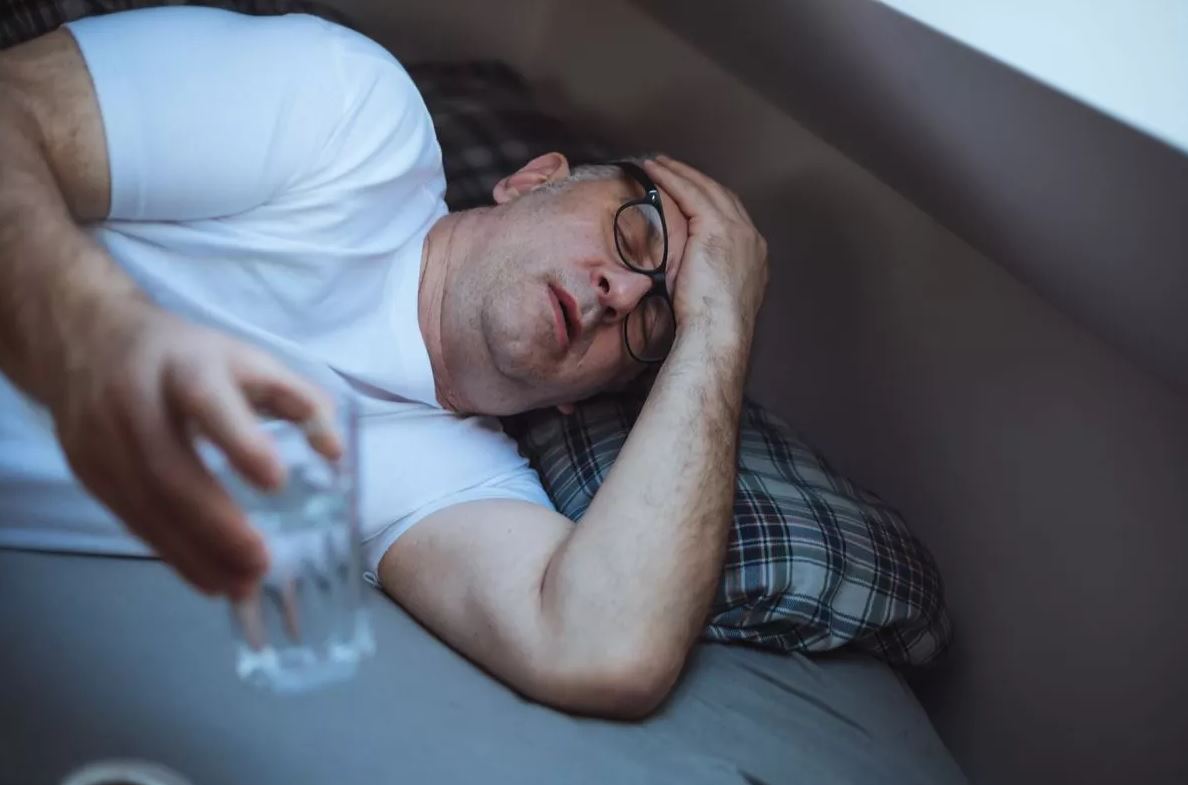
1. Chest Discomfort or Shortness of Breath During the Night
Waking up with chest discomfort or difficulty breathing can be alarming.
Although these symptoms may have relatively common causes such as acid reflux or anxiety, they can also be associated with heart or lung conditions that require medical evaluation.
Possible Causes
Nighttime chest discomfort may be related to:
-
Gastroesophageal reflux disease (GERD)
-
Anxiety or panic attacks
-
Asthma
-
Heart disease
-
Sleep apnea
Shortness of breath while lying flat may occur in people with certain heart or lung conditions.
Other Symptoms That May Occur
-
Chest pressure
-
Tightness
-
Wheezing
-
Persistent coughing
-
Rapid heartbeat
-
Sweating
-
Difficulty lying flat
If symptoms occur repeatedly, especially during sleep, discuss them with your healthcare provider.
When Is It an Emergency?
Seek emergency medical care immediately if chest discomfort is accompanied by:
-
Pain spreading to the jaw, shoulder, arm, or back
-
Severe shortness of breath
-
Fainting
-
Cold sweating
-
Nausea
-
Sudden weakness
These symptoms may indicate a medical emergency.
2. Frequent Nighttime Urination
Getting up once during the night to urinate is common, especially as people age.
However, waking several times every night may interfere with sleep quality and sometimes signal an underlying health condition.
This symptom is known as nocturia.
Possible Causes
Frequent nighttime urination may be associated with:
-
Drinking large amounts of fluids before bed
-
Caffeine or alcohol consumption
-
Overactive bladder
-
Enlarged prostate (in men)
-
Diabetes
-
Certain medications, such as diuretics
-
Heart failure
-
Sleep apnea
Because many different conditions can cause nocturia, persistent symptoms should be evaluated.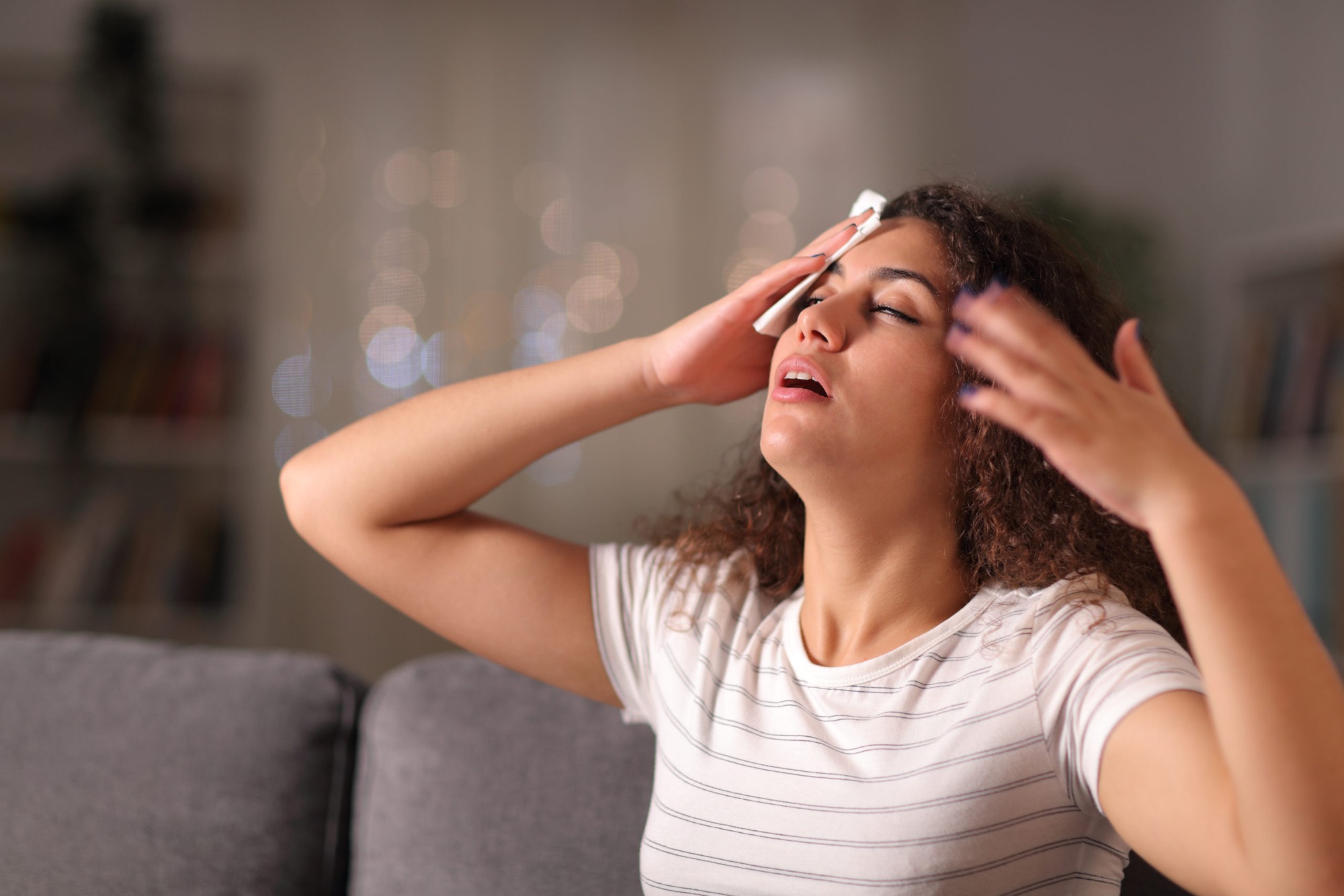
How It Affects Health
Interrupted sleep may contribute to:
-
Daytime fatigue
-
Poor concentration
-
Increased fall risk in older adults
-
Reduced quality of life
Improving the underlying cause often improves sleep as well.
3. Persistent Night Sweats
Sweating during sleep is fairly common.
Many people experience occasional night sweats because of:
-
A warm bedroom
-
Heavy blankets
-
Exercise before bed
-
Temporary infections
However, frequent, unexplained night sweats that soak clothing or bedding deserve medical attention.
Possible Causes
Persistent night sweats may occur with:
-
Menopause
-
Certain medications
-
Hyperthyroidism
-
Infections
-
Sleep disorders
-
Some chronic medical conditions
Rarely, persistent night sweats may be associated with certain cancers or autoimmune diseases.
Fortunately, these serious causes are much less common than hormonal changes or infections.
Additional Symptoms That Need Attention
Night sweats deserve prompt medical evaluation when accompanied by:
-
Unexplained weight loss
-
Persistent fever
-
Enlarged lymph nodes
-
Ongoing fatigue
-
Chronic cough
Why Nighttime Symptoms Sometimes Feel Worse
Several normal changes occur while you sleep.
These include:
-
Changes in hormone levels
-
Lower blood pressure
-
Slower digestion
-
Different breathing patterns
-
Body position changes
These natural processes can make certain symptoms easier to notice during the night.
For example:
-
Acid reflux may worsen when lying flat.
-
Asthma symptoms often become more noticeable overnight.
-
Leg swelling accumulated during the day may increase nighttime urination after lying down.
-
Sleep apnea occurs only during sleep.
Healthy Habits That May Improve Nighttime Comfort
Although treatment depends on the underlying cause, several habits may reduce nighttime symptoms.
Maintain a Regular Sleep Schedule
Going to bed and waking up at consistent times supports healthy sleep.
Avoid Heavy Meals Before Bed
Large meals may worsen:
-
Heartburn
-
Indigestion
-
Acid reflux
Limit Evening Caffeine and Alcohol
Both may interfere with sleep quality and increase nighttime awakenings.
Stay Physically Active
Regular exercise supports:
-
Heart health
-
Lung function
-
Blood sugar control
-
Sleep quality
Avoid vigorous exercise immediately before bedtime if it interferes with your sleep.
Keep Your Bedroom Comfortable
A cool, quiet, and dark sleeping environment may improve sleep and reduce excessive sweating.
Common Myths About Nighttime Symptoms
Myth 1: Nighttime Symptoms Are Always Normal
False.
Although many nighttime symptoms are harmless, persistent or worsening symptoms should be evaluated.
Myth 2: Chest Discomfort at Night Is Always Heartburn
False.
Heartburn is common, but chest discomfort can also have heart, lung, or musculoskeletal causes.
Only a healthcare professional can determine the cause.
Myth 3: Night Sweats Always Mean Cancer
False.
Most night sweats are caused by infections, hormonal changes, medications, or environmental factors.
Cancer is a much less common cause.
Myth 4: Frequent Nighttime Urination Is Just Part of Aging
Not necessarily.
Although aging increases the likelihood of nocturia, treatable medical conditions are also common.
When Should You See a Doctor?
Arrange a medical evaluation if you experience:
-
Chest discomfort that repeatedly wakes you from sleep.
-
Frequent nighttime urination that disrupts sleep.
-
Persistent night sweats without an obvious explanation.
-
Shortness of breath during the night.
-
Loud snoring with daytime fatigue.
-
Ongoing heartburn while lying down.
-
Symptoms lasting several weeks or worsening over time.
Early evaluation can help identify the underlying cause and guide appropriate treatment.
When Is It an Emergency?
Seek immediate medical care if you develop:
-
Severe chest pain.
-
Sudden difficulty breathing.
-
Coughing up blood.
-
Loss of consciousness.
-
Sudden weakness on one side of the body.
-
Confusion or difficulty speaking.
These symptoms require urgent medical attention.
Final Thoughts
Your body naturally undergoes many changes during sleep, and most nighttime symptoms are caused by common, treatable conditions rather than serious disease. Even so, persistent chest discomfort or shortness of breath, frequent nighttime urination, and unexplained night sweats should not be ignored, especially if they occur repeatedly or are accompanied by other warning signs.
Rather than assuming these symptoms are simply part of aging or poor sleep, pay attention to patterns. Keeping track of when symptoms occur, how often they happen, and whether they are getting worse can help your healthcare provider identify the underlying cause.
Listening to your body and seeking medical advice when symptoms persist is one of the best ways to protect your long-term health. Many conditions are easier to manage when they are recognized early, allowing appropriate treatment before complications develop.