For centuries, aloe vera has been valued in traditional medicine for its soothing properties and versatility. Today, it remains one of the most popular natural remedies worldwide, commonly found in skin care products, beverages, dietary supplements, and even oral health products.
While aloe vera is often praised for its wide range of health benefits, it's important to distinguish between traditional uses and benefits supported by scientific evidence. Research suggests that aloe vera may be helpful for certain conditions—particularly for skin care and the treatment of minor burns—but evidence for many other claims is still limited or mixed.
If you're considering adding aloe vera to your wellness routine, understanding both its potential benefits and its limitations can help you make informed decisions.

What Is Aloe Vera?
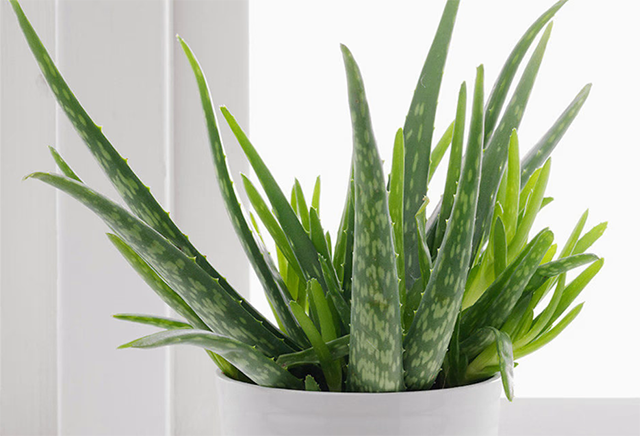
Aloe vera (Aloe barbadensis Miller) is a succulent plant that stores water in its thick, fleshy leaves.
Inside each leaf are two distinct substances:
- Aloe gel, the clear inner portion that is commonly used for skin care.
- Aloe latex, a yellow substance located just beneath the leaf's skin that has strong laxative properties.
These two components have very different uses and safety profiles.
Nutrients Found in Aloe Vera
Although aloe vera gel is mostly water, it also contains small amounts of beneficial compounds, including:
- Vitamins A, C, and E
- Folate
- Calcium
- Magnesium
- Potassium
- Zinc
- Amino acids
- Polysaccharides
- Antioxidants
These compounds may contribute to some of aloe vera's biological effects, although consuming aloe vera is not a major source of these nutrients.
1. May Help Soothe Minor Burns
One of the best-supported uses of aloe vera is for minor burns, including mild sunburn.
Several studies suggest that aloe vera gel may:
- Cool the skin
- Reduce discomfort
- Support wound healing
- Help maintain skin moisture
It is generally most appropriate for:
- Minor first-degree burns
- Mild sunburn
- Small superficial skin injuries
However, aloe vera should not replace professional medical treatment for severe burns.
2. May Support Skin Hydration
Aloe vera is widely used in moisturizers because of its high water content.
Applying aloe vera gel may help:
- Hydrate dry skin
- Improve skin softness
- Support the skin's protective barrier
- Reduce temporary irritation
People with oily skin often prefer aloe vera because it is lightweight and absorbs quickly.
3. May Promote Wound Healing
Research suggests that aloe vera may support the healing of certain superficial wounds.
Potential mechanisms include:
- Maintaining a moist healing environment
- Supporting collagen production
- Reducing inflammation
- Encouraging skin cell regeneration
Evidence is strongest for minor wounds, while results for larger or chronic wounds remain inconsistent.

4. May Help Calm Certain Skin Conditions
Some studies suggest aloe vera may help reduce symptoms associated with:
- Mild eczema
- Psoriasis
- Contact dermatitis
- Skin irritation
Although some people experience improvement, aloe vera should not replace prescription treatments recommended by a dermatologist.
5. May Have Antioxidant Properties
Aloe vera contains several plant compounds with antioxidant activity.
Antioxidants help protect cells from damage caused by unstable molecules known as free radicals.
While antioxidants are important for overall health, more research is needed to determine whether aloe vera supplements provide meaningful health benefits beyond a balanced diet.
6. May Support Oral Health
Some studies suggest aloe vera mouthwash may help reduce:
- Plaque buildup
- Gum inflammation
- Mouth irritation
Researchers believe this may be due to aloe vera's antibacterial and anti-inflammatory properties.
However, standard dental hygiene—including brushing, flossing, and regular dental checkups—remains the foundation of good oral health.
7. May Help Relieve Constipation (Aloe Latex)
Aloe latex has long been used as a natural laxative.
It contains compounds called anthraquinones, which stimulate bowel movements.
However, aloe latex is not recommended for routine use because it may cause:
- Abdominal cramping
- Diarrhea
- Electrolyte imbalances
- Dehydration
Some oral aloe latex products have been removed from the market in certain countries because of safety concerns.
Always speak with your healthcare provider before using stimulant laxatives regularly.
8. May Have a Role in Blood Sugar Management
Some early studies suggest aloe vera may modestly improve blood sugar levels in certain people with type 2 diabetes or prediabetes.
However:
- Research findings are inconsistent.
- Studies are generally small.
- More high-quality clinical trials are needed.
People with diabetes should never stop prescribed medications in favor of aloe vera without medical supervision.
9. May Support Digestive Health
Some individuals use aloe vera juice to relieve digestive symptoms.
Limited research suggests it may help some people with conditions such as:
- Mild acid reflux
- Irritable bowel syndrome (IBS)
- Functional constipation
However, evidence remains limited, and aloe vera may worsen digestive symptoms in others.
Anyone with persistent digestive symptoms should seek medical evaluation rather than self-treating.
10. May Have Anti-Inflammatory Effects
Laboratory studies suggest compounds found in aloe vera may help reduce inflammatory activity.
This has generated interest in aloe vera for conditions involving chronic inflammation.
However, most evidence comes from laboratory or animal studies, and more human research is needed before firm conclusions can be drawn.
Common Uses of Aloe Vera
People commonly use aloe vera in:
- Moisturizers
- After-sun products
- Lip balms
- Face masks
- Shampoos
- Mouthwash
- Toothpaste
- Skin gels
- Dietary supplements
- Aloe beverages
Not all products contain the same concentration or quality of aloe vera, so reading labels is important.
Safety Considerations
Although aloe vera is generally considered safe for topical use, it is not risk-free.
Possible Side Effects of Topical Aloe Vera
Some people may experience:
- Skin irritation
- Burning sensation
- Itching
- Allergic reactions
- Redness
Performing a small patch test before widespread use is a good idea, especially if you have sensitive skin.
Possible Side Effects of Oral Aloe Products
Drinking aloe products or taking supplements may cause:
- Stomach cramps
- Diarrhea
- Electrolyte imbalance
- Dehydration
- Drug interactions
The safety of long-term oral aloe vera use has not been well established.
Who Should Be Cautious?
Speak with your healthcare provider before using oral aloe vera if you:
- Are pregnant or breastfeeding
- Have inflammatory bowel disease
- Have kidney disease
- Take diabetes medications
- Take blood thinners
- Take diuretics
- Take heart medications
Aloe vera may interact with certain medications or increase the risk of side effects.
Tips for Safe Use
If you choose to use aloe vera:
- Use products from reputable manufacturers.
- Follow label directions.
- Avoid applying aloe vera to deep or infected wounds unless advised by a healthcare professional.
- Avoid excessive consumption of aloe latex products.
- Stop using aloe vera if irritation develops.
- Discuss supplements with your healthcare provider, especially if you have chronic medical conditions.
Common Myths About Aloe Vera
Myth 1: Aloe Vera Cures Every Skin Condition
False.
Although aloe vera may help soothe some skin problems, it is not a cure for eczema, psoriasis, acne, or other chronic skin diseases.
Myth 2: Drinking Aloe Vera Juice Is Always Healthy
False.
Some aloe beverages contain added sugar, while others may contain compounds that can cause digestive side effects.
Myth 3: Natural Means Completely Safe
False.
Natural products can still cause allergic reactions, medication interactions, and side effects.
Myth 4: Aloe Vera Can Replace Medical Treatment
False.
Aloe vera may complement medical care in some situations but should not replace evidence-based treatment for burns, diabetes, infections, or other medical conditions.
When Should You See a Healthcare Professional?
Consult a healthcare provider if you:
- Develop a severe skin reaction after using aloe vera.
- Experience persistent diarrhea after consuming aloe products.
- Have burns larger than the palm of your hand.
- Have a wound that becomes increasingly painful, swollen, or infected.
- Are considering long-term aloe vera supplements for a chronic medical condition.
Final Thoughts
Aloe vera has earned its reputation as one of the world's most widely used medicinal plants, and scientific evidence supports some of its traditional uses—particularly for soothing minor burns, moisturizing the skin, and promoting the healing of certain superficial wounds. Other potential benefits, such as supporting blood sugar control, digestive health, or reducing inflammation, remain areas of active research, and stronger evidence is still needed.
Like any natural remedy, aloe vera is not a cure-all. The safety and effectiveness of aloe products depend on the type of product used, the quality of its ingredients, how it is applied, and an individual's overall health. Topical aloe vera is generally well tolerated, while oral aloe products—especially those containing aloe latex—may cause side effects or interact with certain medications.
When used appropriately and alongside evidence-based medical care, aloe vera may be a valuable addition to your skin care or wellness routine. If you have ongoing health concerns, chronic skin conditions, or are considering oral aloe supplements, it's always best to consult a qualified healthcare professional for personalized guidance.