
Don't Dismiss Hip Pain—It Could Be Linked to an Underlying Condition
These Common Conditions May Be Causing Your Hip Pain—Learn the Signs
Health 22/07/2026 00:00
The nose does far more than help us breathe and smell the world around us. Because it contains an extensive network of blood vessels and delicate tissues, it can occasionally provide clues about what's happening elsewhere in the body. Persistent changes affecting the nose may sometimes be associated with relatively minor conditions such as allergies or dry air—but in certain situations, they can also accompany more serious medical problems.
While no single symptom can diagnose liver disease, cancer, or any other major illness on its own, healthcare professionals recognize that unusual or persistent nasal symptoms deserve attention when they occur alongside other warning signs.
Here are five nasal changes that shouldn't be ignored.
1. Frequent or Unexplained Nosebleeds
Occasional nosebleeds are extremely common and are usually caused by:
However, persistent or recurrent nosebleeds may occasionally warrant further medical evaluation.
In some circumstances, frequent nosebleeds can be associated with:
The liver plays an important role in producing proteins involved in blood clotting. Advanced liver disease may sometimes contribute to abnormal bleeding tendencies, including easier bruising or recurrent bleeding episodes.
If nosebleeds become frequent, unusually heavy, or occur without an obvious cause, consulting a healthcare professional is advisable.
Many people experience temporary nasal congestion during colds or allergy seasons. Symptoms typically improve within days or weeks.
Persistent congestion affecting only one side of the nose deserves closer attention, particularly when accompanied by:
Unilateral nasal symptoms may occasionally result from:
Fortunately, serious causes remain uncommon. Nevertheless, symptoms persisting for several weeks should be medically evaluated.
3. Changes in the Color or Appearance of the Nose
The nose contains an extensive blood supply that sometimes reflects changes occurring elsewhere within the body.
Persistent changes may include:
These findings can occur with numerous conditions, including:
Although popular internet claims occasionally suggest that "liver disease always causes a red nose," such statements are oversimplified and inaccurate.
Medical diagnosis depends upon evaluating symptoms collectively rather than relying upon any single physical characteristic.
Changes involving smell may develop because of:
Less commonly, persistent smell disturbances may accompany more serious medical problems affecting the nasal passages or nervous system.
Symptoms deserving medical evaluation include:
Because our sense of smell contributes significantly to nutrition, safety, and quality of life, persistent changes shouldn't simply be dismissed as part of aging without appropriate assessment.
5. Persistent Nasal Sores, Lumps, or Unusual Growths
Most nasal sores result from relatively harmless causes, including:
However, abnormalities that:
deserve professional evaluation.
Persistent growths may occasionally be associated with:
Early evaluation frequently improves treatment outcomes whenever significant conditions are present.
Healthcare professionals generally recommend paying particular attention to symptoms that change over time or fail to improve despite routine care.
Indirectly, yes.
Certain advanced liver disorders may contribute to symptoms involving:
However, liver disease rarely presents with isolated nasal symptoms alone.
Additional warning signs may include:
Medical evaluation considers all symptoms together rather than focusing exclusively upon one body part.
When Should You Seek Medical Attention?
Consider seeking medical advice if you experience:
Healthcare professionals may recommend:
Many nasal symptoms ultimately result from relatively minor and treatable conditions, but persistent changes deserve appropriate attention.
The body often communicates gradually rather than dramatically.
Although internet headlines frequently claim that particular symptoms definitively indicate cancer or severe liver disease, reality is considerably more nuanced.
Most nasal symptoms are caused by common and manageable conditions. Nevertheless, persistent changes should never be ignored simply because they appear minor initially.
Paying attention to:
provides far more useful information than attempting self-diagnosis based upon isolated signs.
Final Thoughts
Your nose can occasionally provide valuable clues about your overall health. Frequent nosebleeds, persistent one-sided congestion, unusual changes in appearance, disturbances in smell, and long-lasting sores or growths may all warrant medical evaluation when they persist or worsen over time.
Importantly, none of these symptoms automatically indicates liver disease, cancer, or another serious diagnosis. Most have far more common explanations. The key is recognizing when symptoms become persistent, unexplained, or occur alongside other concerning changes.
Remaining attentive to your body's signals—and seeking professional medical guidance when appropriate—remains one of the simplest and most effective approaches to protecting long-term health.
Disclaimer: This article is intended for educational purposes only and should not replace professional medical advice, diagnosis, or treatment. Persistent or concerning symptoms should always be evaluated by a qualified healthcare professional.
(Approximately 1,070 words)
These Common Conditions May Be Causing Your Hip Pain—Learn the Signs

⚠️ Don't Ignore Hip Pain—It May Be Linked to More Than You Think

😨 Small Changes Could Point to Kidney Problems—Here's What Experts Say to Watch For

These Unexpected Nail Changes May Signal an Underlying Health Issue 👇

5 Common Mini Stroke Warning Signs Every Family Should Recognize

Can Diet and Lifestyle Help Reduce Bloating? Here's What We Know

8 Common Claims About Castor Oil and Baking Soda

Many People Soak Their Feet in Apple Cider Vinegar - Here's Why

He Believed Lemon Water Would Help His Bl00d Pressure - What Happened After Two Years May Surprise You

Healthy Aging: What Science Says About 12 Everyday Habits

Doctors Find a Possible Link to Eating One Type of Pickled Vegetable for Nearly 10

Doctors Warn It Can Be More Toxic Than Arsenic if Prepared Incorrectly

Your Liver May Be Sending Quiet Warning Signals
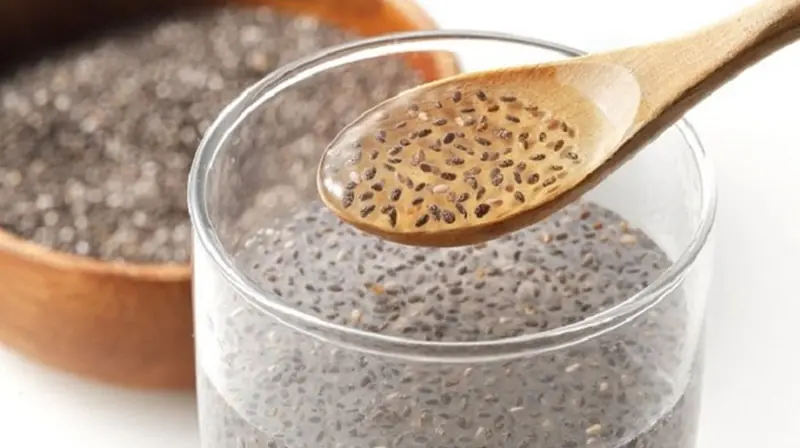
Drinking Chia Seed Water Every Day: Potential Benefits and What You Should Know

Doctors reveal that eating avocados causes… see more

Scientists Were Surprised by the One Root Vegetable Everyone in This Village Eats Daily

Not all chicken is created equal: 3 parts you may want to avoid.

He Ate Raw Garlic Every Morning for 6 Years—Then Doctors Made a Shocking Discovery

A Natural Source of Collagen You May Be Overlooking
These Common Conditions May Be Causing Your Hip Pain—Learn the Signs
⚠️ Don't Ignore Hip Pain—It May Be Linked to More Than You Think
😨 Small Changes Could Point to Kidney Problems—Here's What Experts Say to Watch For
These Unexpected Nail Changes May Signal an Underlying Health Issue 👇
5 Common Mini Stroke Warning Signs Every Family Should Recognize
Can Diet and Lifestyle Help Reduce Bloating? Here's What We Know
8 Common Claims About Castor Oil and Baking Soda
Many People Soak Their Feet in Apple Cider Vinegar - Here's Why

25-Year-Old Man Suffers Kidney Failure After Just One Bite
He Believed Lemon Water Would Help His Bl00d Pressure - What Happened After Two Years May Surprise You
Healthy Aging: What Science Says About 12 Everyday Habits

What Should You Do If a Bird Flies Into Your House?
Doctors Find a Possible Link to Eating One Type of Pickled Vegetable for Nearly 10
Doctors Warn It Can Be More Toxic Than Arsenic if Prepared Incorrectly
Your Liver May Be Sending Quiet Warning Signals

Baking Soda: 12 Everyday Uses Worth Knowing

54-Year-Old Woman Thought Ginger Was Healthy Ate It Daily for 3 Months and Paid a Painful Price
Drinking Chia Seed Water Every Day: Potential Benefits and What You Should Know
Doctors reveal that eating avocados causes… see more
Scientists Were Surprised by the One Root Vegetable Everyone in This Village Eats Daily