Foot care often doesn't receive much attention until discomfort develops. Whether it's dry skin, tired feet after a long day, foot odor, or concerns about rough heels, many people look for simple home remedies that may provide relief. One popular suggestion circulating online is soaking the feet in apple cider vinegar (ACV).
Supporters claim that apple cider vinegar foot soaks can eliminate foot odor, soften rough skin, fight fungal infections, detoxify the body, and even improve circulation. While some of these claims have a scientific basis, many are exaggerated or unsupported by research.
So, what actually happens when you soak your feet in apple cider vinegar?
The answer is more nuanced than many viral posts suggest. Apple cider vinegar may offer some modest benefits for certain foot care concerns, largely because of its acidity and natural antimicrobial properties. However, it is not a cure for fungal infections, skin diseases, or circulation problems, and improper use may even irritate the skin.
Let's look at what current evidence tells us.
What Is Apple Cider Vinegar?
Apple cider vinegar is made by fermenting crushed apples.
During fermentation:
-
Natural sugars are converted into alcohol.
-
Bacteria convert the alcohol into acetic acid.
Most commercial apple cider vinegar contains about 5% acetic acid, along with small amounts of:
-
Organic acids
-
Polyphenols
-
Trace minerals
-
Plant compounds
Its acidity gives it many of its household and culinary uses.
Why Do People Soak Their Feet in Apple Cider Vinegar?
People commonly use apple cider vinegar foot soaks to try to:
-
Reduce foot odor
-
Soften rough skin
-
Ease tired feet
-
Help manage athlete's foot
-
Improve skin appearance
-
Relax after standing all day
Some of these goals may be reasonable, while others lack scientific support.
1. It May Help Reduce Foot Odor
Foot odor often develops when sweat interacts with bacteria living on the skin.
Apple cider vinegar's acidic environment may make it less favorable for some odor-causing bacteria.
A foot soak may temporarily reduce unpleasant odors for some people.
However:
-
It will not eliminate all bacteria.
-
Good hygiene remains the most effective strategy.
To reduce foot odor:
-
Wash feet daily.
-
Dry thoroughly between the toes.
-
Change socks regularly.
-
Wear breathable footwear.
2. It May Help Soften Rough Skin
Warm water naturally hydrates the outer layer of the skin.
Adding diluted apple cider vinegar may help loosen dead skin cells slightly, making rough areas easier to remove with gentle exfoliation.
However:
-
It does not permanently remove calluses.
-
It should not replace proper treatment for painful corns or severe calluses.
After soaking:
-
Pat feet dry.
-
Apply a moisturizer.
-
Use a pumice stone gently if appropriate.
3. Can It Help Athlete's Foot?
Athlete's foot is a fungal infection caused by dermatophyte fungi.
Laboratory studies show that acetic acid can inhibit the growth of certain microorganisms under controlled conditions.
However, there is limited clinical evidence showing that apple cider vinegar foot soaks effectively treat athlete's foot in humans.
For mild cases, maintaining clean and dry feet is important.
Persistent fungal infections usually require antifungal medications recommended by a healthcare professional.
4. It May Feel Relaxing
Sometimes the greatest benefit comes from the soaking process itself.
Warm water may help:
-
Relax foot muscles
-
Reduce feelings of fatigue
-
Promote comfort after prolonged standing
These effects are primarily due to the warm water rather than the vinegar itself.
Adding apple cider vinegar may simply become part of an enjoyable self-care routine.
5. It Does Not "Detox" the Body
One of the most common online claims is that apple cider vinegar foot soaks "pull toxins out through the feet."
There is no scientific evidence supporting this claim.
Your body already has highly effective detoxification systems, including:
-
The liver
-
The kidneys
-
The digestive system
-
The lungs
Healthy feet do not remove toxins from the body.

6. It Does Not Improve Circulation
Some articles claim vinegar foot soaks boost blood flow.
Current scientific evidence does not support this claim.
Warm water alone may temporarily increase blood flow near the skin's surface, but apple cider vinegar itself has not been shown to improve circulation.
People with circulation problems should seek medical evaluation rather than relying on home remedies.
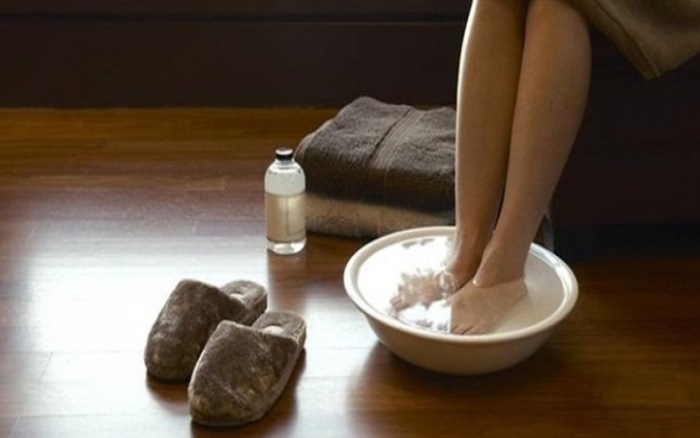
How to Safely Prepare an Apple Cider Vinegar Foot Soak
If you'd like to try a foot soak, dilution is important.
Ingredients
-
1 cup apple cider vinegar
-
2–3 cups warm water (or enough to comfortably cover your feet in a basin)
Many people use a ratio of approximately 1 part vinegar to 2–3 parts water, though more diluted mixtures may be preferable for sensitive skin.
Instructions
-
Fill a clean basin with warm (not hot) water.
-
Add the diluted apple cider vinegar.
-
Soak your feet for 10–15 minutes.
-
Rinse with clean water if desired.
-
Dry your feet thoroughly, especially between the toes.
-
Apply moisturizer if your skin feels dry.
Avoid soaking for prolonged periods, as excessive exposure to acidic solutions may irritate the skin.
Who Should Avoid Apple Cider Vinegar Foot Soaks?
Although generally safe when diluted, apple cider vinegar is not suitable for everyone.
Avoid or consult your healthcare provider before using it if you have:
-
Open wounds
-
Cuts or blisters
-
Severe eczema
-
Psoriasis affecting the feet
-
Chemical burns
-
Active skin infections
-
Very sensitive skin
People with diabetes should be especially cautious. Even minor foot injuries can become serious if healing is impaired, so any new foot care routine should be discussed with a healthcare professional.
Better Ways to Keep Your Feet Healthy
Good foot care involves more than occasional soaking.
Wash Your Feet Daily
Use mild soap and warm water.
Dry carefully, especially between the toes.
Moisturize Dry Skin
Apply moisturizer after bathing to help reduce dryness and cracking.
Avoid applying moisturizer between the toes, where excess moisture can encourage fungal growth.
Wear Breathable Shoes
Shoes that allow air circulation may help reduce sweating and foot odor.
Change Socks Daily
Clean, moisture-wicking socks can help keep feet dry and comfortable.
Trim Toenails Properly
Cut toenails straight across to reduce the risk of ingrown nails.
Stay Physically Active
Regular movement supports healthy circulation throughout the body, benefiting your feet as well.
Common Myths About Apple Cider Vinegar Foot Soaks
Myth 1: They Remove Toxins
False.
There is no scientific evidence that toxins leave the body through the feet during a vinegar soak.
Myth 2: They Cure Nail Fungus
False.
Nail fungus is often difficult to treat and usually requires prescription or over-the-counter antifungal treatments.
Apple cider vinegar should not replace medical care.
Myth 3: Longer Soaks Work Better
False.
Extended soaking may actually dry out or irritate the skin.
Moderation is safer.
Myth 4: Undiluted Vinegar Is More Effective
False.
Using undiluted apple cider vinegar increases the risk of skin irritation, chemical burns, and discomfort without proven additional benefits.
When Should You See a Doctor?
Seek medical advice if you experience:
-
Persistent foot pain.
-
Swelling that doesn't improve.
-
Deep cracks or wounds.
-
Thickened or discolored toenails.
-
Signs of infection such as redness, warmth, or pus.
-
Persistent itching or rash despite home care.
Prompt evaluation is especially important for people with diabetes, peripheral artery disease, or weakened immune systems.
Final Thoughts
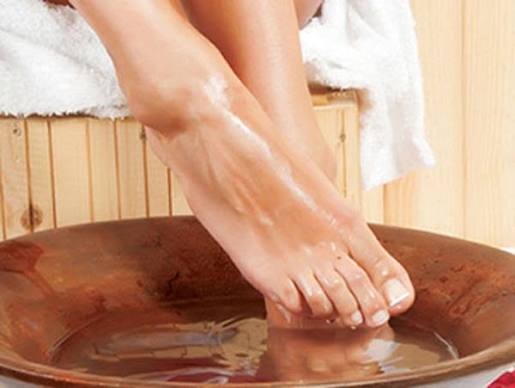
Apple cider vinegar foot soaks can be a soothing addition to a personal foot care routine for some people. When properly diluted, they may help reduce foot odor, soften rough skin, and provide a relaxing experience after a long day. However, many of the dramatic claims found online - such as detoxifying the body, curing fungal infections, or significantly improving circulation are not supported by strong scientific evidence.
The healthiest feet usually result from consistent daily care: washing and drying them thoroughly, moisturizing dry skin, wearing well-fitting breathable shoes, changing socks regularly, and seeking medical advice when problems persist. Home remedies like a diluted apple cider vinegar foot soak may complement these habits, but they should never replace evidence-based treatment for ongoing foot or skin conditions.