Why Some People Place Salted Lemons Around the House: Exploring the Practice
Why Some People Place Salted Lemons Around the House?
Tips 20/07/2026 15:37
Getting caught in the rain can quickly leave your glasses covered with water droplets, making it difficult to see. While no method can completely prevent rain from landing on your lenses, a few simple habits and products can help water bead up, slide off more easily, and improve visibility.
Here are 10 practical tips to keep your glasses cleaner and clearer when walking or driving in the rain.
Dirty lenses collect water more easily because dust, oil, and fingerprints allow droplets to spread across the surface.
Before heading out:
Wash your glasses with lukewarm water.
Use a mild dish soap or lens cleaner.
Dry them with a clean microfiber cloth.
Clean lenses help water bead rather than smear.
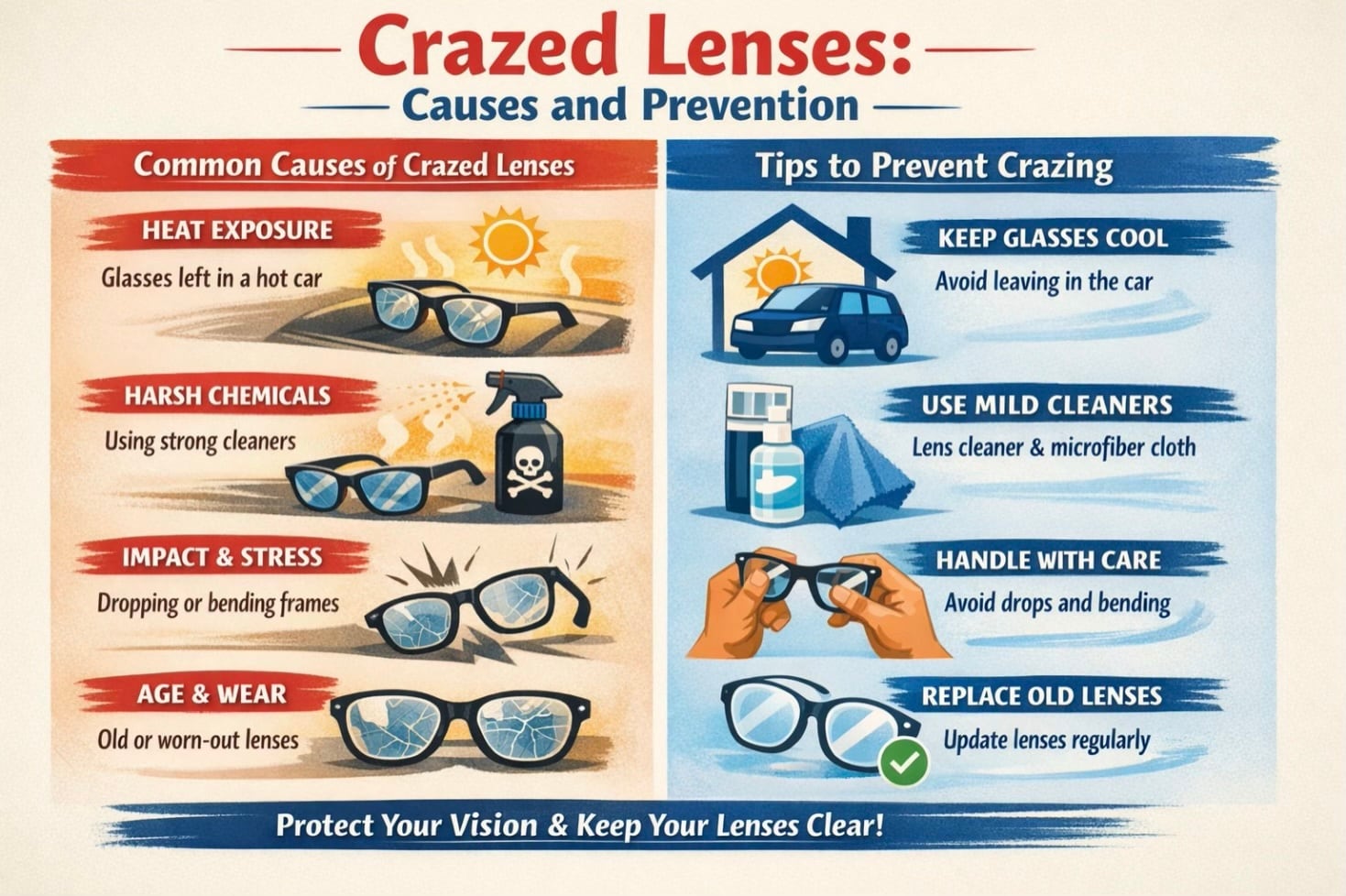
A hydrophobic (water-repellent) coating is one of the most effective ways to reduce water spots.
This coating helps:
Water form small beads.
Droplets roll off more easily.
Improve visibility in light rain.
Many modern eyeglass lenses can be purchased with this coating, and aftermarket lens-safe water-repellent products are also available.
Some lens-safe anti-fog products also improve how moisture behaves on the lens surface.
Be sure to choose products specifically designed for prescription lenses and follow the manufacturer's instructions.
Avoid products not intended for eyewear, as they may damage lens coatings.
A baseball cap, bucket hat, or wide-brimmed hat can significantly reduce the amount of rain reaching your glasses.
Even a small brim helps shield the lenses from falling raindrops.
Frames that fit well and sit slightly closer to your face are less exposed to rain than oversized or loosely fitting glasses.
An optician can adjust your frames for a more secure fit.
Keep a clean microfiber cloth in a protective pouch or waterproof pocket.
Unlike tissues or clothing, a microfiber cloth is designed to:
Remove water without scratching lenses.
Reduce streaks.
Protect lens coatings.
Avoid wiping dry dirt or grit off the lenses, as this can cause scratches.
Fingerprints mix with rainwater and create stubborn smudges that are harder to clean.
Handle your glasses by the frame whenever possible.
Over time, protective coatings can wear down due to everyday use and cleaning.
If your glasses are several years old and water no longer beads on the surface, ask your optician whether replacing the lenses or applying new coatings is appropriate.
An umbrella remains one of the simplest ways to reduce the amount of rain reaching both your glasses and your face.
Even in light rain, it can noticeably improve visibility.
Avoid cleaning your glasses with:
Window cleaner.
Vinegar.
Bleach.
Ammonia-based cleaners.
Paper towels.
These products can damage anti-reflective, scratch-resistant, and hydrophobic coatings.
Instead, use cleaners specifically made for eyeglass lenses.
Some people recommend rubbing a tiny amount of soap onto lenses to help water slide off. While this may provide temporary improvement in some cases, it can also leave streaks and may not be suitable for lenses with special coatings.
For the best protection, use products specifically designed for eyeglasses rather than household substances.
To improve visibility during wet weather:
Keep your glasses clean before leaving home.
Carry a spare microfiber cloth.
Wear a hat if possible.
Consider lenses with both anti-reflective and hydrophobic coatings.
Replace damaged or heavily scratched lenses.
Although no method can completely prevent raindrops from landing on your glasses, keeping your lenses clean, using a hydrophobic coating, carrying a microfiber cloth, and wearing a hat or using an umbrella can greatly improve visibility. Avoid household cleaners or abrasive materials that may damage your lenses, and choose products specifically made for eyeglass care for the best long-term results.
Why Some People Place Salted Lemons Around the House?
Think Boiling Water Cleans Your Drain? Here's the Truth

Is the Green Part of a Lobster Safe to Eat? Experts Weigh In

Many Families Regret Throwing These Items Away Too Soon
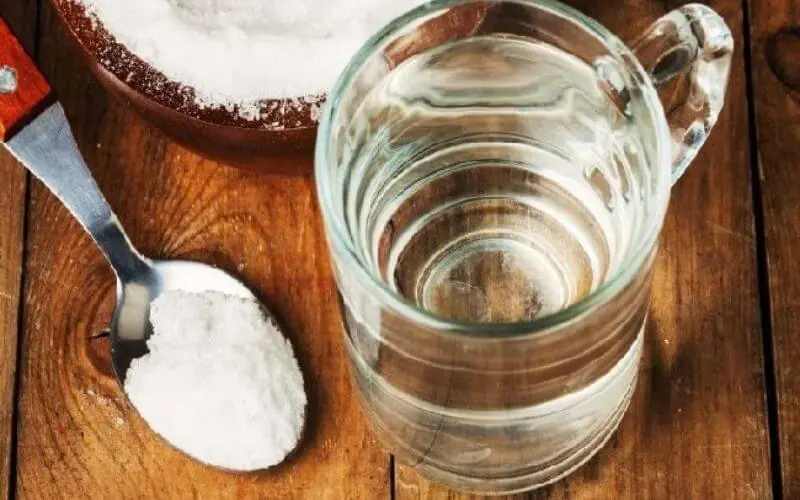
Salt and Vinegar in a Glass: Understanding This Popular Household Practice
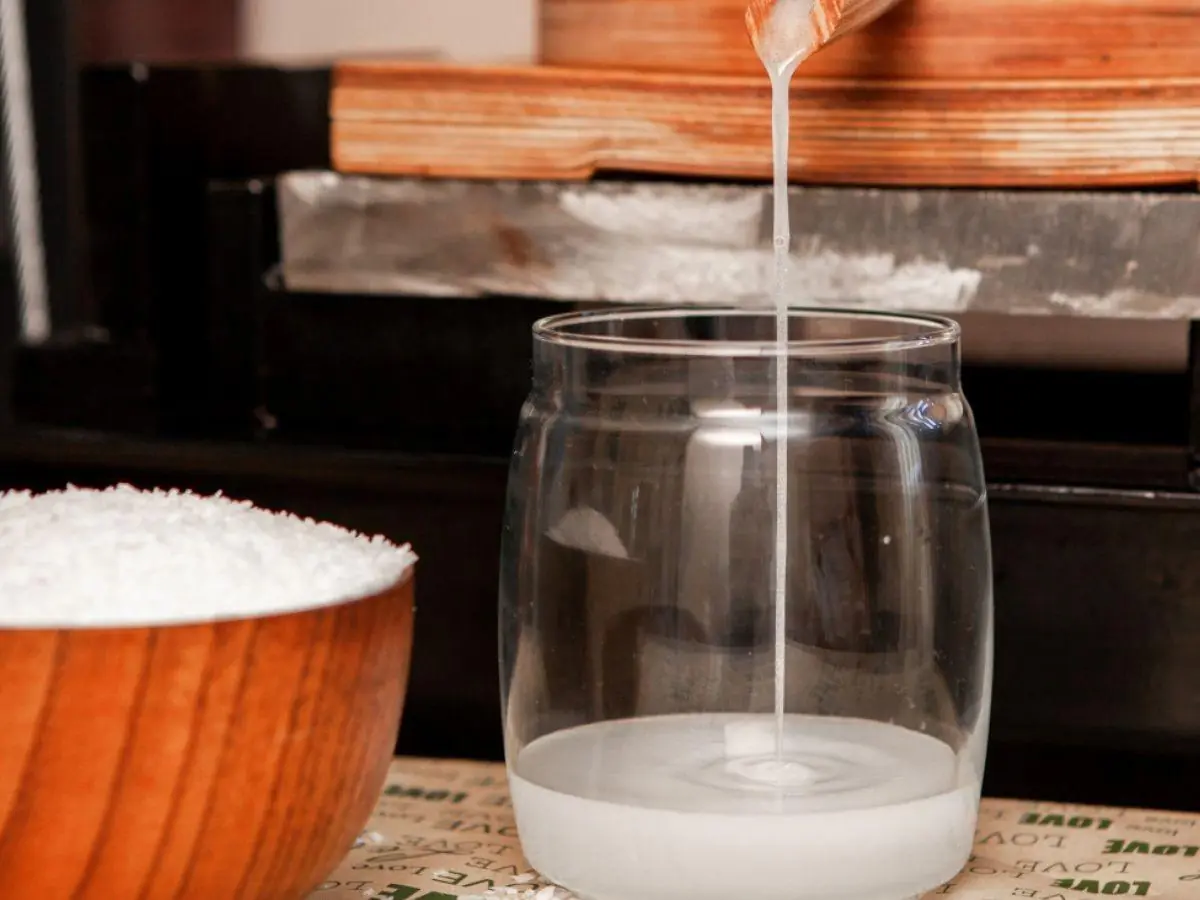
5 Surprising Ways Rice Water Can Save You Money

5 Plants to Keep Well-Maintained If You Want to Reduce Snake Hiding Places
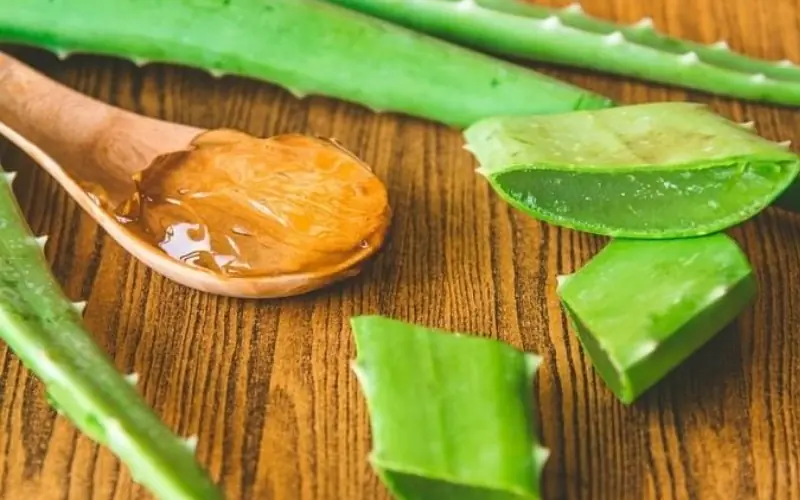
10 Aloe Vera Uses That May Surprise You

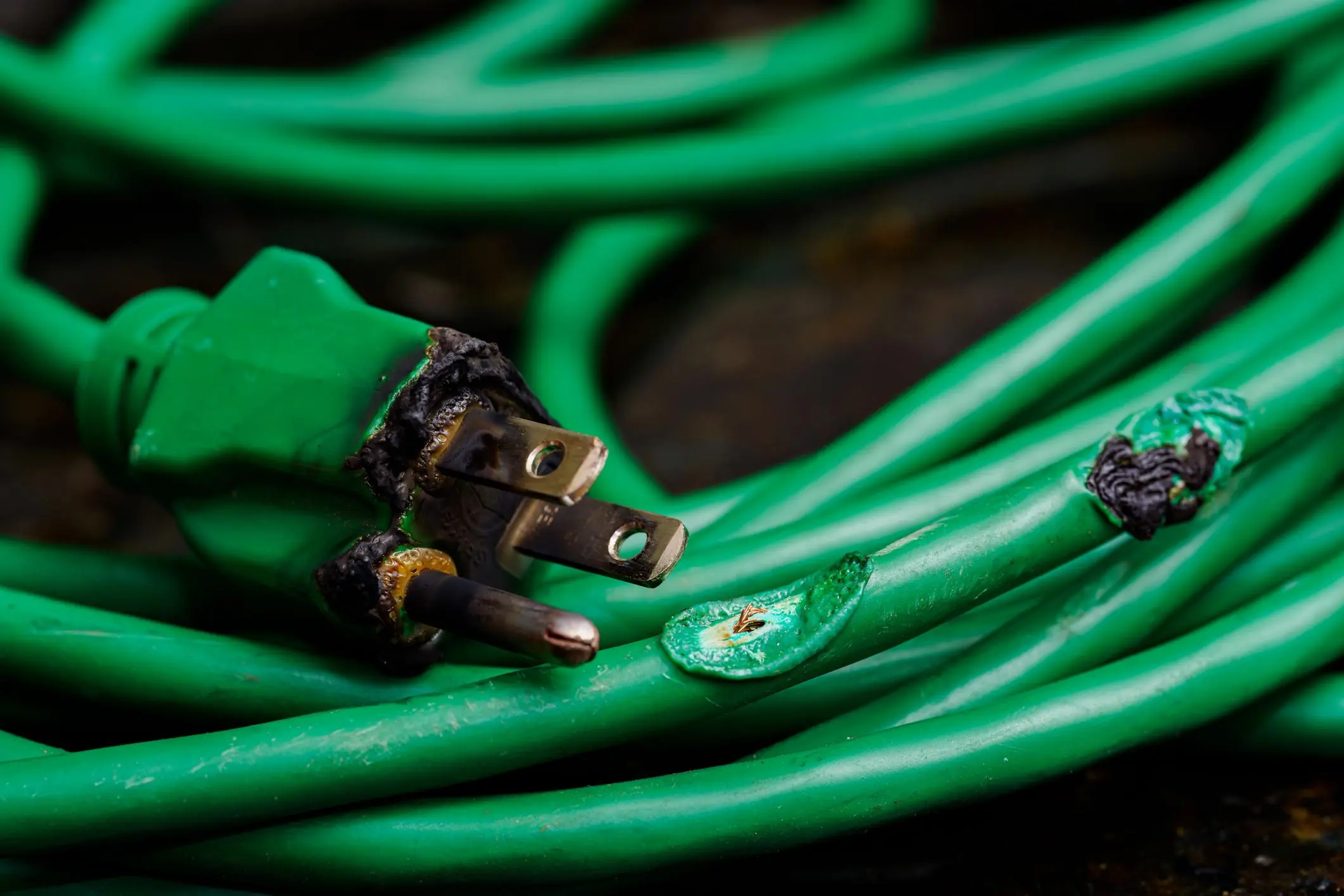
One Mistake With a Power Strip Could Put Your Home at Risk

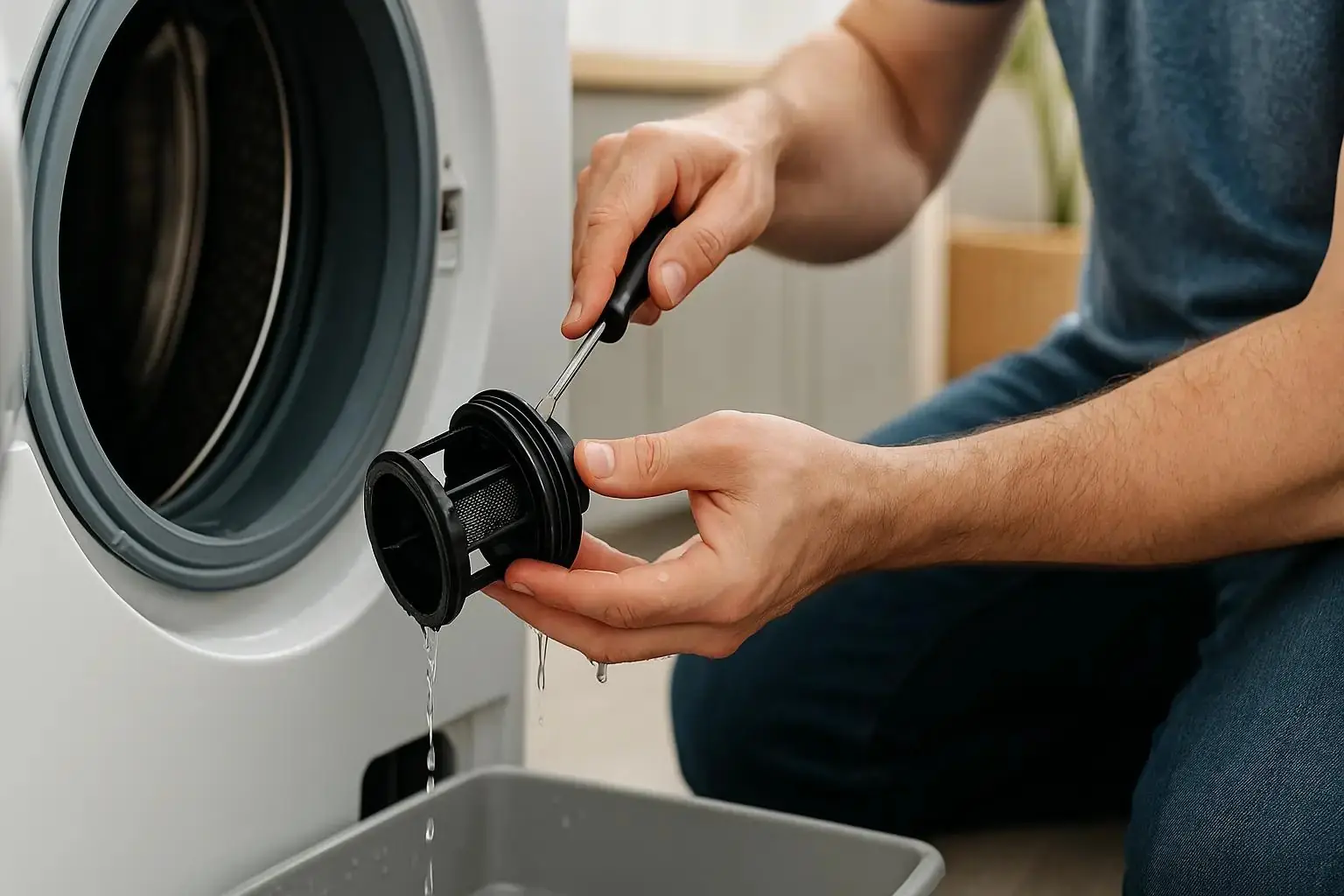
Open This Hidden Panel Monthly to Help Keep Your Washer Fresh

Could These 5 Backyard Plants Make Your Yard More Inviting to Snakes?
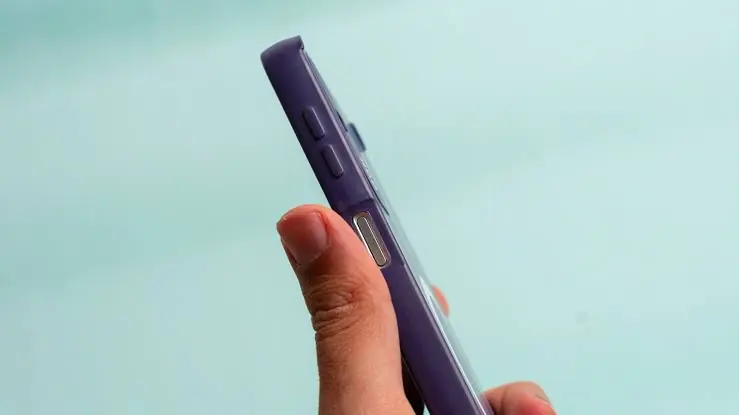
Your Phone Has Hidden Shortcuts—And They're Right on the Volume Buttons
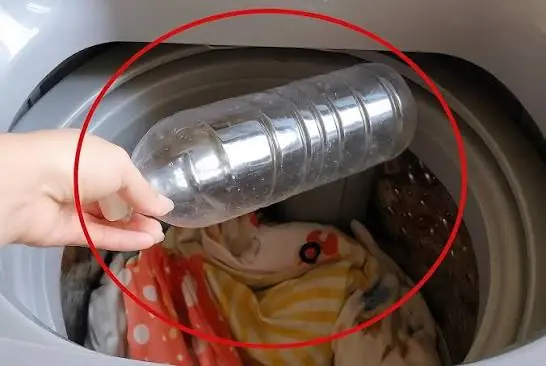
Don't Toss That Plastic Bottle Just Yet—It May Be Useful
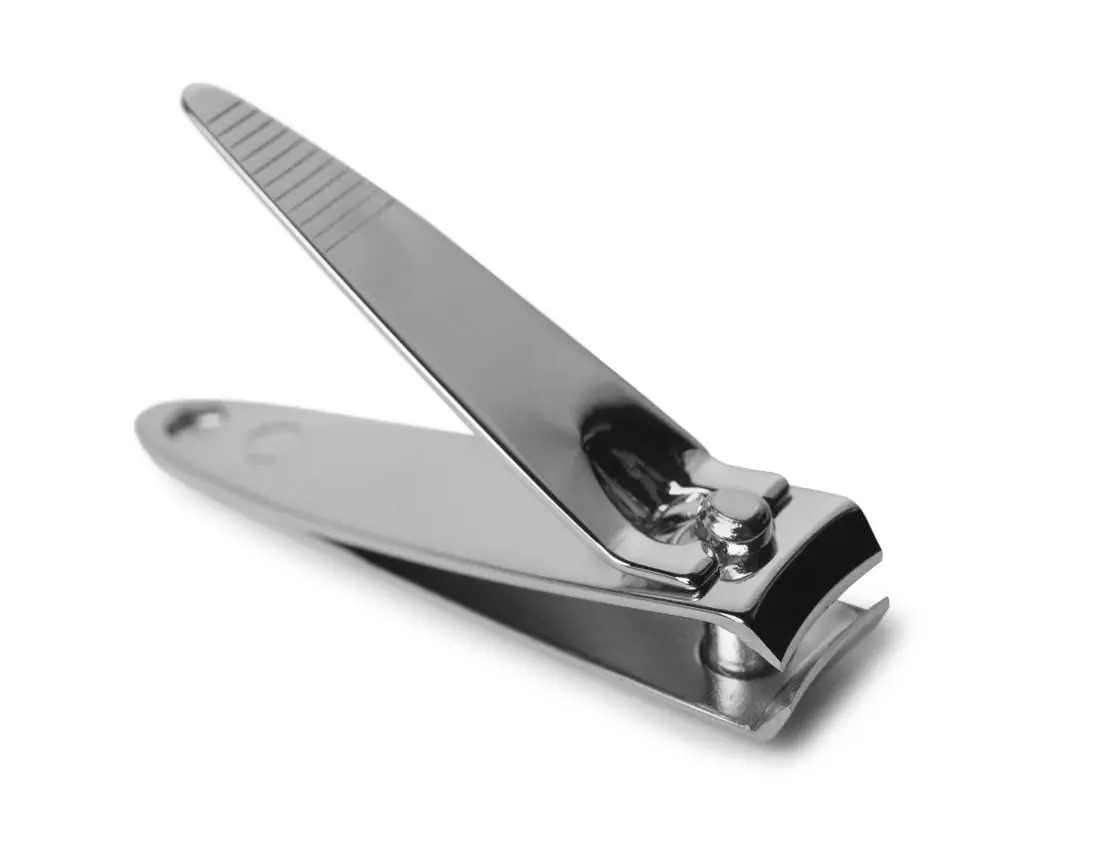
A tiny feature on your nail clipper may be more useful than you ever imagined.
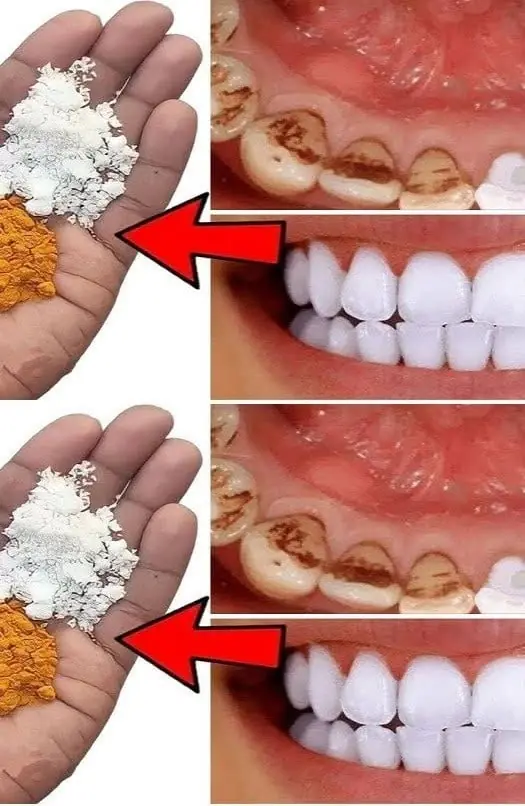
Safe whitening tips that help brighten your smile without harming enamel.
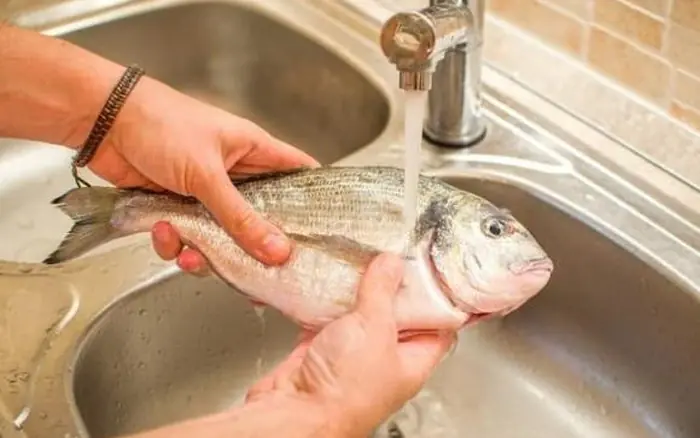

Food safety experts urge caution when eating certain high-risk dishes.
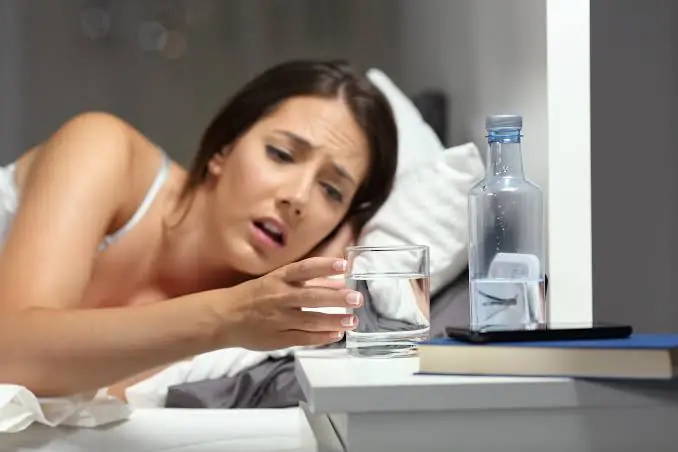
💧 Most People Ignore Morning Dry Mouth—Until They Learn These 8 Reasons 😨

8 Types of Pain That Could Signal an Underlying Health Condition
🧐 Is Urinating in the Shower Really as Safe as People Think?

Why Turmeric Is Popular: Exploring Its Potential Health Benefits

⚠️ Your Body May Be Sending a Message if Frequent Gas Comes With These Symptoms 👇

Many Heart Attacks Are Preceded by Warning Signs—Here Are 7 to Recognize ❤️

Why More Nutritionists Recommend Eating Walnuts Every Day 👇



8 Possible Warning Signs of Kidney Problems You Shouldn't Ignore