
Why Honey Is More Than Just a Natural Sweetener?
Facts 22/07/2026 13:34
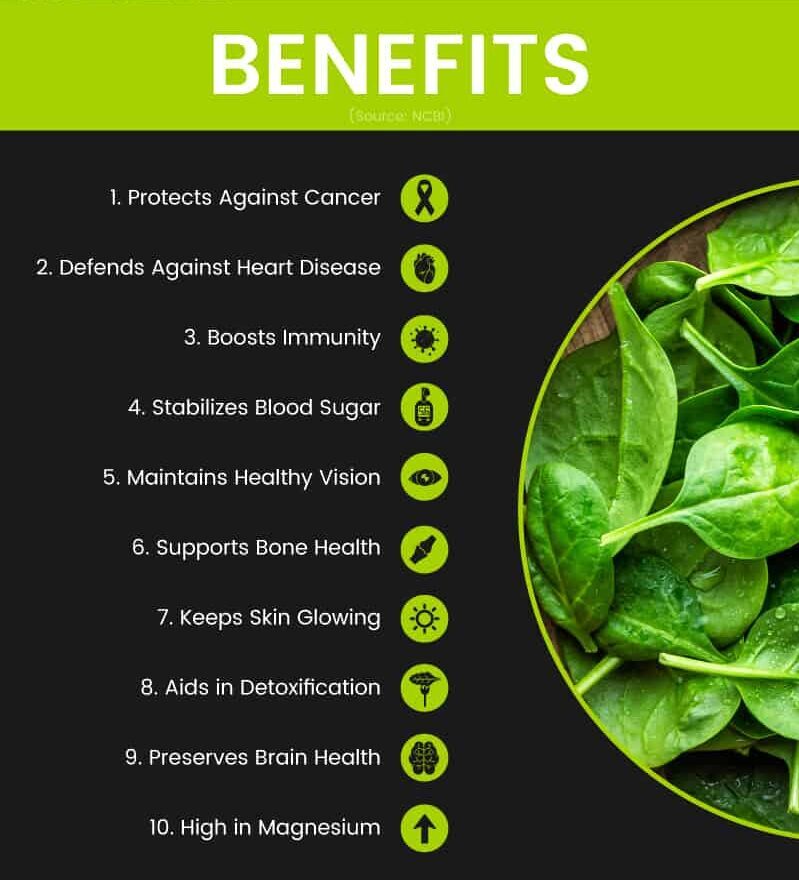
Spinach is one of the most nutrient-dense leafy green vegetables available. Low in calories yet rich in vitamins, minerals, antioxidants, and fiber, spinach can be enjoyed raw in salads or cooked in a variety of dishes. Regularly eating spinach as part of a balanced diet may help support heart health, eye health, bone strength, and overall wellness.
Here are 10 science-backed health benefits of spinach.
Spinach is packed with essential nutrients, including:
Vitamin A
Vitamin C
Vitamin K
Folate
Iron
Magnesium
Potassium
These nutrients play important roles in maintaining healthy bones, muscles, nerves, and immune function.
Spinach is an excellent source of lutein and zeaxanthin, two antioxidants that accumulate in the retina.
These compounds may help:
Protect the eyes from harmful blue light.
Support healthy vision.
Reduce the risk of age-related macular degeneration and cataracts.

Spinach naturally contains dietary nitrates, which the body converts into nitric oxide.
Nitric oxide helps:
Relax blood vessels.
Improve blood flow.
Support healthy blood pressure.
Combined with its potassium and antioxidant content, spinach is considered a heart-friendly food.
Spinach is one of the best natural sources of vitamin K, a nutrient essential for bone health.
Vitamin K helps activate proteins involved in bone formation and supports normal blood clotting.
Pair spinach with calcium-rich foods such as yogurt or cheese for added bone benefits.
Spinach contains powerful antioxidants, including:
Vitamin C
Beta-carotene
Lutein
Zeaxanthin
Quercetin
These compounds help protect cells from oxidative stress and support healthy aging.
The fiber in spinach helps:
Promote regular bowel movements.
Support beneficial gut bacteria.
Increase feelings of fullness.
Including leafy greens in your diet is an easy way to boost fiber intake.
Because spinach is low in carbohydrates and high in fiber, it has little effect on blood sugar levels.
This makes it a nutritious vegetable for people with diabetes when included as part of an overall healthy eating pattern.
Spinach provides several nutrients that contribute to a healthy immune system, including:
Vitamin A
Vitamin C
Folate
Iron
These nutrients help support normal immune cell function and tissue repair.
Vitamin A and vitamin C found in spinach contribute to:
Collagen production.
Skin repair.
Protection against oxidative damage.
A diet rich in colorful vegetables can help maintain healthy skin over time.
Spinach is one of the most versatile vegetables and can be enjoyed in many ways, including:
Fresh salads.
Smoothies.
Omelets.
Stir-fries.
Soups.
Pasta dishes.
Rice bowls.
Sandwiches and wraps.
Lightly cooking spinach can increase the availability of certain nutrients, while raw spinach provides more vitamin C.
Although spinach is highly nutritious, some people should consume it in moderation.
Spinach is high in oxalates, which may contribute to the formation of calcium oxalate kidney stones in susceptible individuals.
If you have a history of kidney stones, talk to your healthcare provider about the appropriate amount of spinach for you.
Spinach is rich in vitamin K, which can affect the action of warfarin.
You do not have to avoid spinach completely, but it is important to eat a consistent amount from week to week and follow your healthcare provider's advice.
To get the most from spinach:
Wash thoroughly before eating.
Store in the refrigerator and use within a few days.
Lightly steam or sauté to reduce oxalates and improve the absorption of some nutrients.
Pair with healthy fats such as olive oil or avocado to improve the absorption of fat-soluble vitamins.
Spinach is a nutrient-rich leafy green that provides vitamins A, C, and K, folate, iron, magnesium, fiber, and powerful antioxidants. Regularly eating spinach may support heart health, eye health, bone strength, digestion, immune function, and healthy skin.
For most people, spinach is a safe and delicious addition to a balanced diet. Those with kidney stone risk or who take warfarin should discuss their intake with a healthcare professional and aim for consistency rather than complete avoidance.

A Guide to the Main Palm Lines and Their Traditional Meanings

Before You Replace Your Jeans, Here's Why They May Be Wavy After Washing

Hidden Inside This Common Fish Could Be Something You Never Expected… 😨🐟 See More 👇👇


25-Year-Old Man Suffers Kidney Failure After Just One Bite

What Should You Do If a Bird Flies Into Your House?
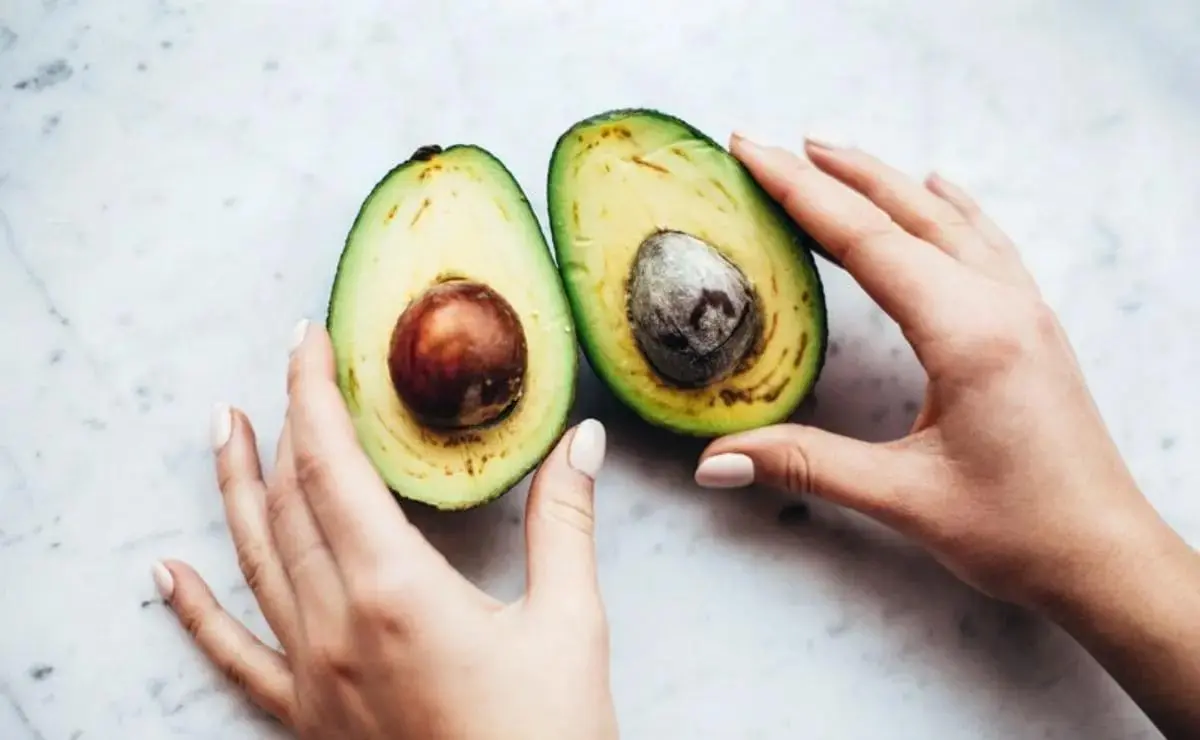
Not Every Brown Spot Means Your Avocado Has Gone Bad

It's Been Right in Front of You All Along—But What Does This Seatbelt Button Really Do? 👇

Your Toes May Be Sending You Signals About Your Health—Are You Paying Attention?

Helping a waiter clear the table may seem like a small gesture, but psychologists say it can reveal meaningful personality traits.

Next Time You Fly, Pay Attention to What Flight Attendants Do Before Takeoff! 😲


He Thought It Was Goodbye


The Spiritual Symbolism of Black Butterflies Explained

Physical intimacy can leave emotional scars when trust and respect are absent.

The Hidden Sodium Trap Millions Eat Every Day

Salt Water Revealed Something Unexpected in My Berries — Should You Be Concerned?

4 groups of people should avoid eating eggplant

Tiny vegetable, massive health benefits — why experts call it the ‘king of anti-can.cer foods

If you have cramps in your legs at night, it means that your legs are... See More

Not Every Lump Is Can.cer — But These 4 Warning Signs Deserve Your Attention

70-year-old man drinks lemon water to treat high blo.od pressure for 2 years, faces unexpected outcome

Did You Know That Waking Up At 3 Or 4 In The Morning Is A Clear Sign Of…See More

Every morning when you wake up, you must pay attention to your health.

Your Nighttime Leg Cramps Could Be a Warning Sign You Shouldn't Ignore
These 10 Symptoms May Reveal More About Your Health Than You Think… 👀👇

Why Do Leg Cramps Happen at Night? Here's What Research Says


Most People Can Enjoy Cucumbers But These 4 Groups May Want to Limit Them

Cinnamon Milk: Benefits, Best Times to Enjoy It and What to Know

Can You Tell Real Honey From Fake in Seconds? Find Out Here! 🍯👇

When Morning Symptoms May Signal an Underlying Health Concern