Big Navel or Small Navel? Here's How to Pick the Sweetest, Juiciest Oranges Every Time
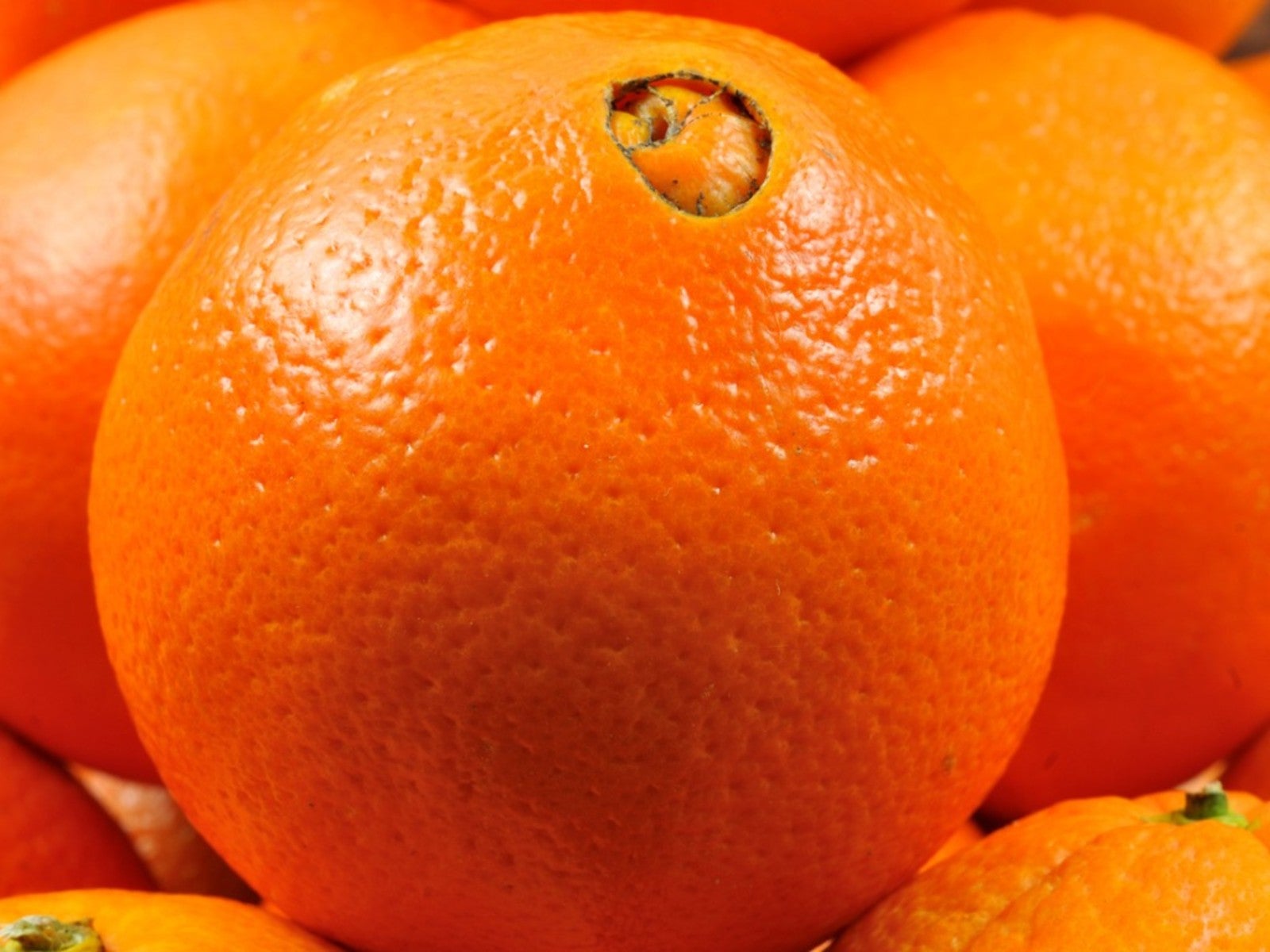
A simple look at an orange's navel may help you choose sweeter fruit.
Buying oranges may seem simple, but experienced shoppers often pay close attention to one small detail that many people overlook—the "navel" at the bottom of the fruit. According to fruit sellers, the size and appearance of this small circular mark can offer clues about an orange's taste, juiciness, and overall eating quality.
Although the navel alone cannot guarantee sweetness, it is one of several visual signs that can help you choose better fruit.
Big Navel vs. Small Navel: What's the Difference?
When examining an orange, turn it over and look at the blossom end, commonly called the "navel."
Many shoppers believe that oranges with a larger, more open navel are often sweeter, contain more juice, and have a softer texture.
By contrast, oranges with a very small or tightly closed navel are sometimes thought to be less juicy and may taste slightly more acidic. While this isn't true for every variety, it has become a popular tip among fruit vendors and frequent buyers.
Don't Judge by the Navel Alone
The navel is only one indicator. To improve your chances of selecting delicious oranges, consider these additional tips.
1. Look at the Color
Choose oranges with a bright, vibrant orange color. The skin should appear even and healthy without large green patches or dull, dry areas.
2. Pick Round, Firm Fruit
Well-shaped, round oranges are often a good choice. They should feel firm but not rock hard. Avoid fruit with deep wrinkles, soft spots, or obvious damage.
3. Feel the Weight
One of the easiest tricks is to compare oranges of similar size.
A heavier orange usually contains more juice because it has a higher water content. Lightweight fruit may have dried out during storage and could be less flavorful.
4. Check the Skin
Smooth or slightly textured skin is generally a good sign. Minor natural imperfections are normal, but avoid oranges with mold, cuts, bruises, or shriveled areas.
5. Buy During Peak Season
Oranges harvested during their natural growing season are usually sweeter and more aromatic than fruit that has been stored for long periods.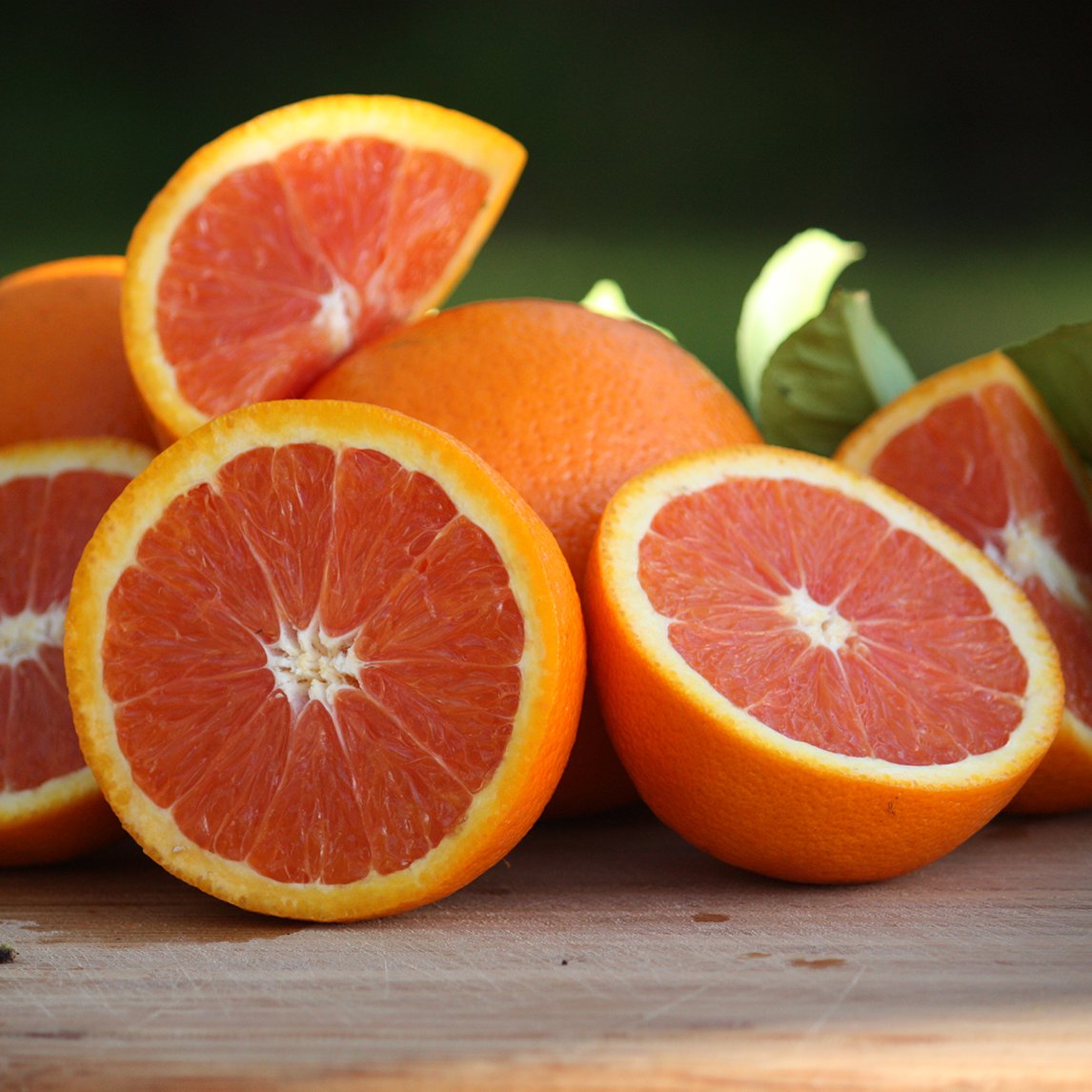
How to Store Oranges Properly
After purchasing oranges, store them in a cool, dry place if you plan to eat them within a few days.
For longer storage, keep them in the refrigerator's crisper drawer. Proper refrigeration can help preserve freshness and reduce moisture loss.
Avoid storing damaged oranges together with healthy ones, as spoiled fruit may speed up the deterioration of the rest.
A Few Things to Remember
No single characteristic—including the size of the navel—can perfectly predict how an orange will taste. Sweetness also depends on the variety, growing conditions, harvest time, and storage.
Instead of relying on just one sign, combine several observations:
- Check the size of the navel.
- Choose fruit with vibrant color.
- Pick oranges that feel heavy for their size.
- Avoid bruised or shriveled fruit.
- Buy from reputable sellers whenever possible.
Final Thoughts
A quick glance at the bottom of an orange may give you a helpful clue before you buy. While a larger navel is often associated with sweeter and juicier fruit, it's only one piece of the puzzle.
Combining this simple tip with careful attention to weight, color, firmness, and freshness can greatly improve your chances of bringing home oranges that are delicious, juicy, and full of flavor.