
These 6 Types of Eggs Could Be Unsafe to Eat - Here's What to Look For
Don't Eat an Egg Until You've Checked for These 6 Warning Signs
Health 01/07/2026 15:38
High cholesterol is often called a "silent" condition because it usually doesn't cause noticeable symptoms on its own. Many people don't realize their cholesterol levels are elevated until they're discovered during a routine blood test.
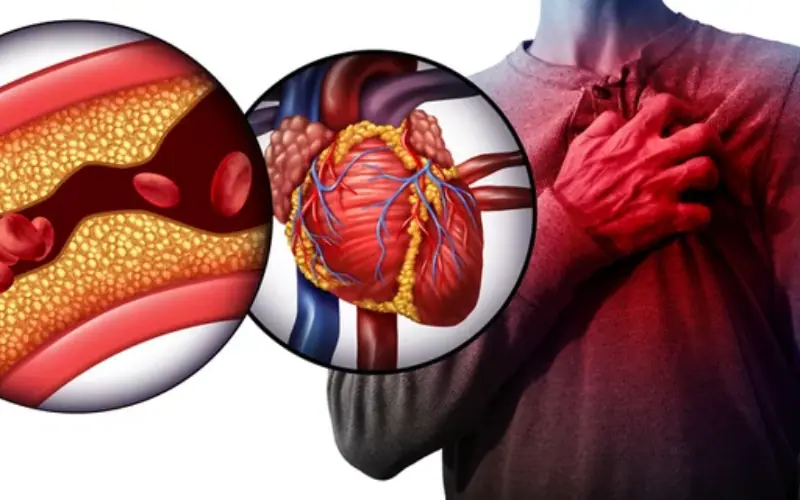
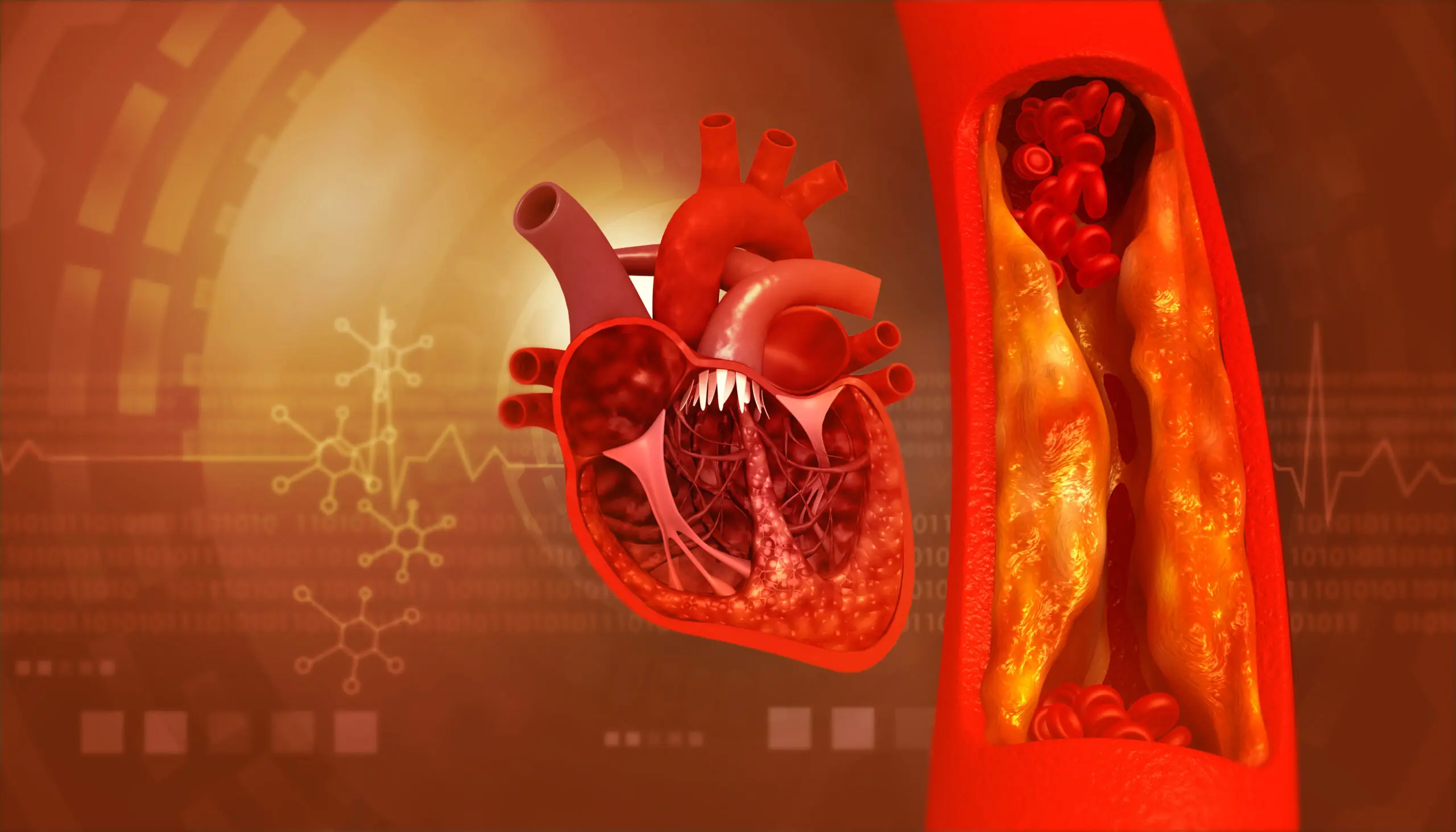
However, high cholesterol can contribute to the gradual buildup of plaque inside arteries over time. This process, known as atherosclerosis, may reduce blood flow and increase the risk of heart attack, stroke, and other cardiovascular conditions.
While no nighttime symptom can diagnose high cholesterol by itself, certain sleep-related problems may be associated with cardiovascular health or conditions that commonly occur alongside high cholesterol. If these symptoms happen frequently, they're worth mentioning to your healthcare provider.
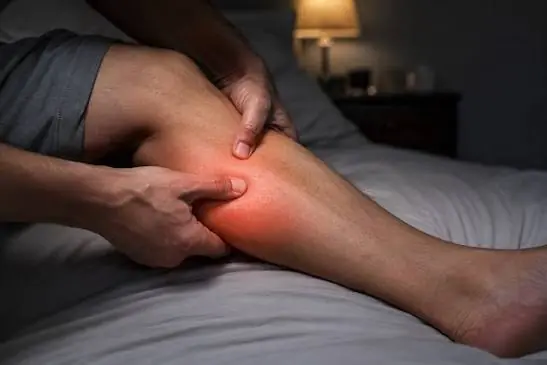
Occasional leg cramps are common and are often related to muscle fatigue, dehydration, or certain medications.
However, persistent nighttime leg pain or cramping—especially if it improves when you change position or dangle your legs over the side of the bed—may sometimes be associated with reduced circulation in the legs.
Poor circulation has many possible causes, one of which is peripheral artery disease (PAD), a condition that may occur when arteries become narrowed by plaque buildup.
If nighttime leg pain is recurring or severe, a medical evaluation is important to identify the underlying cause.
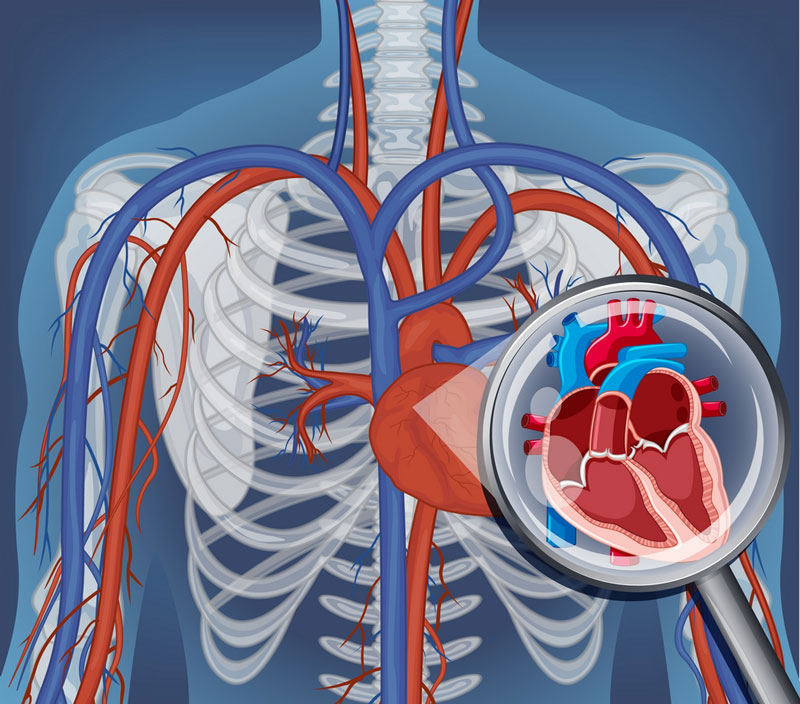
Loud snoring accompanied by pauses in breathing may be a sign of obstructive sleep apnea.
Sleep apnea itself does not cause high cholesterol, but the two conditions frequently occur together because they share common risk factors such as:
Untreated sleep apnea may also increase cardiovascular risk by placing additional stress on the heart and blood vessels.
Signs of sleep apnea include:
If these symptoms sound familiar, discussing a sleep evaluation with your healthcare provider may be worthwhile.
Everyone experiences poor sleep occasionally. But waking up feeling exhausted despite spending enough time in bed may indicate that sleep quality is being disrupted.
Many conditions can contribute to unrefreshing sleep, including:
Although fatigue alone is not a symptom of high cholesterol, it may signal another health condition that deserves attention, particularly if it persists.
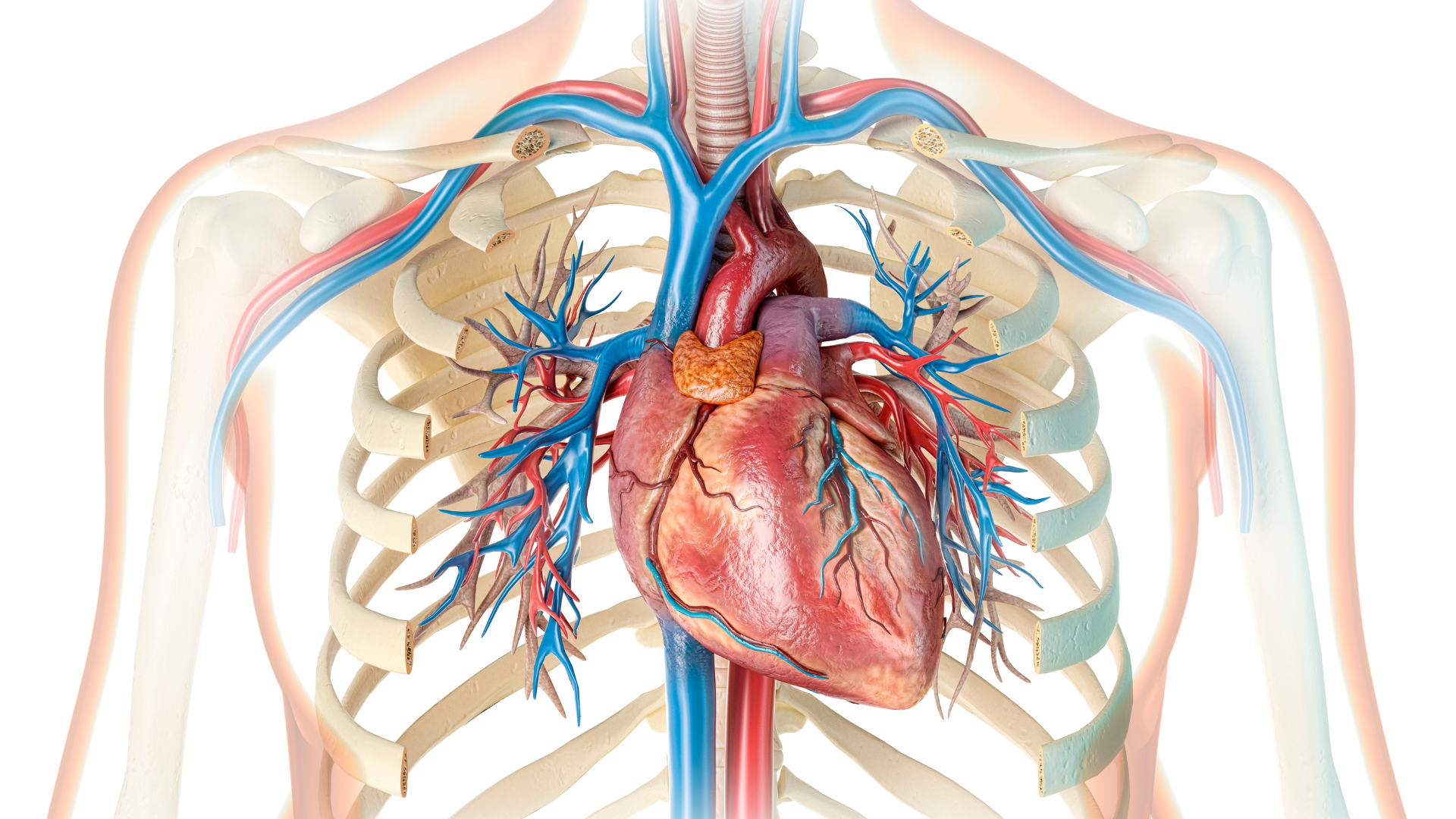
Waking up with chest discomfort, pressure, or unexplained shortness of breath should never be ignored.
These symptoms have many possible causes, including acid reflux, anxiety, lung conditions, or heart disease.
Because high cholesterol increases the long-term risk of coronary artery disease, nighttime chest symptoms deserve prompt medical evaluation—especially if they are new, severe, or accompanied by pain spreading to the arm, jaw, back, or shoulder.
Seek emergency medical care immediately if chest pain is intense, persistent, or associated with dizziness, fainting, nausea, or difficulty breathing.
Unlike many illnesses, high cholesterol rarely produces warning signs until it has already affected blood vessels.
That's why regular screening is so important.
A simple blood test can measure:
Knowing these numbers helps you and your healthcare provider make informed decisions about lifestyle changes or treatment if needed.
Healthy habits remain one of the best ways to support cardiovascular health.
These include:
If lifestyle changes alone aren't enough, your healthcare provider may recommend cholesterol-lowering medication based on your overall cardiovascular risk.
Consider scheduling a medical appointment if you experience:
Regular health checkups and cholesterol screening are especially important because high cholesterol often develops without obvious symptoms.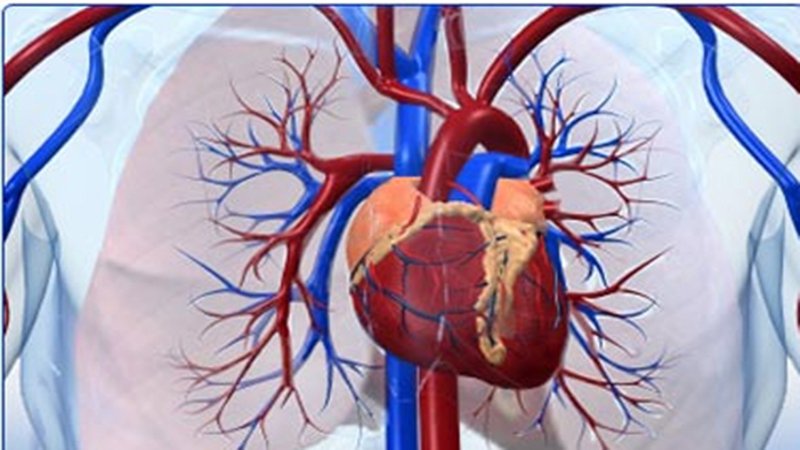
Waking up with leg cramps, loud snoring, daytime fatigue, or nighttime chest discomfort does not necessarily mean you have high cholesterol. These symptoms can have many different causes.
However, they may point to health conditions that deserve medical attention, particularly when they occur repeatedly or alongside other cardiovascular risk factors.
The most reliable way to detect high cholesterol is through a blood test. Combined with a heart-healthy lifestyle and regular medical care, early detection can help reduce the risk of future cardiovascular disease and support long-term well-being.
Don't Eat an Egg Until You've Checked for These 6 Warning Signs
Could Your Daily Routine Be Putting Your Heart Health at Risk?

Right-Side Sleeper? There Are a Few Things Worth Knowing 💡

Nutrition experts say one everyday nut may help support healthy brain aging.
😳 If Your Legs Cramp While You Sleep, Read This First

💧 The Truth About Boiling Water: 3 Habits You May Want to Change

The Truth About Daily Showers Might Surprise You

What Doctors Say About Parasite Risks in Certain Common Foods May Surprise You 👀

She Ate Boiled Sweet Potatoes Every Morning for One Year—Doctors Were Surprised
Your Diet May Play a Role in Artery Health—Here’s What to Know 👀

The Health Benefits of Chicken Feet Might Surprise You—Learn More 👇

Discover 8 Ways Banana Blossoms May Support Your Health

There are many foods that could fill you up quickly, but you wouldn’t find them on your dinner plate every night. So, what is the food that’s both deadly and widely consumed around the globe?

🍽️ Millions Love This Food—But There's One Thing Most People Never Hear About. 👇

Did You Know That Waking Up at 3 or 4 in the Morning Is a Clear Sign of Something Your Body Is Trying to Tell You?
5 Signs Your Kidneys May Be Weak — And Why You Should See a Doctor Immediately

Not a Miracle Food—But an Important Piece of a Healthy Lifestyle

The Earlier You Notice These Signs, the Better Your Chances of Taking Action.

Many people wonder about the meaning of the intriguing gesture of scratching the palm of another person’s hand, especially when it occurs between a man and a woman.
Don't Eat an Egg Until You've Checked for These 6 Warning Signs
Could Your Daily Routine Be Putting Your Heart Health at Risk?

5 Common Plants That May Encourage Snakes to Visit Your Garden
Right-Side Sleeper? There Are a Few Things Worth Knowing 💡
Nutrition experts say one everyday nut may help support healthy brain aging.
😳 If Your Legs Cramp While You Sleep, Read This First
💧 The Truth About Boiling Water: 3 Habits You May Want to Change
The Truth About Daily Showers Might Surprise You
What Doctors Say About Parasite Risks in Certain Common Foods May Surprise You 👀
She Ate Boiled Sweet Potatoes Every Morning for One Year—Doctors Were Surprised
Your Diet May Play a Role in Artery Health—Here’s What to Know 👀

Could Your Birth Month Reveal Your Relationship Style?
The Health Benefits of Chicken Feet Might Surprise You—Learn More 👇
Discover 8 Ways Banana Blossoms May Support Your Health
7 Natural Tips to Fight Tooth Decay and Maintain a Healthy, Radiant Smile
There are many foods that could fill you up quickly, but you wouldn’t find them on your dinner plate every night. So, what is the food that’s both deadly and widely consumed around the globe?
🍽️ Millions Love This Food—But There's One Thing Most People Never Hear About. 👇
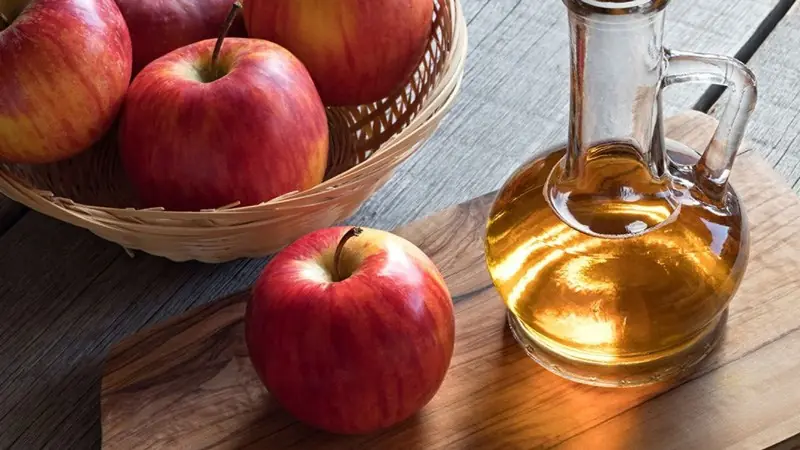
Apple Cider Vinegar: 12 Popular Uses Backed by Tradition and Research
Did You Know That Waking Up at 3 or 4 in the Morning Is a Clear Sign of Something Your Body Is Trying to Tell You?