Eggs are one of the most nutritious and versatile foods you can keep in your kitchen. Packed with high-quality protein, vitamins, minerals, and healthy fats, they are used in everything from breakfast omelets to baked goods and homemade sauces.
However, like any perishable food, eggs can spoil over time or become contaminated if they are not handled or stored properly. Eating unsafe eggs may increase the risk of foodborne illnesses caused by bacteria such as Salmonella, which can lead to symptoms like diarrhea, fever, stomach cramps, nausea, and vomiting.
The good news is that many unsafe eggs show warning signs before they're eaten. By learning what to look for, you can make safer choices and reduce food waste while protecting your health.
Here are six types of eggs you should think twice about before eating.

1. Eggs with Cracked or Broken Shells
A healthy eggshell acts as a natural barrier that helps keep harmful bacteria out.
If the shell is cracked or broken, bacteria can more easily enter the egg and multiply, especially if the egg has not been refrigerated properly.
Before buying or using eggs, inspect each shell carefully.
Avoid eggs with:
-
Visible cracks
-
Broken pieces
-
Leaking egg white or yolk
-
Sticky residue on the shell
If an egg cracks after you've purchased it, cook it as soon as possible if it has been kept refrigerated. If you're unsure how long it has been cracked, it's safest to discard it.
2. Eggs That Have a Strong or Unpleasant Odor
Fresh eggs have little to no noticeable smell.
If you crack open an egg and immediately notice a foul, sulfur-like, rotten, or unusually strong odor, do not eat it.
Spoiled eggs may produce smells described as:
-
Rotten sulfur
-
Sour
-
Putrid
-
Musty
Even if the egg appears normal, a strong odor is one of the clearest signs that it has spoiled.
Dispose of the egg immediately and wash any utensils or surfaces it touched.
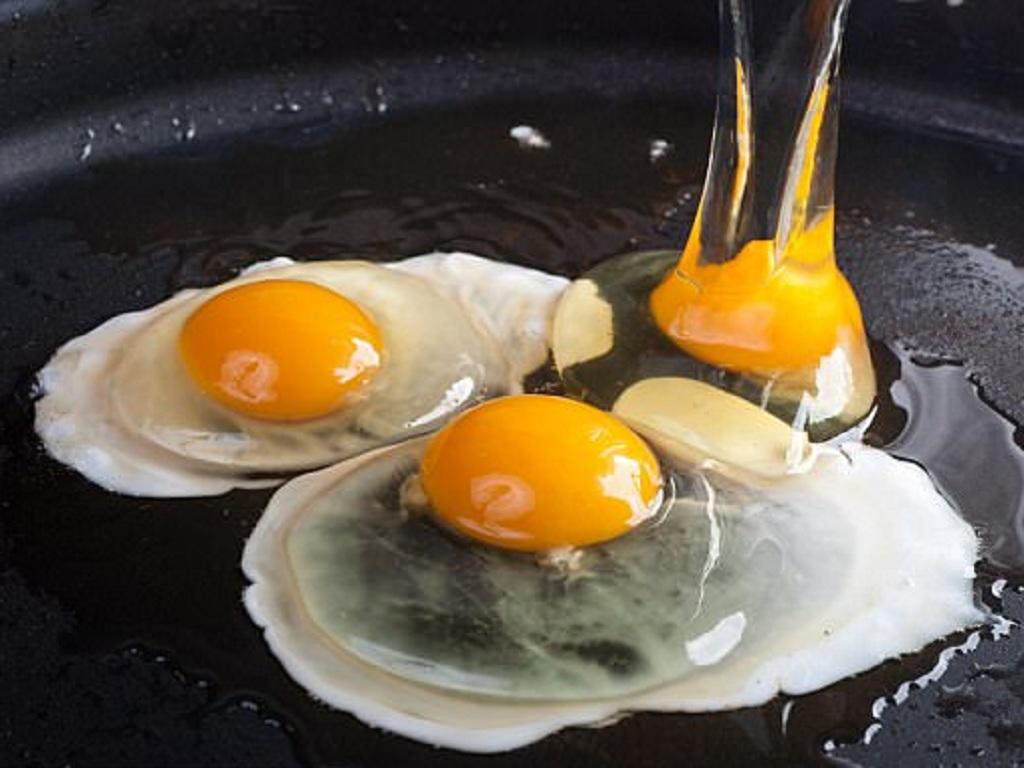
3. Eggs with Unusual Appearance Inside
After cracking an egg into a bowl, take a moment to examine it before cooking.
A fresh egg typically has:
-
A rounded, firm yolk
-
Thick egg white close to the yolk
-
Clear or slightly cloudy egg white
Avoid eggs that show signs such as:
-
Pink, green, or black discoloration
-
Mold
-
Blood mixed throughout the egg
-
Extremely watery whites with an unpleasant smell
-
Strange textures or clumps
While a tiny blood spot on the yolk is generally harmless and results from a small blood vessel breaking during egg formation, widespread discoloration or mold is not normal and should be treated as a sign of spoilage.
4. Eggs That Have Been Left Out Too Long
Temperature plays a major role in food safety.
In many countries, commercially produced eggs are refrigerated from the time they are processed until they reach consumers. Once refrigerated, they should remain refrigerated.
Leaving eggs at room temperature for extended periods may allow bacteria to multiply more rapidly.
As a general food safety guideline:
-
Refrigerated eggs should not be left out for more than about two hours.
-
In hot environments, that time may be even shorter.
If you're unsure how long eggs have been sitting out, it's safest not to eat them.
5. Eggs Past Their Recommended Storage Time
Egg cartons often include a "sell-by," "best-by," or expiration date.
These dates help guide freshness, but they don't always mean the eggs become unsafe immediately afterward.
Properly refrigerated eggs often remain usable for several weeks after purchase.
If you're uncertain about freshness, you can try the simple water test:
-
Fill a bowl with cold water.
-
Gently place the egg into the water.
Results:
-
Sinks and lies flat: Very fresh.
-
Sinks but stands upright: Older but often still usable if it passes other freshness checks.
-
Floats: The egg has likely developed a large air pocket due to age and should generally be discarded.
The water test estimates freshness, but it should always be combined with visual inspection and smell.
6. Dirty or Improperly Stored Eggs
Eggs covered with dirt, droppings, or unknown substances deserve extra attention.
Visible contamination may increase the chance that bacteria are present on the shell.
Additionally, eggs stored under poor conditions—such as in direct sunlight, near heat sources, or in damp environments—may spoil more quickly.
When purchasing eggs:
-
Choose clean cartons.
-
Inspect for intact shells.
-
Buy from refrigerated displays when appropriate.
-
Keep eggs cool during transport home.
At home, store eggs in their original carton inside the refrigerator rather than in the refrigerator door, where temperatures fluctuate more frequently.
How to Keep Eggs Fresh Longer
Proper storage helps maintain both quality and safety.
For best results:
-
Refrigerate eggs promptly.
-
Keep them in their original carton.
-
Store them on an interior refrigerator shelf rather than the door.
-
Avoid washing eggs before storage unless necessary, as washing may remove the shell's natural protective coating in some regions.
-
Use older eggs first.
Following these simple practices can help extend freshness and reduce waste.
Safe Egg Handling Tips
Even fresh eggs require careful handling.
Remember to:
-
Wash your hands before and after handling raw eggs.
-
Clean bowls, utensils, and countertops thoroughly.
-
Avoid cross-contamination with ready-to-eat foods.
-
Cook eggs until both the whites and yolks are firm if food safety is a concern.
-
Refrigerate cooked egg dishes promptly.
People at higher risk of foodborne illness—such as young children, older adults, pregnant women, and individuals with weakened immune systems—should avoid consuming raw or undercooked eggs unless they are made with pasteurized eggs.
Common Myths About Eggs
Myth: Brown eggs are healthier than white eggs.
Fact: Shell color depends on the breed of the hen and has little effect on nutritional value.
Myth: Floating eggs are always dangerous.
Fact: A floating egg is usually older because more air has entered the shell over time. While it's often best to discard floating eggs, the float test alone cannot confirm whether an egg is contaminated. Always check for odor and appearance as well.
Myth: A blood spot means the egg is unsafe.
Fact: A small blood spot is usually harmless and does not indicate fertilization or spoilage.
The Bottom Line
Eggs are a nutritious and affordable part of a healthy diet, but it's important to recognize signs that they may no longer be safe to eat. Cracked shells, foul odors, unusual colors, prolonged exposure to room temperature, excessive age, and improper storage are all warning signs that deserve attention.
Before cooking, take a few seconds to inspect your eggs. A quick check can help prevent foodborne illness, reduce unnecessary waste, and ensure you're serving fresh, safe meals to yourself and your family.
When in doubt, remember one simple rule: if an egg smells bad, looks unusual, or you're uncertain about its safety, it's best to throw it away.