
Kidney Problems Often Develop Gradually - Don't Ignore These Prevention Tips
Don't Wait for Symptoms: Ways to Support Healthy Kidney Function
The uterus plays a vital role in a woman's reproductive health, yet it often receives less attention than other aspects of wellness. While factors such as genetics, age, hormones, and lifestyle all influence uterine health, growing research suggests that diet may also play an important role.
No single food causes uterine disease or cancer on its own. However, regularly consuming a diet high in ultra-processed foods, added sugars, unhealthy fats, and alcohol may contribute to chronic inflammation, obesity, insulin resistance, and hormonal imbalances—all of which have been linked to an increased risk of certain gynecological conditions.
Making healthier dietary choices can support your overall well-being and may help reduce the risk of conditions that affect the uterus. Here are five types of foods and beverages that are worth limiting as part of a balanced diet.

Processed meats, such as bacon, sausages, hot dogs, salami, pepperoni, and deli meats, are often high in sodium, saturated fat, and preservatives like nitrates and nitrites.
Research has associated frequent consumption of processed meats with an increased risk of several chronic diseases, including certain cancers. While evidence specifically linking processed meats to uterine cancer is less clear, diets rich in processed foods may contribute to obesity and chronic inflammation two well-established risk factors for endometrial (uterine lining) cancer.
Instead of processed meats, consider healthier protein sources such as:
Skinless poultry
Fish
Beans
Lentils
Tofu
Eggs
These foods provide important nutrients without many of the additives found in processed meats.
Sugar-sweetened beverages, candy, pastries, and desserts can contribute to excess calorie intake and weight gain when consumed frequently.
Being overweight or obese is one of the strongest known risk factors for endometrial cancer. Excess body fat can increase estrogen levels after menopause, exposing the uterine lining to more estrogen without enough progesterone to balance its effects. Over time, this hormonal imbalance may increase the risk of abnormal growth in the endometrium.
Common sources of added sugar include:
Soft drinks
Sweetened coffee beverages
Energy drinks
Fruit-flavored drinks
Cakes
Cookies
Ice cream
Candy
Choosing water, sparkling water, unsweetened tea, or fresh fruit instead of sugary snacks can help support a healthier body weight and overall health.
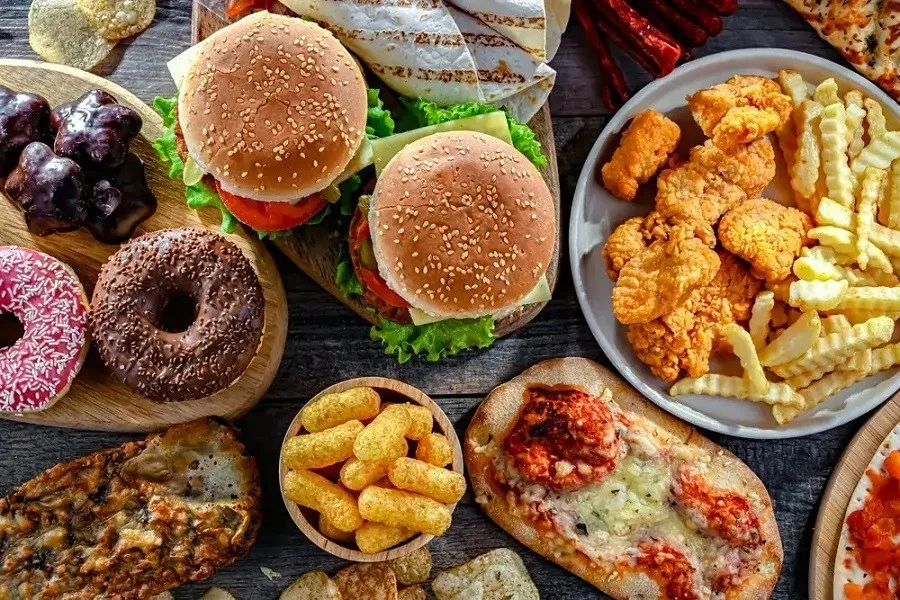
Ultra-processed foods are products that have been heavily modified from their original ingredients and often contain added sugars, refined starches, unhealthy fats, salt, artificial flavors, and preservatives.
Examples include:
Packaged snack foods
Instant noodles
Frozen fast-food meals
Potato chips
Sugary breakfast cereals
Fast-food burgers
Deep-fried convenience foods
Diets high in ultra-processed foods have been linked to obesity, type 2 diabetes, cardiovascular disease, and chronic inflammation.
Although these foods do not directly cause uterine disease, replacing them with whole foods may support better hormonal balance and overall reproductive health.
Aim to fill your plate with:
Fresh vegetables
Fruits
Whole grains
Lean proteins
Healthy fats
Legumes
Alcohol affects many organs, including the liver, which plays an important role in hormone metabolism.
Heavy alcohol consumption has been linked to an increased risk of several cancers, including breast, liver, colorectal, and esophageal cancers. Some studies suggest alcohol may also influence estrogen levels, although its direct relationship with uterine cancer is still being studied.
If you choose to drink alcohol, moderation is important.
Health organizations generally recommend limiting alcohol intake, and some experts advise that avoiding alcohol altogether provides the lowest cancer risk.
Artificial trans fats were once common in many processed baked goods and fried foods. Although many countries have significantly reduced their use, they may still be found in some packaged products.
Trans fats have been associated with:
Increased inflammation
Higher LDL ("bad") cholesterol
Lower HDL ("good") cholesterol
Greater risk of heart disease
Chronic inflammation may contribute to various health problems, including certain reproductive disorders.
Check food labels for ingredients such as "partially hydrogenated oils," and choose healthier fats instead, including:
Olive oil
Avocados
Nuts
Seeds
Fatty fish like salmon
Rather than focusing only on foods to avoid, it's equally important to include foods that support overall health.
Spinach, kale, broccoli, and other leafy greens provide:
Folate
Vitamin C
Vitamin K
Fiber
Antioxidants
These nutrients support healthy cell function and may help reduce inflammation.
Blueberries, strawberries, raspberries, and blackberries are rich in antioxidants that help protect cells from oxidative stress.
A diet rich in colorful fruits may contribute to overall health and support the body's natural defense systems.
Whole grains such as oats, brown rice, quinoa, and whole wheat contain fiber that helps regulate blood sugar and supports digestive health.
Fiber may also play a role in maintaining healthy hormone balance.
Omega-3 fatty acids found in salmon, sardines, walnuts, flaxseeds, and chia seeds may help reduce inflammation and support cardiovascular health.
Including healthy fats in your diet also promotes overall hormonal health.
Beans, lentils, and chickpeas provide:
Plant protein
Fiber
Iron
Magnesium
Folate
These foods are nutritious, filling, and can be part of a balanced eating pattern.
Diet is only one piece of the puzzle.
Additional healthy habits include:
Maintaining a healthy body weight
Exercising regularly
Getting enough sleep
Managing stress
Avoiding smoking
Attending routine gynecological checkups
Discussing unusual symptoms with your healthcare provider
Early evaluation of symptoms such as abnormal vaginal bleeding, pelvic pain, or unusual discharge can lead to earlier diagnosis of many conditions.
Many uterine conditions are treatable, especially when detected early.
See a healthcare professional if you experience:
Bleeding after menopause
Heavy or prolonged menstrual bleeding
Bleeding between periods
Persistent pelvic pain
Pain during intercourse
Unexplained fatigue
Abnormal vaginal discharge
These symptoms do not necessarily indicate cancer, but they should always be evaluated.
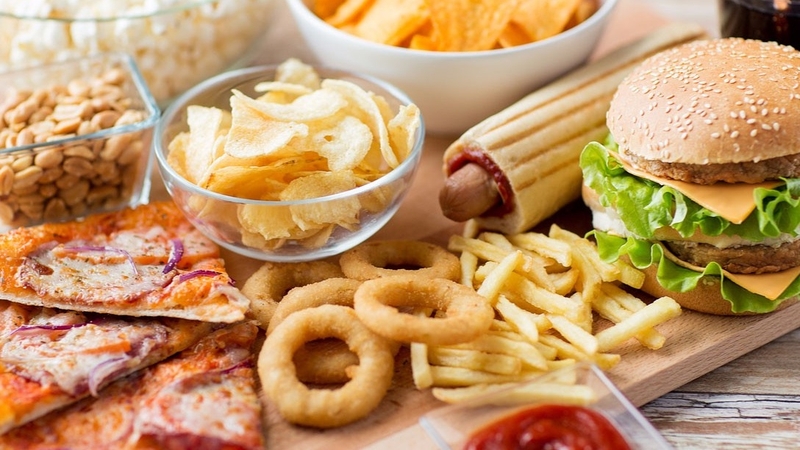
Your diet alone cannot determine whether you develop uterine disease, but it can influence many factors that affect long-term health. Frequently eating processed meats, sugary foods, ultra-processed meals, alcohol, and foods high in trans fats may contribute to obesity, inflammation, and hormonal imbalances, which are associated with an increased risk of certain uterine conditions.
On the other hand, a balanced diet rich in vegetables, fruits, whole grains, legumes, lean proteins, and healthy fats can support overall reproductive health and reduce the risk of many chronic diseases.
The best approach is not to fear individual foods but to focus on building healthy eating habits over time. Combined with regular physical activity, preventive healthcare, and routine medical checkups, these habits can help support a healthy uterus and improve your overall well-being for years to come.
Don't Wait for Symptoms: Ways to Support Healthy Kidney Function

Support Stronger Legs Naturally with These 3 Nutritious Drinks
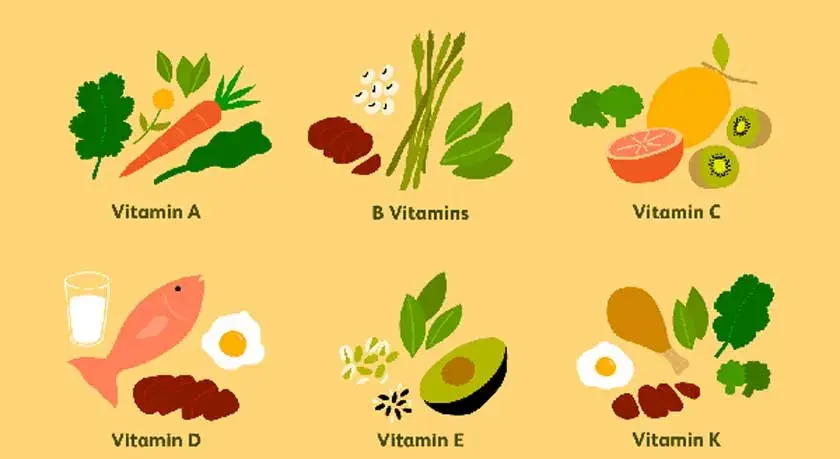
After Age 60, These 4 Vitamins Become More Important Than Ever
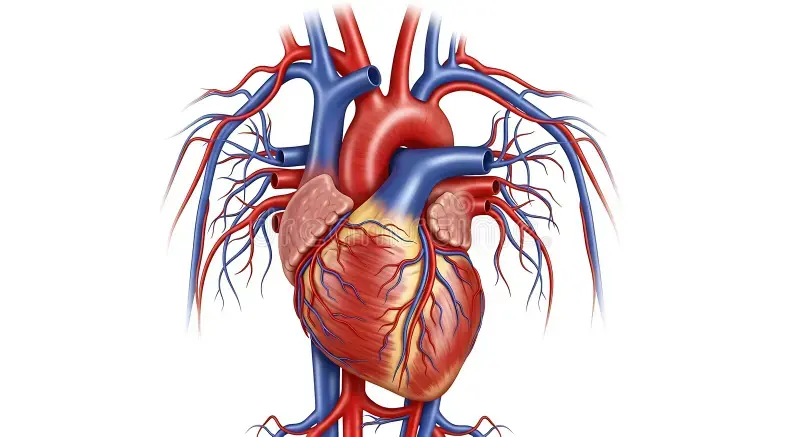
Your Heart May Be Sending Signals Before a Heart Attack. Here Are 7 to Know.

Don't Eat an Egg Until You've Checked for These 6 Warning Signs
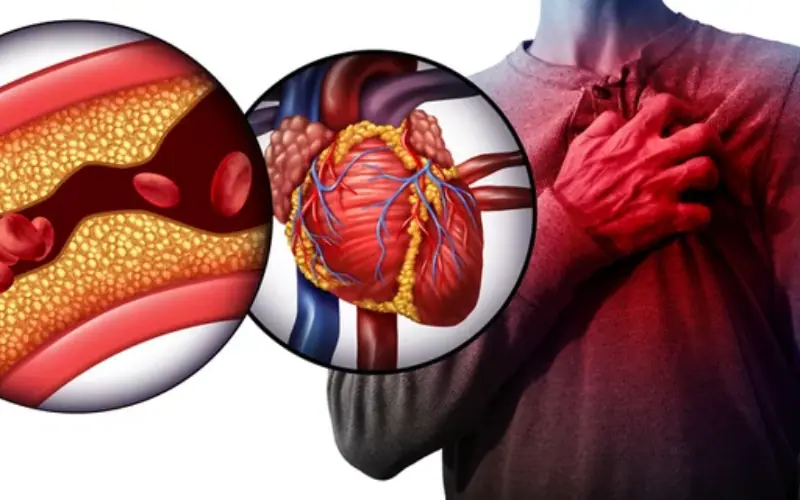
Could Your Daily Routine Be Putting Your Heart Health at Risk?

Right-Side Sleeper? There Are a Few Things Worth Knowing 💡
❤️ Your Blood Vessels Could Be Trying to Tell You Something. Find Out More 👇
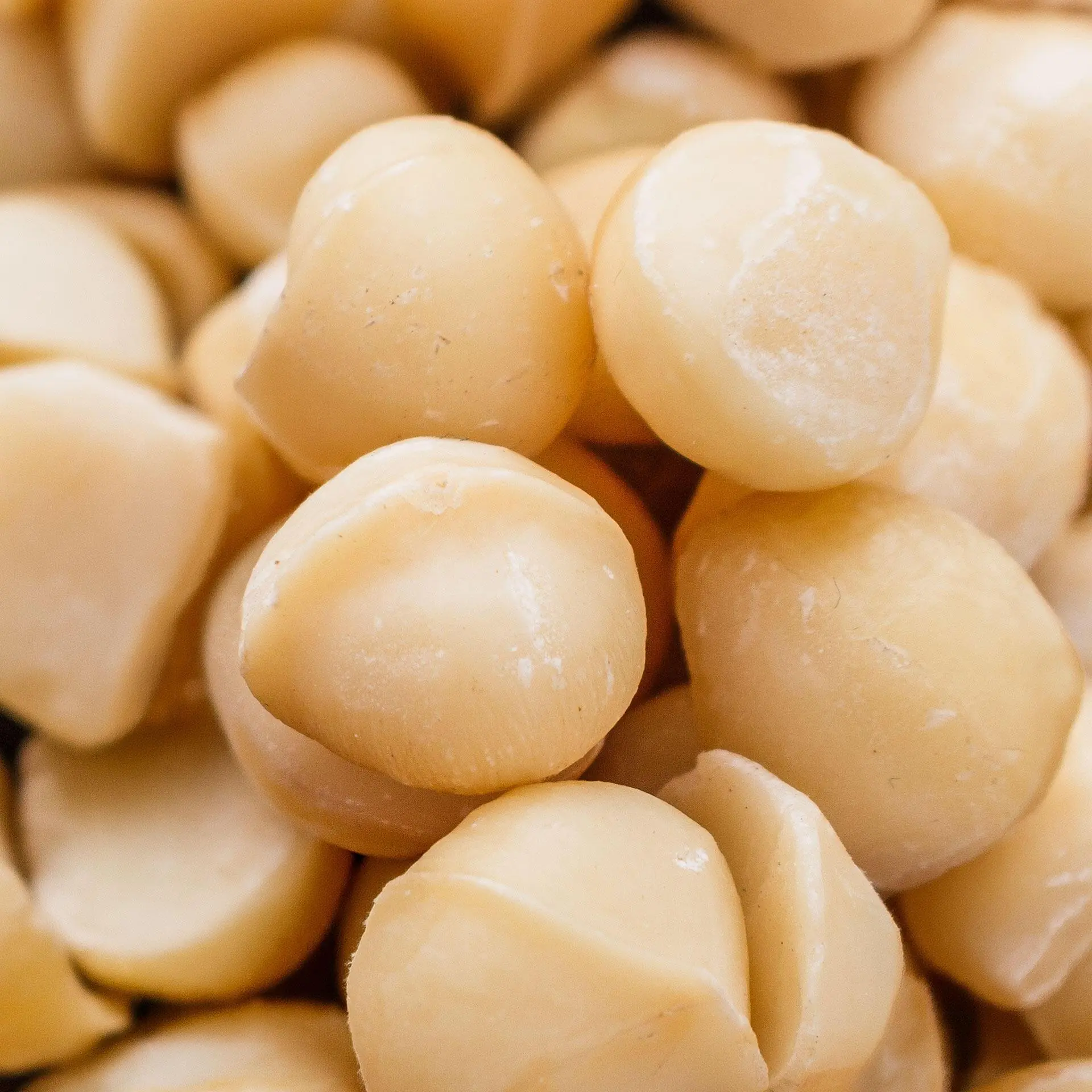
Nutrition experts say one everyday nut may help support healthy brain aging.

😳 If Your Legs Cramp While You Sleep, Read This First

💧 The Truth About Boiling Water: 3 Habits You May Want to Change

The Truth About Daily Showers Might Surprise You
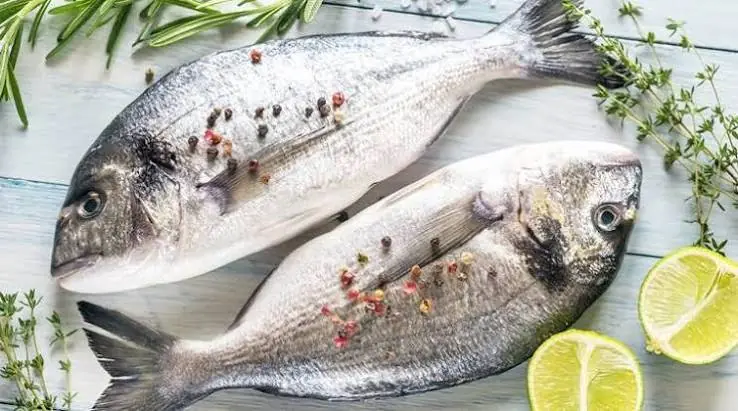
What Doctors Say About Parasite Risks in Certain Common Foods May Surprise You 👀
She Ate Boiled Sweet Potatoes Every Morning for One Year—Doctors Were Surprised
Your Diet May Play a Role in Artery Health—Here’s What to Know 👀
The Health Benefits of Chicken Feet Might Surprise You—Learn More 👇

Discover 8 Ways Banana Blossoms May Support Your Health

There are many foods that could fill you up quickly, but you wouldn’t find them on your dinner plate every night. So, what is the food that’s both deadly and widely consumed around the globe?

🍽️ Millions Love This Food—But There's One Thing Most People Never Hear About. 👇
Don't Wait for Symptoms: Ways to Support Healthy Kidney Function
Support Stronger Legs Naturally with These 3 Nutritious Drinks
After Age 60, These 4 Vitamins Become More Important Than Ever
Your Heart May Be Sending Signals Before a Heart Attack. Here Are 7 to Know.
Don't Eat an Egg Until You've Checked for These 6 Warning Signs
Could Your Daily Routine Be Putting Your Heart Health at Risk?

5 Common Plants That May Encourage Snakes to Visit Your Garden
Right-Side Sleeper? There Are a Few Things Worth Knowing 💡
❤️ Your Blood Vessels Could Be Trying to Tell You Something. Find Out More 👇
Nutrition experts say one everyday nut may help support healthy brain aging.
😳 If Your Legs Cramp While You Sleep, Read This First
💧 The Truth About Boiling Water: 3 Habits You May Want to Change
The Truth About Daily Showers Might Surprise You
What Doctors Say About Parasite Risks in Certain Common Foods May Surprise You 👀
She Ate Boiled Sweet Potatoes Every Morning for One Year—Doctors Were Surprised
Your Diet May Play a Role in Artery Health—Here’s What to Know 👀

Could Your Birth Month Reveal Your Relationship Style?
The Health Benefits of Chicken Feet Might Surprise You—Learn More 👇
Discover 8 Ways Banana Blossoms May Support Your Health