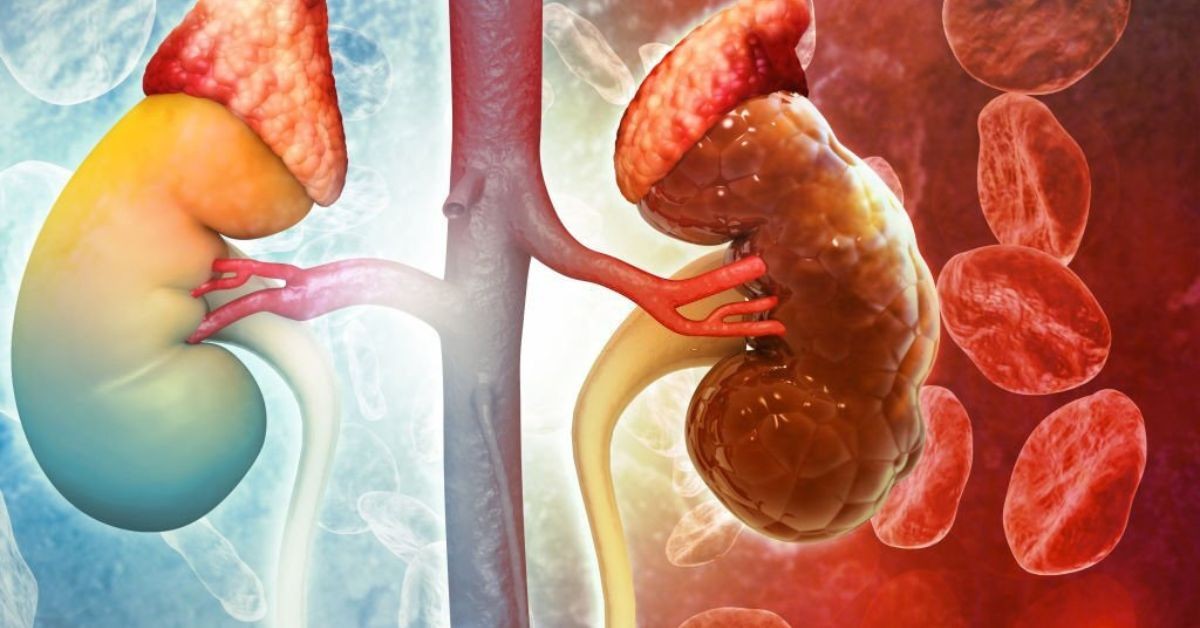
Your kidneys may be small, but they perform some of the most important jobs in your body. Every day, these two bean-shaped organs filter about 50 gallons (around 190 liters) of blood, removing waste products, balancing fluids, regulating minerals, helping control blood pressure, and producing hormones that support healthy red blood cells and strong bones.
Because the kidneys work so efficiently, early kidney disease often develops without noticeable symptoms. Many people don't realize their kidneys are under stress until significant damage has already occurred. The encouraging news is that many of the leading risk factors for kidney disease can be managed through healthy lifestyle choices and regular medical care.
While no prevention strategy can eliminate every risk, adopting kidney-friendly habits may help protect kidney function and reduce the likelihood of chronic kidney disease.
Here are several important steps you can take to support healthy kidneys.
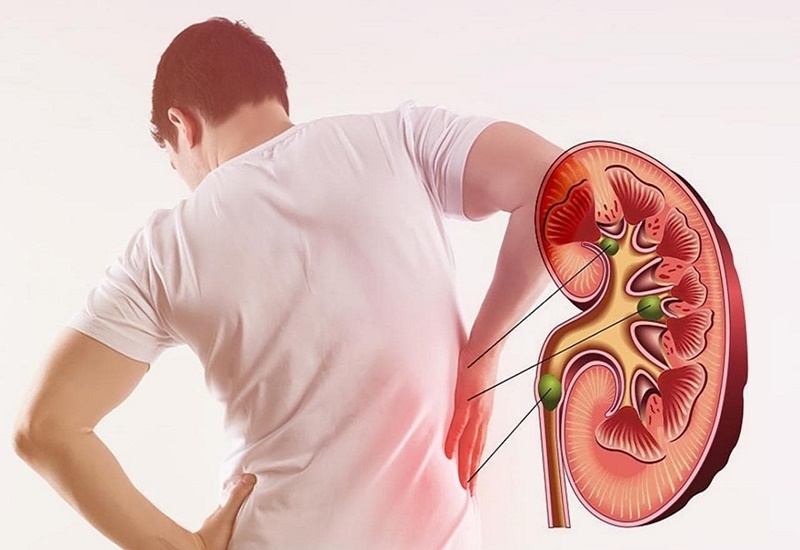
1. Stay Well Hydrated
Water is essential for healthy kidney function.
Your kidneys rely on adequate fluid intake to help remove waste products through urine and maintain the body's fluid balance.
Drinking enough water may help:
-
Support normal kidney filtration
-
Reduce urine concentration
-
Lower the risk of some types of kidney stones
-
Help maintain overall hydration
Fluid needs vary depending on:
-
Age
-
Activity level
-
Climate
-
Medical conditions
-
Pregnancy
For most healthy adults, drinking water regularly throughout the day is a good approach. However, people with certain kidney or heart conditions may need individualized fluid recommendations from their healthcare provider.
2. Control Blood Pressure
High blood pressure is one of the leading causes of chronic kidney disease.
Over time, elevated blood pressure can damage the tiny blood vessels inside the kidneys, reducing their ability to filter blood effectively.
To help maintain healthy blood pressure:
-
Reduce excessive sodium intake.
-
Exercise regularly.
-
Maintain a healthy weight.
-
Limit alcohol.
-
Avoid smoking.
-
Take prescribed blood pressure medications as directed.
Regular blood pressure checks can identify problems before complications develop.
3. Manage Blood Sugar
Diabetes is another major cause of kidney disease.
Persistently high blood sugar can damage the kidneys' filtering units over time.
If you have diabetes:
-
Monitor your blood sugar regularly.
-
Follow your treatment plan.
-
Attend routine medical appointments.
-
Eat a balanced diet.
-
Stay physically active.
Good blood sugar control can significantly reduce the risk of diabetic kidney disease.
4. Eat a Kidney-Friendly Diet
A balanced diet supports overall health and may reduce stress on the kidneys.
Focus on eating:
-
Fresh vegetables
-
Fruits
-
Whole grains
-
Beans and legumes
-
Lean proteins
-
Healthy fats such as olive oil and nuts
Try to limit:
-
Highly processed foods
-
Excess sodium
-
Sugary beverages
-
Excessive added sugars
-
Large amounts of processed meats
Rather than following restrictive diets without medical advice, aim for long-term healthy eating habits.
5. Stay Physically Active
Regular exercise benefits nearly every organ in the body—including the kidneys.
Physical activity helps:
-
Lower blood pressure
-
Improve blood sugar control
-
Support a healthy body weight
-
Improve circulation
-
Reduce inflammation
Adults are generally encouraged to aim for at least:
-
150 minutes of moderate-intensity exercise each week
Walking, swimming, cycling, dancing, and gardening are all excellent options.
Choose activities you enjoy so you're more likely to stay consistent.
6. Avoid Smoking
Smoking reduces blood flow throughout the body, including to the kidneys.
It also increases the risk of:
-
High blood pressure
-
Heart disease
-
Stroke
-
Kidney disease progression
Quitting smoking benefits both kidney health and overall cardiovascular health.
Even if you've smoked for many years, stopping now can still improve your long-term health.
7. Use Pain Relievers Carefully
Some over-the-counter pain medications, particularly nonsteroidal anti-inflammatory drugs (NSAIDs), can affect kidney function when used frequently or in high doses.
Examples include:
-
Ibuprofen
-
Naproxen
These medications may be appropriate when used occasionally as directed, but long-term or excessive use can increase the risk of kidney problems in some individuals.
Always:
-
Follow dosage instructions.
-
Avoid unnecessary long-term use.
-
Speak with your healthcare provider if you need frequent pain relief.
8. Maintain a Healthy Weight
Excess body weight increases the risk of several conditions that affect the kidneys, including:
-
High blood pressure
-
Type 2 diabetes
-
Heart disease
Even modest weight loss, when appropriate, may improve blood pressure and blood sugar control.
Healthy weight management is best achieved through:
-
Balanced nutrition
-
Regular physical activity
-
Consistent healthy habits
Crash diets are generally not recommended.
9. Limit Excessive Alcohol
Heavy alcohol consumption can contribute to:
-
High blood pressure
-
Liver disease
-
Dehydration
-
Weight gain
All of these factors may indirectly affect kidney health.
If you choose to drink alcohol, moderation is generally recommended.
10. Schedule Regular Health Checkups
Kidney disease often develops silently.
Routine medical care can detect early changes before symptoms appear.
Important tests may include:
-
Blood pressure measurement
-
Blood sugar testing
-
Blood tests to estimate kidney function (such as eGFR)
-
Urine tests to check for protein or albumin
People at higher risk—including those with diabetes, high blood pressure, heart disease, or a family history of kidney disease—may benefit from more frequent screening.
Early Warning Signs of Kidney Problems
Although early kidney disease may cause few symptoms, more advanced disease can produce:
-
Swelling in the feet or ankles
-
Persistent fatigue
-
Changes in urination
-
Blood in the urine
-
Foamy urine
-
Difficulty concentrating
-
Loss of appetite
-
Muscle cramps
-
Persistent itching
-
High blood pressure that's difficult to control
These symptoms can have many possible causes, but they should always be evaluated by a healthcare professional.
Who Is Most at Risk?
Some people have a higher chance of developing kidney disease.
Risk factors include:
-
Diabetes
-
High blood pressure
-
Obesity
-
Heart disease
-
Smoking
-
Older age
-
Family history of kidney disease
-
Certain autoimmune diseases
-
Recurrent kidney stones
Knowing your personal risk factors can help guide preventive care.
Everyday Habits That Support Healthy Kidneys
Simple daily choices add up over time.
Try to:
-
Drink enough water.
-
Eat more fresh foods.
-
Read nutrition labels.
-
Stay active.
-
Sleep seven to nine hours each night.
-
Manage stress.
-
Avoid unnecessary tobacco use.
-
Follow your healthcare provider's recommendations.
Healthy habits benefit not only your kidneys but also your heart, brain, and overall well-being.

The Bottom Line
Kidney problems often develop gradually, and many people experience few or no symptoms during the early stages. Fortunately, maintaining healthy blood pressure, controlling blood sugar, staying hydrated, eating a balanced diet, exercising regularly, avoiding smoking, using medications responsibly, and attending routine medical checkups can all help support healthy kidney function.
While these habits cannot guarantee prevention, they can significantly reduce your risk of chronic kidney disease and contribute to better overall health. Remember, the best time to protect your kidneys is long before problems arise. Small, consistent choices made every day can have a lasting impact on your kidney health for years to come.