
Keep Ginger Fresh and Intact for a Long Time With This Simple Trick
Ginger is one of those kitchen staples that almost everyone loves to keep on hand. A small piece can instantly elevate the flavor of soups, stir-fries, teas, and marinades, while also offering well-known health benefits such as aiding digestion, reducing inflammation, and helping to fight colds. However, ginger has one frustrating downside: it spoils surprisingly fast. Left on the counter or forgotten in the fridge, it can quickly become dry, shriveled, moldy, or soft.
The good news is that you don’t need expensive containers or complicated methods to keep ginger fresh. With one simple trick and a few smart storage habits, you can extend the life of ginger for weeks—or even months—while preserving its flavor, aroma, and nutrients.
Why Ginger Spoils So Easily
Fresh ginger root contains a high amount of moisture. When exposed to air, it gradually dries out, losing both flavor and texture. In humid conditions, the opposite problem occurs: excess moisture encourages mold growth. Ginger can also absorb odors from other foods, which affects its taste over time.
That’s why simply tossing ginger into the vegetable drawer often leads to disappointment. To keep ginger intact for the long term, the key is controlling both air and moisture exposure.
The Simple Trick: Wrap, Seal, and Chill
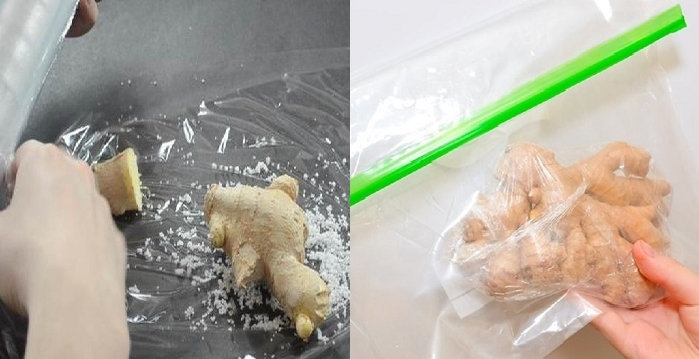
The easiest and most effective way to store whole ginger is this three-step method:
-
Do not wash the ginger before storing.
Moisture on the surface speeds up spoilage. If the ginger is dirty, gently brush off any soil with a dry cloth or paper towel. -
Wrap it tightly.
Use a paper towel to wrap the ginger completely. The paper towel helps absorb excess moisture without drying it out too much. -
Seal it in an airtight container or zip-top bag.
Place the wrapped ginger in a zip-top bag, squeeze out as much air as possible, or store it in a small airtight container. -
Store it in the refrigerator.
Keep it in the crisper drawer or a cool corner of the fridge.
With this method, whole ginger can stay fresh for three to four weeks, sometimes even longer, without becoming moldy or shriveled.
What If Ginger Is Already Cut?
Once ginger is cut, it becomes more vulnerable to air and bacteria. However, you can still keep it fresh by following a similar approach.
Wrap the cut ginger tightly in a paper towel, then seal it in an airtight container or bag before refrigerating. Make sure the cut surface is well protected. Check it every few days and replace the paper towel if it becomes damp.
Used this way, cut ginger can last up to two weeks while staying firm and flavorful.
The Long-Term Solution: Freezing Ginger
If you often find yourself throwing away unused ginger, freezing might be the best option.
To freeze ginger:
-
Peel the ginger (optional, but recommended for convenience).
-
Cut it into chunks or grate it.
-
Place it in an airtight freezer-safe bag or container.
-
Label with the date and freeze.
Frozen ginger can last for several months without losing much of its taste. Even better, you can grate it directly from frozen—no need to thaw. This makes it perfect for cooking, soups, and teas.
An Alternative Method: Submerging in Alcohol
Another lesser-known but effective method is storing ginger in alcohol, such as vodka or rice wine. Place peeled or unpeeled ginger in a clean glass jar, cover it completely with alcohol, seal tightly, and store it in the fridge.
This method keeps ginger fresh for a very long time while preventing mold growth. As a bonus, the infused alcohol can later be used in cooking. However, this method may slightly alter the ginger’s flavor, so it’s best for savory dishes rather than desserts.
Signs Ginger Has Gone Bad
Even with proper storage, it’s important to know when ginger is no longer safe to use. Discard ginger if you notice:
-
Visible mold (white, green, or black spots)
-
A strong sour or unpleasant smell
-
Extremely soft, mushy texture
-
Excessive shriveling combined with loss of aroma
Slight dryness is usually fine—ginger can still be used if it’s firm and smells fresh.
A Small Habit That Saves Money and Reduces Waste
Keeping ginger fresh isn’t just about convenience; it’s also about reducing food waste and saving money. Ginger may seem inexpensive, but repeatedly throwing it away adds up over time. With one simple habit—wrapping it properly, sealing it, and storing it correctly—you can always have fresh ginger ready when you need it.
In the end, this small change in how you store ginger can make a noticeable difference in your kitchen routine. Fresher ginger means better flavor, better nutrition, and fewer last-minute trips to the store. Sometimes, the simplest tricks really do work best.
News in the same category


Want Stronger, Healthier Hair? Science-Backed Tips to Nourish Your Hair Naturally

Don't Toss Your Used Coffee Grounds! Brilliant Ways to Reuse Them Around Your Home and Garden

The Hidden Reason Savvy Travelers Check Under the Bed With a Water Bottle
😲 A Water Bottle Under the Bed? Here's Why So Many Travelers Recommend It

Bean Sprouts: 8 Impressive Health Benefits of This Crunchy Superfood

Betel Leaves: 8 Traditional Uses and Potential Health Benefits Backed by Science

You've Probably Never Tried Putting Salt in Your Toilet—Here's Why Some People Swear By It
🚽 This Common Kitchen Ingredient Could Help Freshen Your Toilet Overnight ✨

Plant Oil vs. Animal Fat: How to Tell the Difference and Which One Is Better?

Why Are People Putting Empty Plastic Bottles in the Washing Machine? The Simple Laundry Trick That Surprises Many
One Empty Bottle Could Change the Way You Do Laundry

Which Baby Would You Pick? A Fun Personality Quiz That Reveals More Than You Expect
Your first choice may reveal surprising clues about your personality today.

How to Defrost a Frosty Freezer Safely: Simple Tricks That Really Work
Remove freezer ice safely with simple methods that save time and energy.

The Mysterious "Soft Gold" Found in Rice Bins: What Is Ambergris and Why Is It So Valuable?
A rare ocean treasure can be worth a fortune—but it's not what you think.

Bananas: 8 Amazing Health Benefits That Make This Everyday Fruit a Nutritional Powerhouse

Eggs: 8 Incredible Health Benefits That Make Them One of Nature’s Perfect Foods

Why Walnuts Deserve a Place in Your Daily Diet: 8 Impressive Health Benefits

The Hidden Uses of Silica Gel Packs That Most People Never Discover
💸 One Tiny Packet Could Help You Prevent Costly Damage Around the House 👇

Tiny but Mighty: 8 Amazing Health Benefits of Sesame Seeds You Should Know

Want to Know if Your Honey Is Pure? Start With These Simple Tests
Don't Be Fooled! Here's How to Tell Whether Your Honey Is Pure or Adulterated

If your eggs have a green ring around the yolk, it means
Most People Think It's Spoiled—The Truth May Surprise You
News Post

Coconut Water Is Nutritious But These 6 Groups Should Drink It with Caution
Is Coconut Water Right for Everyone? Here's What Certain People Should Know

Don't Ignore These Insects If They Keep Appearing on Your Walls...
⚠️ If These Insects Keep Appearing on Your Walls, Don't Ignore Them...👇

Don't Dismiss Swollen Legs—They Can Have Several Possible Causes
What Causes Swollen Legs? Some Reasons May Surprise You

Feeling Congested? Here Are 9 Ways That May Help Ease Mucus Buildup
9 Home Care Tips to Help Reduce Mucus and Phlegm

Okra: Science-Backed Health Benefits of This Nutrient-Packed Green Vegetable

What You Should Know About H. pylori—The Hidden Infection Many People Miss
Doctors Say Millions Are Carrying This Stomach Bacteria Without Knowing It 😨👇

Avocados: Science-Backed Health Benefits of Nature's Creamy Superfood

These Tiny White Spots Could Be a Sign of an Underlying Skin Condition
Think Those Tiny White Spots Are Nothing? Think Again...

You Won't Believe What Eating Too Much Avocado Could Do to Your Body
This Healthy Food Can Cause Problems If You Eat Too Much 😱🥑

Can Eating a Banana Before Bed Improve Your Sleep? Here's What to Know
Thinking About Eating a Banana Before Bed? Read This First 👇

Doctors Say These 4 Foods May Be Risky If They Aren't Cooked or Prepared Correctly
Improperly Prepared? These 4 Foods Could Expose You to Parasites

6 Common Foods That May Affect Your Thyroid—What Experts Want You to Know
Many People Overlook the Connection Between Food and Thyroid Health—These 6 Foods Stand Out

If Your Dog Suddenly Starts Sniffing Your Genital Area, Here's What It Could Mean
This Common Dog Behavior Could Be Trying to Tell You Something About Your Health…

10 Warning Signs Your Kid.neys May Be in Danger: Symptoms You Should Never Ignore
10 Silent Signs Your Kidneys Could Be Crying for Help

What Happens to Your Body When You Eat Guava? Doctors Reveal the Surprising Benefits
Eating guava regularly may improve immunity, digestion, heart health, and more.

Drinking a Cup of Warm Water Before Bed: Five Surprising Benefits You Should Know
A simple bedtime habit may support hydration, relaxation, and better health.

Doctors Say Beetroot May Transform Your Body in Unexpected Ways
Beetroot is rich in nutrients that may support heart and overall health.

If You Have These 9 Types of Itching, Your Body May Be Trying to Tell You Something
These 9 Itching Symptoms May Reveal More About Your Health Than You Think 👇

Visible Veins: What They May Reveal About Your Body—and When to See a Doctor
Visible veins are often normal, but some changes deserve medical attention.

The Vegetable Most Likely To Carry Parasites Is Also One Many People Love Eating Raw