Most people enjoy lemons for their juice and immediately throw the peels away without a second thought. What many don’t realize is that lemon peels are packed with natural acids and essential oils that make them incredibly useful for household cleaning and odor control.
Instead of wasting them, you can turn lemon peels into a powerful, eco-friendly cleaning tool that helps keep your home fresh, hygienic, and chemical-free - all while saving money.
Here are some of the most practical and surprisingly effective ways to use lemon peels in everyday life.
1. Naturally Disinfect Cutting Boards
Cutting boards - especially wooden ones - can harbor bacteria, food residue, and unpleasant odors.
Lemon peels contain citric acid, which has natural antibacterial and deodorizing properties.
How to do it:
-
Rinse the cutting board with water
-
Sprinkle a small amount of salt over the surface
-
Rub the board firmly with the inside of a lemon peel
-
Focus on stained or smelly areas
-
Rinse thoroughly and let it air-dry
This method helps remove stains, kill bacteria, and leave the board smelling fresh.
2. Remove Grease and Oil from Kitchen Surfaces
Greasy kitchen counters, stovetops, and backsplash areas can be difficult to clean with water alone.
Lemon peel solution:
-
Sprinkle salt onto greasy spots
-
Use a lemon peel to scrub the area
-
The acid cuts through grease while the salt acts as a mild abrasive
-
Wipe clean with a damp cloth
This works especially well on tiled surfaces and stainless steel.
3. Deodorize and Clean the Sink
Kitchen sinks often develop stubborn odors from food waste and moisture.
How lemon peels help:
-
Rub the peel directly on the sink surface
-
Pay attention to drain edges and corners
-
Rinse with warm water
The citrus oils neutralize odors while loosening stains, leaving your sink clean and refreshed.
4. Clean the Microwave Without Harsh Chemicals
Food splatters inside the microwave can harden over time and become difficult to remove.
Easy steam-clean method:
-
Place lemon peels or lemon slices in a bowl of water
-
Microwave on high for about 5 minutes
-
Let the steam loosen food residue
-
Carefully remove the bowl
-
Wipe the interior with a cloth
The result: a clean microwave with no chemical smell—just fresh citrus.
5. Eliminate Trash Can Odors
Trash bins often absorb unpleasant smells, even when empty.
Simple trick:
-
Place lemon peels at the bottom of the trash bag
-
Or rub lemon peel directly inside the trash can
Lemon oils help neutralize odors and keep the bin smelling fresher for longer.
6. Restore Shine to Metal Objects
Over time, metal items such as sinks, faucets, pots, and pans can lose their shine.
How to polish metal naturally:
-
Sprinkle salt or apply a small amount of toothpaste to a lemon peel
-
Rub the peel onto the metal surface
-
Let it sit for 5–10 minutes
-
Rinse with water and dry with a clean cloth
This method helps remove tarnish and restore brightness without scratching.
7. Repel Ants and Small Insects
Ants and some insects dislike the strong acidic scent of citrus.
Natural insect deterrent:
-
Place lemon peels near doorways, windows, or cracks
-
Squeeze lemon juice along entry points
-
Refresh every few days
This creates a natural barrier that helps keep insects out without using toxic sprays.
8. Make a Natural All-Purpose Cleaning Solution
You can turn lemon peels into a powerful homemade cleaner using vinegar.
How to make it:
-
Place lemon peels in a glass jar
-
Pour vinegar over the peels until fully submerged
-
Seal the jar and let it sit for 1–2 weeks
-
Strain the liquid and dilute with water
How to use:
-
Clean dishes and kitchen surfaces
-
Wipe bathroom tiles and sinks
-
Remove soap scum and grime
This solution is effective, affordable, and free of harsh chemicals.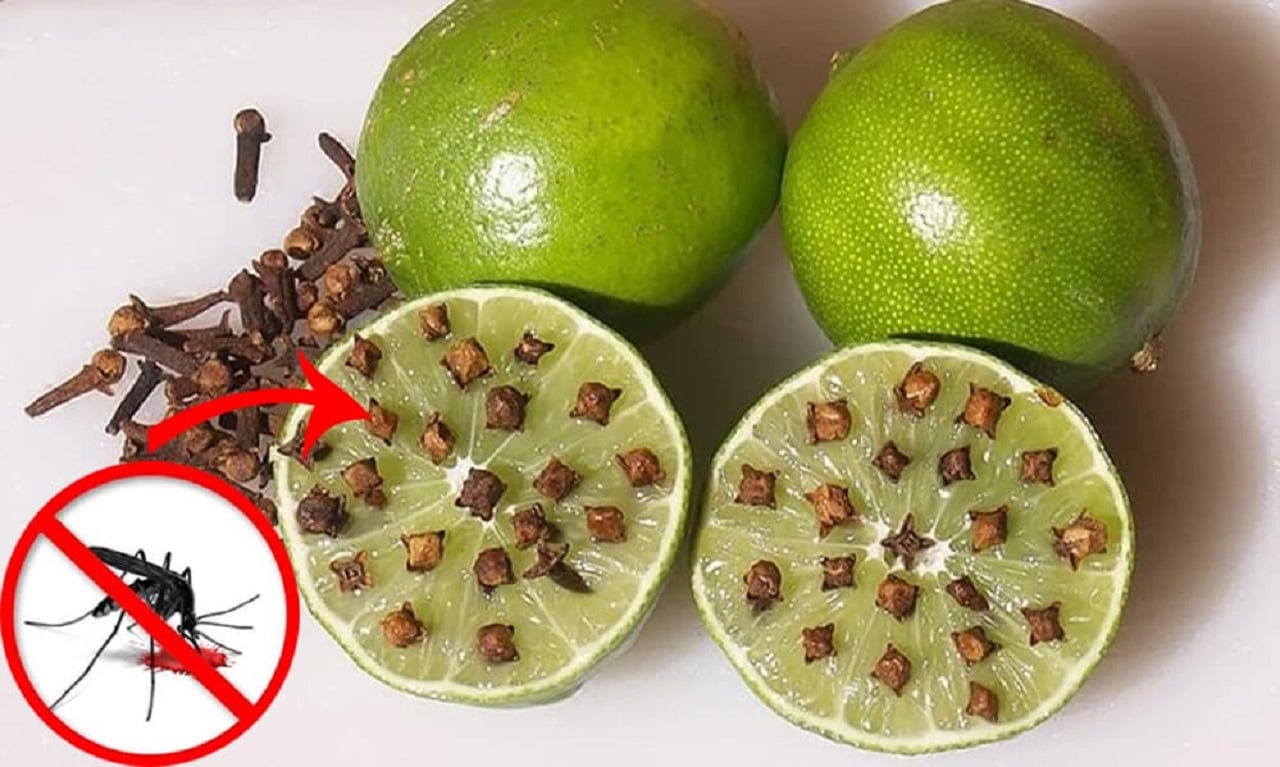
Additional Benefits of Using Lemon Peels at Home
-
Reduces reliance on chemical cleaners
-
Saves money on household products
-
Creates a fresher, more natural scent
-
Environmentally friendly and biodegradable
Final Thoughts
Lemon peels are far more valuable than most people realize. With their natural acidity, antibacterial properties, and refreshing scent, they can replace many store-bought cleaners and deodorizers.
By reusing lemon peels in these simple ways, you not only reduce waste but also create a cleaner, healthier living space - naturally and affordably.
Next time you use a lemon, think twice before throwing the peel away. Your home can benefit more than you imagine.