Pest problems are a common headache in many households, especially when it comes to bed bugs, ants, cockroaches, fleas, and other crawling insects. While chemical pesticides can be effective, they often come with strong odors, potential health risks, and environmental concerns. For this reason, many people are turning to natural pest control methods that are safer, affordable, and easier to use at home.
Two of the most popular natural solutions are diatomaceous earth and cloves. When used correctly, these natural substances can help control pests without relying on harsh chemicals.
Why Choose Natural Pest Control?
Natural pest control methods are appealing for several reasons:
-
Reduced exposure to toxic chemicals
-
Safer for homes with children and pets (when used properly)
-
Environmentally friendly
-
Lower risk of pests developing resistance
-
Often inexpensive and widely available
Diatomaceous earth and cloves work in very different ways, making them useful either alone or together as part of an integrated pest control approach.
What Is Diatomaceous Earth?
Diatomaceous earth (often called DE) is a fine powder made from the fossilized remains of microscopic algae known as diatoms. These fossils are rich in silica and have sharp, abrasive edges at the microscopic level.
How Diatomaceous Earth Works on Insects
Unlike chemical poisons, diatomaceous earth kills insects mechanically, not chemically.
-
It damages the insect’s outer protective layer (exoskeleton)
-
This causes the insect to lose moisture
-
The insect eventually dies from dehydration
Because of this physical action, pests cannot develop resistance to diatomaceous earth.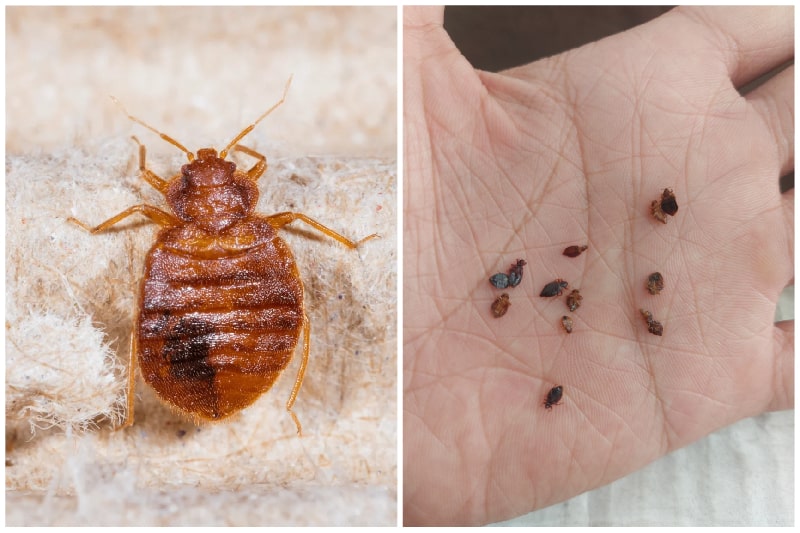
Using Diatomaceous Earth Against Bed Bugs
Bed bugs are notoriously difficult to eliminate, but diatomaceous earth can be an effective tool when used properly.
Where to Apply Diatomaceous Earth
-
Mattress seams and edges
-
Bed frames and headboards
-
Cracks in walls or floors
-
Baseboards
-
Under furniture
-
Around electrical outlets (lightly and carefully)
Apply a thin, even layer. More is not better—pests must walk through the powder for it to work.
Important Notes for Safety
-
Always use food-grade diatomaceous earth, not pool-grade
-
Avoid inhaling the dust
-
Wear a mask during application if needed
-
Keep the area dry, as moisture reduces effectiveness
What Are Cloves and Why Do They Repel Pests?
Cloves are a common kitchen spice, but they contain a powerful compound called eugenol, which has strong insect-repellent properties.
Many insects find the smell of cloves overwhelming and avoid areas where it is present.
Pests Cloves Can Help Repel
-
Bed bugs
-
Ants
-
Cockroaches
-
Fleas
-
Mosquitoes
-
Pantry pests
Cloves do not usually kill insects directly, but they are very effective at repelling and discouraging infestation.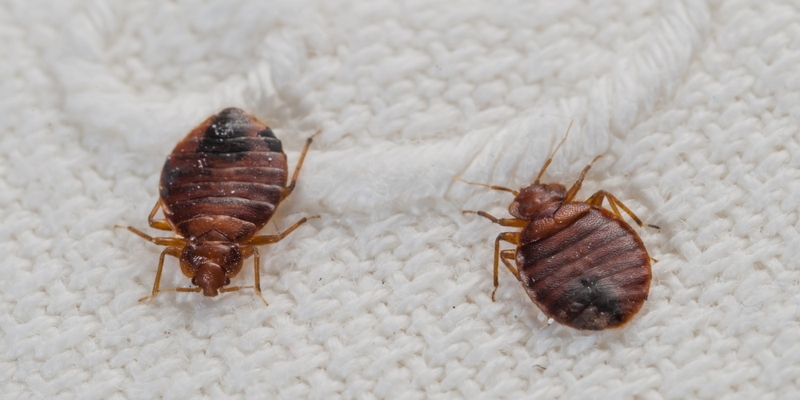
How to Use Cloves for Pest Control
1. Whole Cloves
Place whole cloves in:
-
Drawers
-
Closets
-
Bedside tables
-
Corners of rooms
-
Pantry shelves
This method works well for prevention.
2. Clove Sachets
Put whole cloves in small breathable bags or cloth pouches and place them near sleeping areas or entry points.
3. Clove Oil Spray
You can make a natural repellent spray by:
-
Mixing a few drops of clove essential oil with water
-
Adding a small amount of mild soap as an emulsifier
-
Spraying lightly around baseboards, bed frames, and cracks
Avoid spraying directly onto skin or delicate surfaces.
Combining Diatomaceous Earth and Cloves
Using both together can be especially effective:
-
Diatomaceous earth kills insects that crawl through treated areas
-
Cloves discourage insects from entering or nesting
For example:
-
Apply diatomaceous earth along cracks and hiding spots
-
Place cloves or clove sachets nearby to repel additional pests
This combination creates both a barrier and a deterrent.
Other Pests These Methods Can Help Control
Beyond bed bugs, these natural solutions may help manage:
-
Ant infestations
-
Cockroaches
-
Fleas in carpets or pet areas
-
Silverfish
-
Pantry insects
However, severe infestations may still require professional pest control.
Limitations of Natural Pest Control
While effective, natural methods have limits:
-
They work more slowly than chemical pesticides
-
Require consistent application
-
May not fully eliminate large infestations
-
Best used as part of a broader cleaning and prevention plan
Good hygiene, decluttering, vacuuming, and sealing cracks are essential for long-term success.
Safety Considerations
-
Keep diatomaceous earth away from air vents
-
Avoid inhalation by people and pets
-
Store cloves and oils safely out of reach of children
-
Test sprays on small areas first
When used responsibly, these methods are generally safe and low-risk.
Final Thoughts
Diatomaceous earth and cloves offer a powerful, natural approach to pest control. While they may not replace professional treatments in extreme cases, they are excellent tools for prevention, early intervention, and maintenance.
By understanding how these natural substances work and using them correctly, you can protect your home from pests in a safer, more environmentally conscious way - without filling your living space with harsh chemicals.