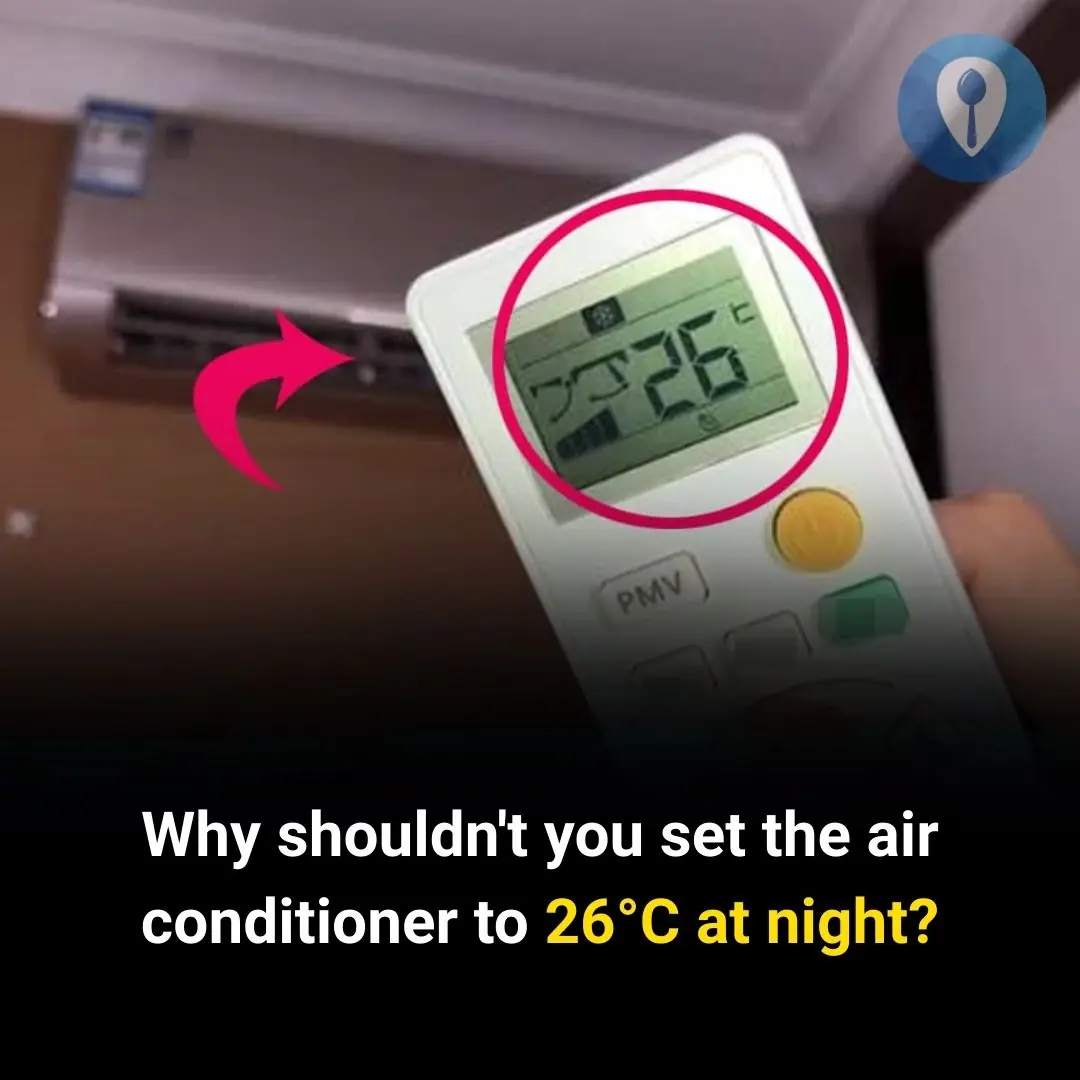
Why shouldn’t you set the air conditioner to 26°C at night?
Experts advise against setting the air conditioner at 26°C while sleeping. After reading this article, I realized the hidden harms of this seemingly harmless habit and have learned valuable lessons to improve the quality of my sleep and overall health.
To save electricity, many people often search online for tips on using the air conditioner efficiently, and the most widely spread advice is "setting the air conditioner to 26°C helps save electricity optimally."
Is setting the air conditioner to 26°C really saving electricity?
Many believe that setting the air conditioner to 26°C will help save electricity, but according to experts, this temperature setting at night is not the best choice for both health and electricity bills.
In fact, the principle of saving electricity when using the air conditioner is: the closer the set temperature is to the outdoor temperature, the less energy is consumed. In summer, when outdoor temperatures often exceed 30°C, it’s not recommended to set the air conditioner too low. Instead, the ideal temperature should be around 28°C.
Experts say that each time you increase the air conditioner by 1°C, you can save about 8% of electricity—this slight difference does not significantly affect your comfort. Compared to 26°C, setting the temperature to 28°C in summer not only saves electricity but also helps the body feel more comfortable, especially at night.
At night, the outdoor temperature typically drops significantly—especially from 10 PM to 3 AM—while the body is less active, and body temperature also decreases. If you leave the air conditioner at 26°C throughout the night, you may get too cold, leading to colds or respiratory problems.
On the other hand, 28°C at night is considered the "balance point"—it’s cool enough for easy sleep, doesn’t require thick blankets, and isn’t too cold to harm your health. To save even more electricity, you can switch the air conditioner to sleep mode (Sleep Mode), which will automatically adjust the temperature over time, matching your body’s needs during rest.
Tips for using the air conditioner to save electricity and maintain good health:
In addition to adjusting the temperature correctly, you can apply the following tips to use the air conditioner effectively, save electricity, and ensure good health:
1. Combine the use of a fan with the air conditioner
When using the air conditioner, combine it with a fan to help circulate the cool air evenly throughout the room. This helps cool the room faster and more effectively. For example, with the air conditioner set to 28°C and a fan on, you can still feel the coolness as if the temperature is set to 24°C.
2. Avoid turning the air conditioner on and off repeatedly
A common mistake is turning the air conditioner on and off repeatedly to "save electricity." In fact, the air conditioner consumes the most electricity when restarting. If you are going out for a short period (less than an hour), it’s best to leave the air conditioner running continuously with a stable temperature rather than turning it off completely.
3. Adjust the airflow direction properly
When turning on the air conditioner, adjust the airflow to direct upwards. This is because cold air is heavier and will slowly descend, creating a convection flow that helps cool the room evenly and faster.
4. Clean the air conditioner regularly
If the air conditioner's dust filter is not cleaned, dust accumulates, reducing its cooling efficiency and causing the air conditioner to consume more electricity. At the same time, bacteria and dust can harm your health. Be sure to clean it regularly, at least every 3–6 months.
5. Choose energy-efficient air conditioners
When buying an air conditioner, choose products with high-efficiency energy labels—especially those that meet the new Level 1 energy efficiency standards. These models usually save more electricity compared to older or lower-grade models.
6. Increase the room's airtightness
Limit hot air from entering the room by checking and sealing gaps around windows and doors. Closing curtains during the day is also an effective way to reduce heat from sunlight, helping the air conditioner work more efficiently.