
Are You Eating Garlic the Wrong Way? Common Mistakes That Could Affect Your Health
Before You Eat Garlic, Here Are the Mistakes You Should Avoid
Health 26/07/2026 12:11
Hip pain is a common complaint that affects people of all ages, although it becomes more frequent as we get older. While occasional soreness after exercise may simply result from overuse, persistent or worsening hip pain can sometimes signal an underlying medical condition that deserves attention.
The hip is one of the body's largest and strongest joints. It supports your weight when you stand, walk, climb stairs, and even when you're sitting. Because so many muscles, tendons, ligaments, and bones work together around the hip, pain can originate from many different structures.
Although hip pain is often caused by conditions such as arthritis or muscle strain, it may occasionally indicate a more serious problem. Understanding the possible causes and recognizing warning signs can help you know when it's time to consult a healthcare professional.
The hip is a ball-and-socket joint formed by:
Because the hip bears much of your body weight, even minor damage can cause noticeable discomfort.
The hip is one of the largest weight-bearing joints in the body and is essential for everyday movement.
One of the most common causes of hip pain is osteoarthritis, particularly in adults over the age of 50.
Over time:
Common symptoms include:
Symptoms often develop slowly over several years.
Small fluid-filled sacs called bursae reduce friction around the hip.
When these sacs become inflamed, the condition is called bursitis.
Symptoms include:
Bursitis often improves with rest, physical therapy, and anti-inflammatory treatment when appropriate.
Athletes and physically active individuals frequently experience muscle injuries around the hip.
These may result from:
Symptoms usually include:
Most mild strains improve with rest and gradual rehabilitation.
Not all hip pain originates inside the joint itself—muscles, tendons, and ligaments are also common sources.
Hip fractures occur most commonly in:
Typical symptoms include:
A hip fracture is a medical emergency requiring prompt evaluation.
The hip labrum is a ring of cartilage that helps stabilize the joint.
A tear may occur because of:
Symptoms may include:
Diagnosis often requires MRI or other specialized imaging.
Sometimes the hip itself is healthy, but pain comes from another part of the body.
Common sources include:
This is known as referred pain.
Healthcare professionals evaluate both the hip and surrounding structures to identify the true source.
The lower back, pelvis, and hip are closely connected, making accurate diagnosis important.
Pain that worsens while lying in bed may occur with:
If nighttime pain becomes persistent or severe, medical evaluation is recommended.
Pain during walking may indicate:
A healthcare provider may observe your walking pattern (gait) to help identify the cause.
If hip pain occurs together with:
An infection of the joint (septic arthritis) is one possible cause and requires urgent medical attention.
Although much less common, hip pain can occasionally be associated with:
These conditions are uncommon but may be considered when symptoms are persistent, severe, or accompanied by other concerning findings.
X-rays, MRI, CT scans, and ultrasound may be used to determine the underlying cause of persistent hip pain.
Risk factors include:
Not everyone with these risk factors develops hip problems, but awareness can encourage earlier evaluation.
Your healthcare provider may recommend:
Treatment depends entirely on the underlying cause.
Depending on the diagnosis, treatment may include:
The best treatment plan varies from person to person.
Appropriate strengthening and flexibility exercises may improve hip function and reduce pain for many conditions.
Simple lifestyle habits can support long-term hip health:
Seek medical evaluation if you experience:
Prompt assessment is especially important if symptoms are sudden or severe.
Hip pain is not always a sign of a serious condition, but it should never be ignored if it is persistent, worsening, or affecting your daily activities. In many cases, the cause is something treatable, such as arthritis, bursitis, or a muscle strain. Less commonly, hip pain may point to fractures, infections, or other significant medical conditions that require timely care.
The key is not to assume the cause based on symptoms alone. A proper evaluation by a qualified healthcare professional can identify the underlying problem and guide the most appropriate treatment. Early diagnosis often leads to better pain control, improved mobility, and a higher quality of life.
Before You Eat Garlic, Here Are the Mistakes You Should Avoid

People Notice This After Eating Beetroot…

Months of Bloating, Then a Shocking Discovery. 130 Mystery "Seeds" Found Inside During Surgery
She Never Thought Breakfast Was the Problem... Until It Was Too Late

These 5 Household Appliances Should Be Unplugged After Use

People need to be careful about drinking these drinks before going to bed
She Regretted This Habit Too Late—Don’t Make the Same Mistake

70-year-old man drinks lemon water to treat high blo.od pressure for 2 years, faces unexpected outcome
Your kidneys could be silently struggling
If your doctor orders you to have a colonoscopy, simply tell him the following ..
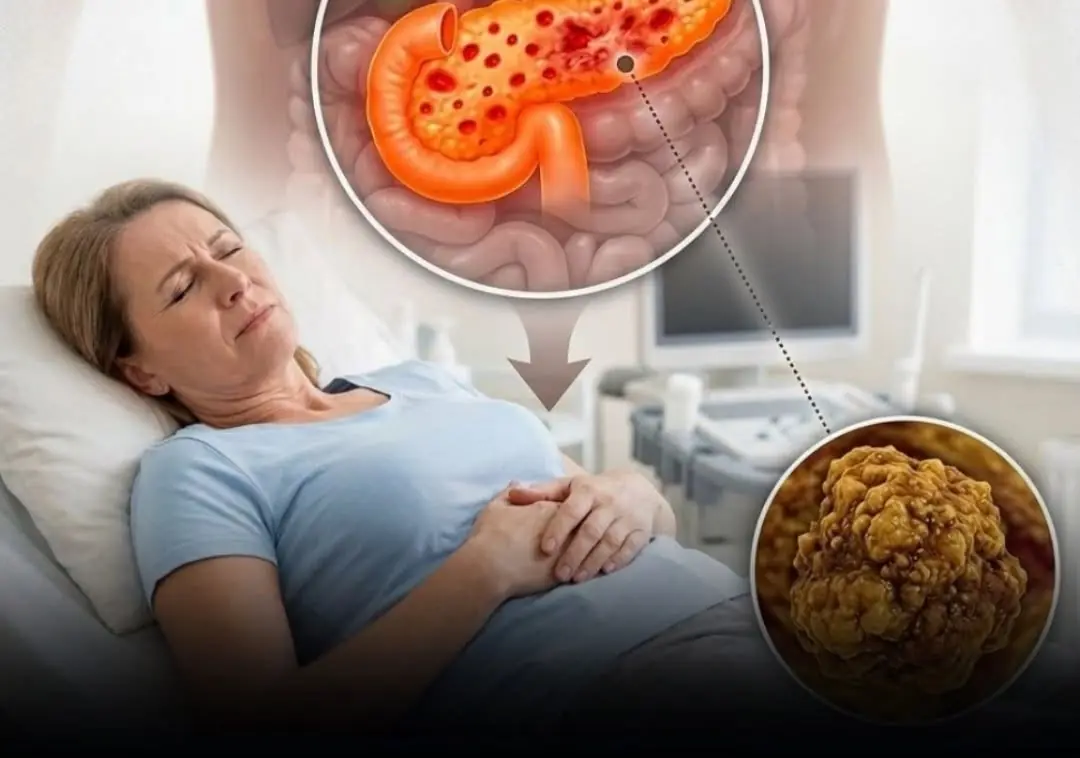
Pancreatic Cancer Is Often Called a Silent Disease — Watch for These Signs

Healthy habits can help many people improve fatty liver over time safely.
Bed bug bites can cause itchy rashes, but simple steps can help prevent them.

Heart-friendly foods can help support healthy arteries and circulation daily.

Nighttime itching may be a sign of pinworms—learn what to watch for.

This everyday food is safe... until you eat too much of it.
Your body may be sending important signals while you sleep.
Millions eat these chicken parts every day... but should they?
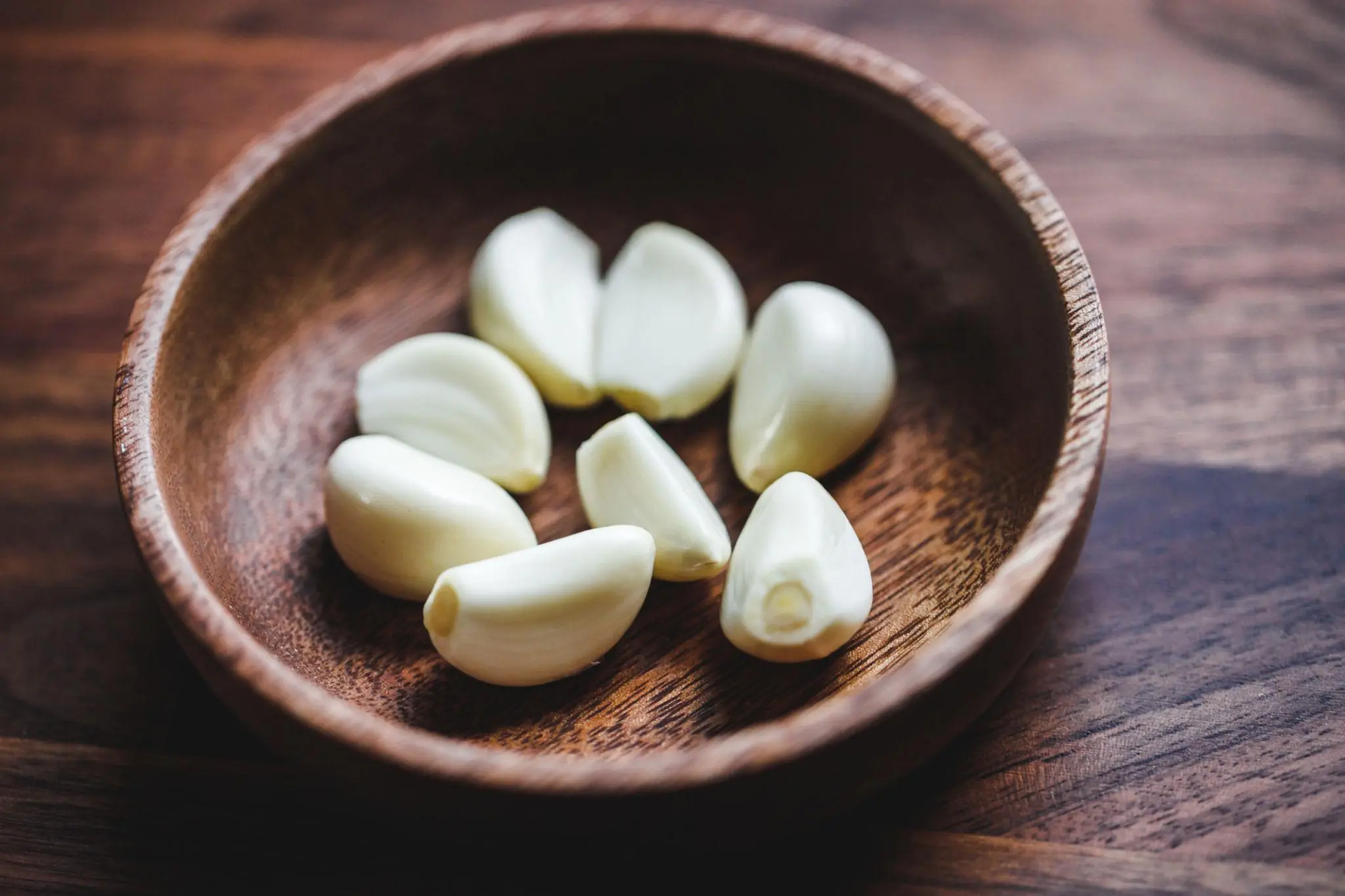
Most people think garlic is harmless... until they learn this.
Before You Eat Garlic, Here Are the Mistakes You Should Avoid
People Notice This After Eating Beetroot…
Months of Bloating, Then a Shocking Discovery. 130 Mystery "Seeds" Found Inside During Surgery
She Never Thought Breakfast Was the Problem... Until It Was Too Late
These 5 Household Appliances Should Be Unplugged After Use
People need to be careful about drinking these drinks before going to bed
She Regretted This Habit Too Late—Don’t Make the Same Mistake
70-year-old man drinks lemon water to treat high blo.od pressure for 2 years, faces unexpected outcome
Your kidneys could be silently struggling
If your doctor orders you to have a colonoscopy, simply tell him the following ..
Pancreatic Cancer Is Often Called a Silent Disease — Watch for These Signs

Healthy habits can help many people improve fatty liver over time safely.
Bed bug bites can cause itchy rashes, but simple steps can help prevent them.
Heart-friendly foods can help support healthy arteries and circulation daily.
Nighttime itching may be a sign of pinworms—learn what to watch for.
This everyday food is safe... until you eat too much of it.
Your body may be sending important signals while you sleep.
Millions eat these chicken parts every day... but should they?