
Are You Eating Garlic the Wrong Way? Common Mistakes That Could Affect Your Health
Before You Eat Garlic, Here Are the Mistakes You Should Avoid
Health 26/07/2026 12:11
Colonoscopy is one of the most effective tools available for preventing and detecting colorectal cancer. Yet, despite its proven benefits, many people postpone or refuse the procedure because of fear, embarrassment, or misconceptions. Some worry that the examination will be painful, while others believe they only need one if they already have symptoms.
The reality is quite different. A colonoscopy is not just a test to find cancer—it is also a powerful way to prevent it. During the procedure, doctors can identify and remove precancerous polyps before they have the chance to develop into cancer. This makes colonoscopy one of the few cancer screening tests that can actually stop cancer before it starts.
If your healthcare provider recommends a colonoscopy, it's usually because the benefits outweigh the risks. Understanding why this examination is important may help ease anxiety and encourage timely screening.
A colonoscopy is a medical procedure that allows a doctor to examine the inside of your large intestine (colon and rectum) using a thin, flexible tube called a colonoscope. The device has a tiny camera and light at its tip, allowing detailed images of the intestinal lining to appear on a monitor.
The procedure helps doctors:
Most colonoscopies take between 20 and 45 minutes, depending on the findings and whether any polyps need to be removed.
During a colonoscopy, a flexible camera allows doctors to carefully examine the lining of the colon and identify abnormalities.
A doctor may recommend a colonoscopy for several reasons.
For people at average risk, many medical organizations recommend beginning colorectal cancer screening around age 45, although the appropriate age may vary depending on personal and family history and local guidelines.
Early screening has significantly reduced deaths from colorectal cancer because many cancers are found before symptoms appear.
If a close relative has had:
Your doctor may recommend screening earlier or more frequently.
A colonoscopy may be necessary if you experience:
These symptoms do not automatically mean cancer, but they should be evaluated.
Before the procedure, you'll receive detailed preparation instructions. Cleaning the bowel thoroughly is essential because it allows the doctor to clearly see the lining of the colon.
On the day of the exam:
Most patients remember little or nothing about the procedure due to sedation.
Removing precancerous polyps during colonoscopy can help prevent colorectal cancer from developing.
This is one of the most common concerns.
For most people, the answer is no.
Because sedation is commonly used:
Temporary gas or mild cramping usually resolves within a few hours.
Colorectal cancer often develops slowly.
The process usually begins with a small polyp that may take years to become cancerous.
A colonoscopy allows doctors to:
This preventive ability makes colonoscopy unique among many cancer screening tests.
While screening is recommended even without symptoms, certain warning signs deserve prompt medical attention:
Although these symptoms often have causes other than cancer, they should be evaluated by a healthcare professional.
Many colorectal cancers can be successfully treated when detected at an early stage.
Several factors increase the likelihood of colorectal cancer:
Having risk factors doesn't mean you'll develop cancer, but they may influence when screening should begin.
Although no prevention strategy is perfect, healthy habits can lower risk:
Screening remains one of the most effective preventive measures.
Preparation is often considered the most challenging part of the process.
Your doctor may ask you to:
A clean colon helps ensure accurate results and reduces the likelihood of needing the procedure repeated.
Proper bowel preparation allows doctors to detect even small abnormalities that could otherwise be missed.
After the procedure, your doctor may tell you:
No abnormalities are found. Your next screening interval will depend on your age, risk factors, and current screening guidelines.
Most polyps are not cancer, but they are typically removed and examined under a microscope to determine whether they have the potential to become cancerous.
If an abnormal area is seen, a small tissue sample may be taken for laboratory analysis. A biopsy does not necessarily mean cancer is present.
Fact: Many early cancers and precancerous polyps cause no symptoms at all.
Fact: Most patients receive sedation and experience little to no discomfort.
Fact: Screening is designed to detect disease before symptoms develop.
Fact: Serious complications are uncommon, and for most people the benefits of screening greatly outweigh the risks.
Discuss your personal risk factors with your healthcare provider to determine the most appropriate screening schedule.
A recommendation for a colonoscopy is not something to fear—it is an opportunity to protect your health. This procedure allows doctors to detect colorectal cancer early and, in many cases, prevent it altogether by removing precancerous polyps before they become dangerous.
If your healthcare provider advises a colonoscopy, ask questions, understand the reasons behind the recommendation, and follow the preparation instructions carefully. While no medical test is perfect, colonoscopy remains one of the most effective tools for reducing deaths from colorectal cancer through early detection and prevention.
Remember: This article is intended for educational purposes only and should not replace personalized medical advice. If you have symptoms such as rectal bleeding, unexplained weight loss, persistent abdominal pain, or lasting changes in bowel habits, consult a qualified healthcare professional promptly.
Before You Eat Garlic, Here Are the Mistakes You Should Avoid

People Notice This After Eating Beetroot…
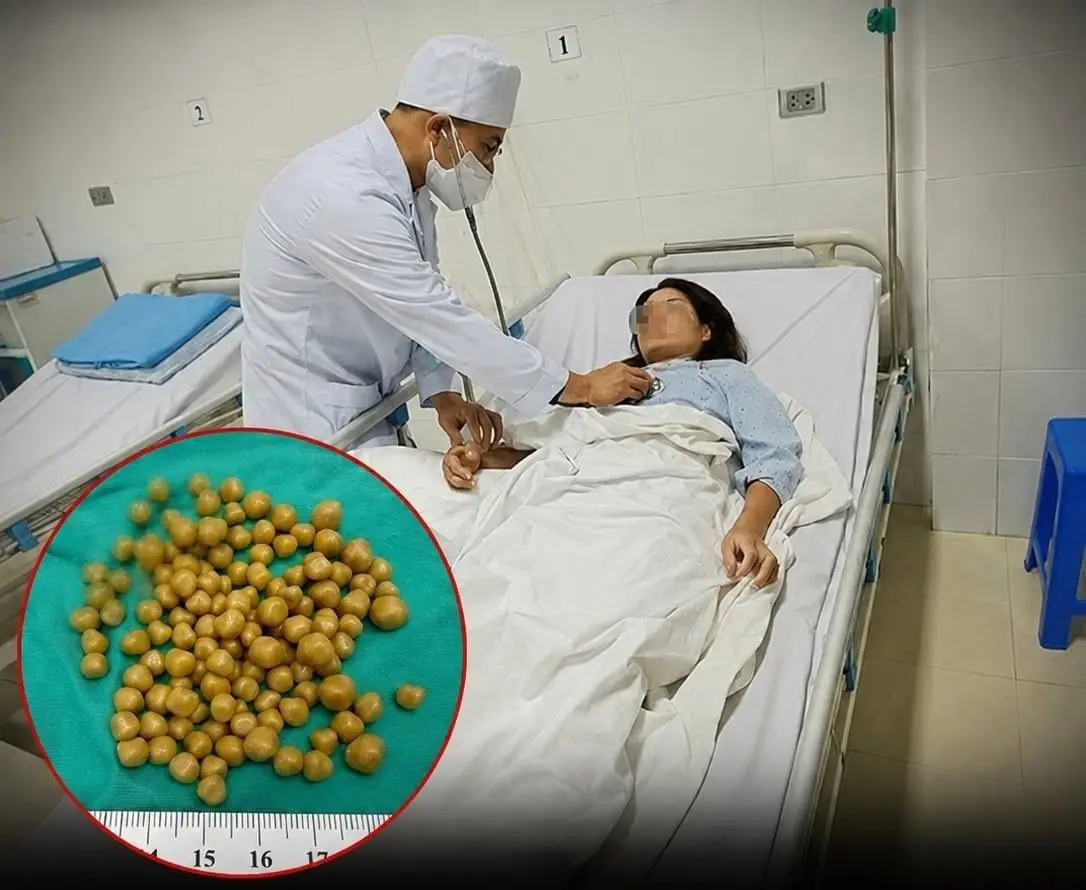
Months of Bloating, Then a Shocking Discovery. 130 Mystery "Seeds" Found Inside During Surgery
She Never Thought Breakfast Was the Problem... Until It Was Too Late
These 5 Household Appliances Should Be Unplugged After Use

People need to be careful about drinking these drinks before going to bed
She Regretted This Habit Too Late—Don’t Make the Same Mistake
70-year-old man drinks lemon water to treat high blo.od pressure for 2 years, faces unexpected outcome
If your hip hurts, it's a clear sign that...
Your kidneys could be silently struggling
Pancreatic Cancer Is Often Called a Silent Disease — Watch for These Signs

Healthy habits can help many people improve fatty liver over time safely.
Bed bug bites can cause itchy rashes, but simple steps can help prevent them.

Heart-friendly foods can help support healthy arteries and circulation daily.

Nighttime itching may be a sign of pinworms—learn what to watch for.
This everyday food is safe... until you eat too much of it.

Your body may be sending important signals while you sleep.

Millions eat these chicken parts every day... but should they?
Most people think garlic is harmless... until they learn this.
Before You Eat Garlic, Here Are the Mistakes You Should Avoid
People Notice This After Eating Beetroot…
Months of Bloating, Then a Shocking Discovery. 130 Mystery "Seeds" Found Inside During Surgery
She Never Thought Breakfast Was the Problem... Until It Was Too Late
These 5 Household Appliances Should Be Unplugged After Use
People need to be careful about drinking these drinks before going to bed
She Regretted This Habit Too Late—Don’t Make the Same Mistake
70-year-old man drinks lemon water to treat high blo.od pressure for 2 years, faces unexpected outcome
If your hip hurts, it's a clear sign that...
Your kidneys could be silently struggling
Pancreatic Cancer Is Often Called a Silent Disease — Watch for These Signs

Healthy habits can help many people improve fatty liver over time safely.
Bed bug bites can cause itchy rashes, but simple steps can help prevent them.
Heart-friendly foods can help support healthy arteries and circulation daily.
Nighttime itching may be a sign of pinworms—learn what to watch for.
This everyday food is safe... until you eat too much of it.
Your body may be sending important signals while you sleep.
Millions eat these chicken parts every day... but should they?