Lemons are one of the most versatile fruits in the kitchen. They add brightness to dishes, enhance drinks, support digestion, and are rich in vitamin C and antioxidants. However, lemons can dry out, soften, or grow mold surprisingly fast if they are not stored correctly. Learning how to preserve lemons properly can save money, reduce food waste, and ensure you always have fresh lemons on hand when you need them.
Below are the most effective, practical, and long-lasting ways to preserve lemons - whether whole, cut, or juiced.
Why Lemons Spoil Quickly
Lemons spoil mainly due to:
-
Moisture loss, which causes them to dry and harden
-
Exposure to air, which leads to mold growth
-
Warm temperatures that accelerate decay
Proper storage focuses on controlling air, moisture, and temperature.
1. Store Whole Lemons in the Refrigerator (Best Everyday Method)
Refrigeration is one of the simplest and most effective ways to extend the life of whole lemons.
How to do it:
-
Place lemons in a sealed plastic bag or airtight container
-
Store them in the crisper drawer of your refrigerator
Why it works:
Sealing lemons prevents moisture loss and protects them from absorbing odors. In the fridge, whole lemons can stay fresh for 3 to 4 weeks, sometimes even longer.
Avoid leaving lemons loose in the fridge, as dry air will cause them to shrivel.
2. Store Lemons in Water (Surprisingly Effective)
This method keeps lemons juicy and firm for weeks.
How to do it:
-
Place whole lemons in a glass or container
-
Fill with clean, cold water until fully submerged
-
Cover and store in the refrigerator
-
Change the water every 5–7 days
Shelf life:
Lemons stored this way can last up to 4 weeks or more, staying plump and fresh.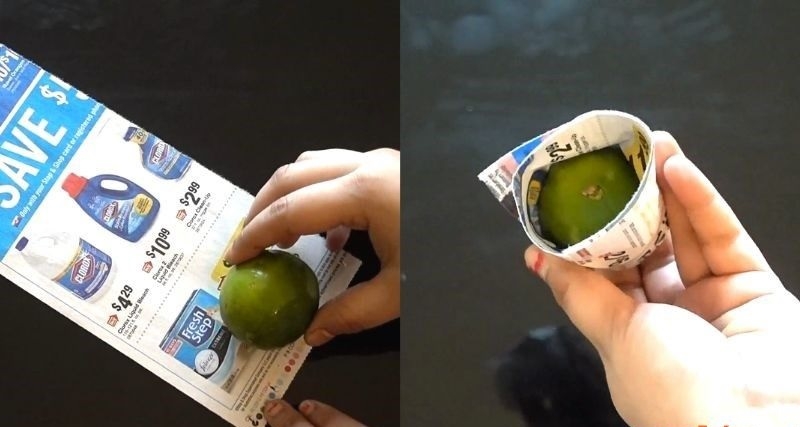
3. Preserve Cut Lemons Properly
Once a lemon is cut, it spoils much faster.
Best methods:
-
Wrap the cut side tightly with plastic wrap
-
Place in an airtight container
-
Store in the refrigerator
For extra protection:
-
Place the cut lemon face-down on a small plate
-
Cover with a bowl or container
Shelf life:
Cut lemons typically last 3–5 days if stored correctly.
4. Freeze Lemons for Long-Term Storage
Freezing is ideal if you have excess lemons.
Option 1: Freeze Whole Lemons
-
Wash and dry thoroughly
-
Place in freezer-safe bags
-
Freeze whole
Frozen whole lemons are excellent for zesting or juicing later.
Option 2: Freeze Lemon Slices
-
Slice lemons thinly
-
Arrange on a tray and freeze individually
-
Transfer to freezer bags once frozen
Option 3: Freeze Lemon Juice
-
Juice fresh lemons
-
Pour into ice cube trays
-
Freeze and store cubes in freezer bags
Shelf life:
Frozen lemons and juice can last up to 3–6 months without significant quality loss.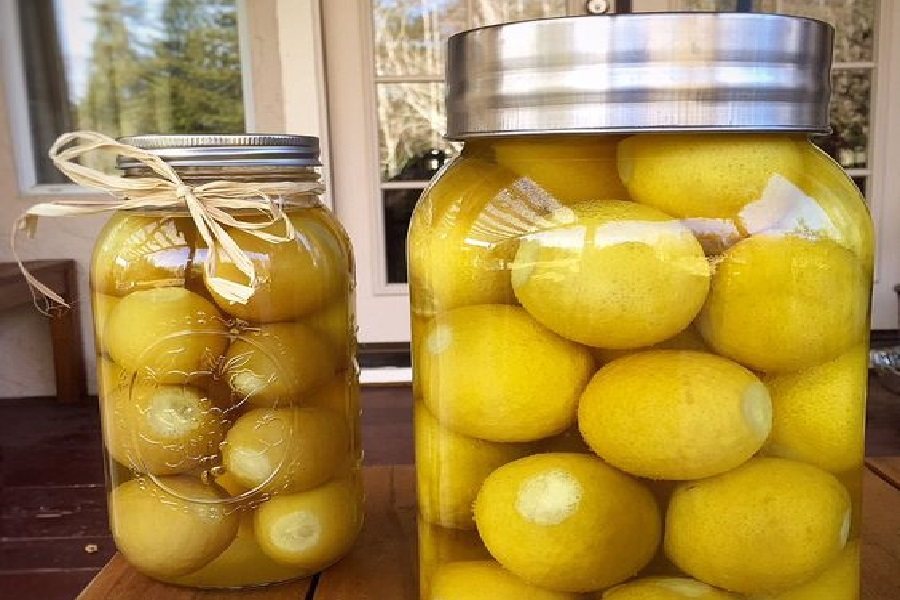
5. Preserve Lemons with Salt (Traditional Method)
Salt preservation is commonly used in cooking, especially in Mediterranean and Middle Eastern cuisines.
How to do it:
-
Cut lemons into quarters without cutting all the way through
-
Pack generously with salt
-
Place tightly into a clean glass jar
-
Press lemons down to release juice
-
Seal and store in the refrigerator
Shelf life:
Salt-preserved lemons can last several months and develop a deep, complex flavor ideal for cooking (not for raw use).
6. Keep Lemons at Room Temperature (Short-Term Only)
If you plan to use lemons within a few days:
-
Store them in a cool, shaded area
-
Keep away from sunlight and heat sources
Shelf life:
At room temperature, lemons last about 5–7 days.
This method is not recommended for long-term storage.
Common Mistakes to Avoid
-
Washing lemons before storage (moisture promotes mold)
-
Leaving lemons exposed to air
-
Storing near heat or sunlight
-
Mixing damaged lemons with fresh ones
Always remove any lemon showing mold or soft spots to prevent spoilage from spreading.
Extra Tips to Keep Lemons Fresh Longer
-
Use airtight containers whenever possible
-
Store lemons separately from apples and bananas (they release ethylene gas that speeds up spoilage)
-
Dry lemons thoroughly if they get wet
-
Inspect stored lemons weekly
Conclusion
Preserving lemons properly is easy once you understand the basics. Whether you refrigerate them in sealed containers, store them in water, freeze them for later use, or preserve them with salt, each method helps extend freshness in different ways.
By choosing the right storage method for your needs, you can keep lemons fresh for weeks - or even months while maintaining their flavor, juiciness, and nutritional value.