The “Miracle Herb” Chinese Locals Praise: Abundant on Roadsides but Often Feared and Overlooked
Across many rural regions in China, there exists a humble wild vegetable that locals have long regarded as a “miracle herb” due to its impressive nutritional value and medicinal potential. Despite growing abundantly along village roadsides, fields, and empty lots, this vegetable is often ignored—or even feared—by many people who mistake it for a weed or believe it to be unsafe.
But according to nutrition experts and traditional Chinese medicine practitioners, this unassuming plant may be significantly more beneficial than many expensive vegetables sold in supermarkets.
So what exactly is this mysterious roadside plant?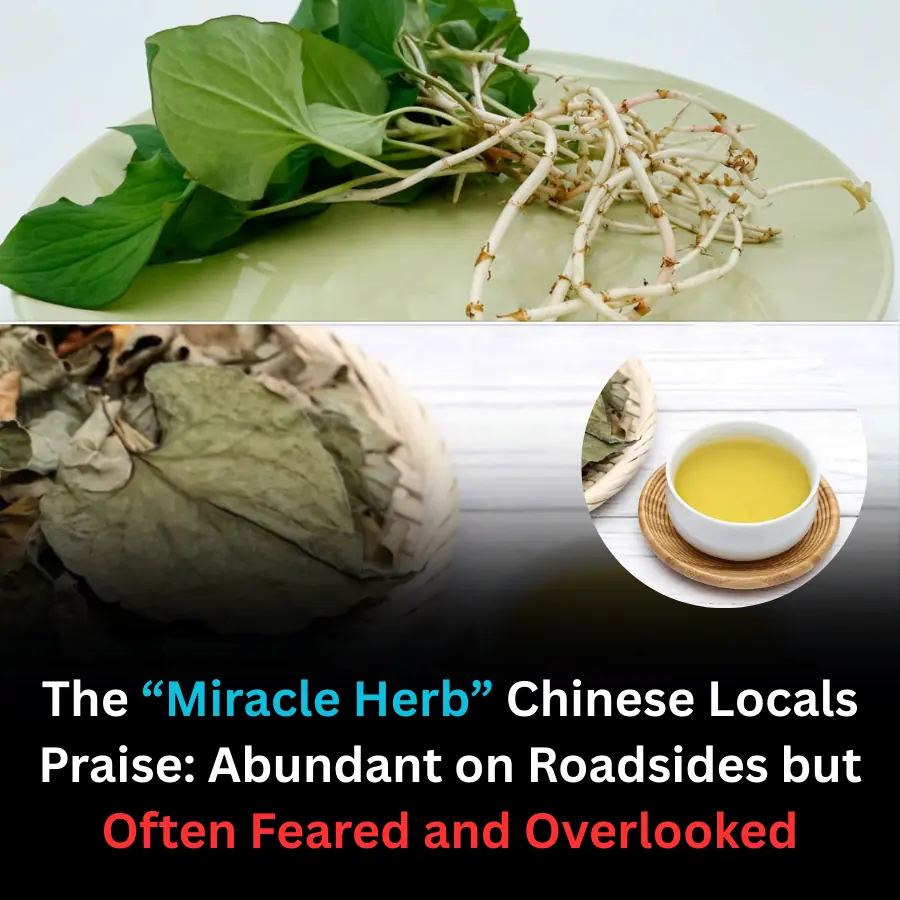
The Wild Vegetable Known as “The Miracle Herb”
The vegetable commonly referred to as a “miracle herb” is portulaca oleracea, also known as purslane.
In Chinese culture, it has been used for centuries as both a food and a medicinal herb thanks to its impressive profile of nutrients and antioxidants.
Although many people see it as an unwanted weed, purslane is in fact a nutritional powerhouse.
Key nutritional components include:
-
Omega-3 fatty acids (rare in vegetables)
-
Vitamin A, C, and E
-
Iron and magnesium
-
Powerful antioxidants like glutathione and melatonin
Because of this, experts often rank purslane among the healthiest wild plants consumed by humans.
Why Many People Are Afraid to Eat It
Despite its benefits, many families avoid purslane due to several common misconceptions:
1. Fear of roadside contamination
Since the plant often grows along sidewalks and open areas, people worry about:
-
Dust
-
Animal waste
-
Pollution
Experts note that contamination is only a risk if the plant is harvested from polluted environments. Purslane grown in clean soil and washed thoroughly is safe to eat.
2. Mistaking it for poisonous weeds
Some wild plants resemble purslane, causing confusion.
However, purslane has:
-
Smooth, reddish stems
-
Thick, succulent leaves
-
A mild sour-fresh taste
These features make it relatively easy to identify.
3. Lack of knowledge about its health value
Many people simply never learned that purslane is edible—let alone beneficial.
Medicinal Benefits Supported by Research
Traditional Chinese medicine has long considered purslane a cooling, detoxifying herb that helps treat digestive and inflammatory conditions. Recent scientific studies support several of these claims.
1. Anti-inflammatory and antibacterial effects
Purslane contains natural compounds that help reduce inflammation and fight bacteria.
2. Supports digestive health
Its fiber content aids bowel movement and helps maintain gut balance.
3. Rich in omega-3 for heart protection
Few vegetables contain omega-3, making purslane valuable for cardiovascular health.
4. May help regulate blood sugar
Compounds in purslane can improve insulin sensitivity and glucose metabolism.
5. Strong antioxidant properties
Its antioxidants help protect cells from oxidative stress and aging.
The Best Ways to Eat Purslane
Experts recommend several safe and nutritious methods of preparation:
-
Blanching before stir-frying to reduce its sourness
-
Cooking it with garlic for a fragrant, simple dish
-
Adding it to salads for a refreshing crunch
-
Boiling it into soup with pork bones or tofu
-
Fermenting it into pickles, a traditional method
To ensure safety, purslane should always be washed carefully and harvested from clean, uncontaminated locations.
Conclusion
Purslane may be a wild roadside plant, but its nutritional profile and health benefits have earned it a revered nickname in China: “the miracle herb.”
While often overlooked or misunderstood, this simple vegetable offers impressive advantages—from anti-inflammatory properties to valuable omega-3 fatty acids.
For households seeking affordable, nutrient-dense foods, purslane may be one of the most underestimated ingredients available.