Eating MSG (Monosodium Glutamate) Can Be Harmful for These 3 Groups of People
MSG does not harm health as much as many people believe. However, there are still certain groups of people who should avoid using this seasoning.
MSG (also known as monosodium glutamate or “bột ngọt”) is a common seasoning widely used in cooking. When consumed in moderate amounts, MSG is not toxic. However, using MSG improperly or excessively can negatively affect health. Like other seasonings such as fish sauce, salt, and sugar, overuse can be harmful.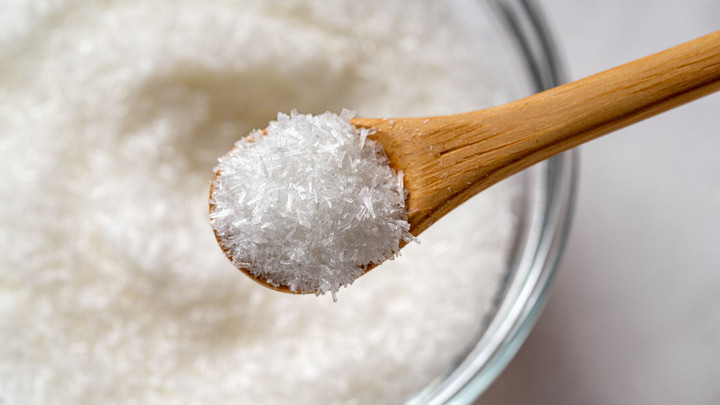
In general, using MSG correctly does not harm health. Still, there are three groups of people who should avoid this seasoning.
3 Groups of People Who Should Not Use MSG
1. Young children
Experts recommend that young children, especially those under 2 years old, should not consume MSG. At this stage, a child’s sense of taste is still developing. Adding MSG to their diet may alter natural taste preferences and cause children to become accustomed to its sweetness, potentially leading to picky eating later on.
In addition, young children have very low sodium requirements. Adding MSG may lead to excess sodium intake, which can negatively affect their health.
2. People with MSG sensitivity or allergies
MSG is a flavor enhancer recognized by the U.S. Food and Drug Administration (FDA) as safe for consumption. However, some individuals should still avoid it. People with sensitive constitutions may experience nausea, dizziness, headaches, rapid heartbeat, or fatigue after consuming MSG. In such cases, it is best to avoid MSG to ensure safety.
3. People with kidney disease, high blood pressure, or metabolic disorders
MSG contains sodium, an essential electrolyte for cellular function. However, MSG is not the only source of sodium; many other seasonings also contain it.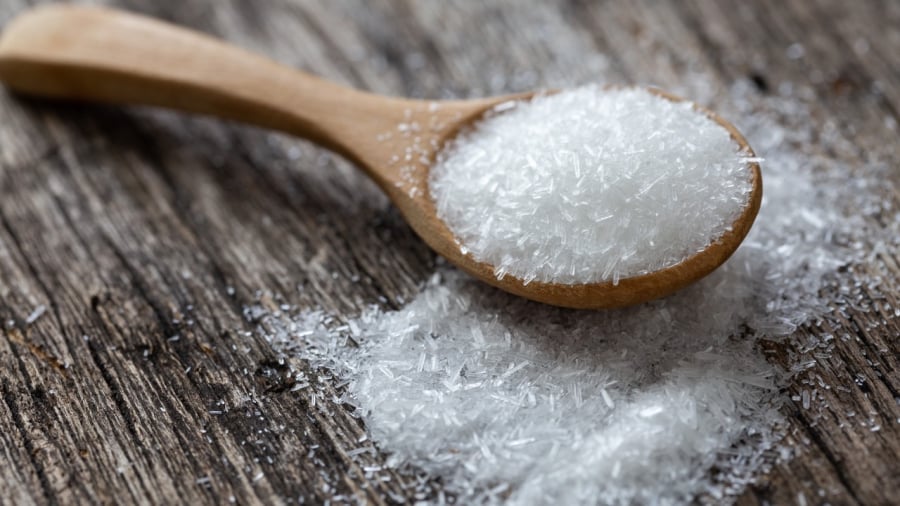
Excessive sodium intake increases the risk of high blood pressure, cardiovascular disease, digestive disorders, and osteoporosis.
People with kidney failure, hypertension, or metabolic-related diseases should limit MSG consumption to avoid increasing the burden on the liver and kidneys.
Healthy use of seasonings
When preparing meals, ensure a balanced intake of essential nutrients such as carbohydrates, protein, fats, fiber, and minerals from natural foods like eggs, milk, meat, fish, rice, corn, and vegetables. Do not focus too heavily on seasonings. Seasonings enhance flavor but should only be used in moderation.
Naturally occurring glutamate exists in many foods and provides a similar savory taste to MSG. You can use these foods to enhance flavor and improve palatability without adding MSG. In general, eggs, meat, fish, seafood, and vegetables all contain natural glutamate, which gives dishes their savory taste. The body can absorb glutamate from food without the need for added MSG.