After 40, If You Notice These 6 Symptoms During Sleep, Your Stroke Risk May Be High
Stroke is one of the leading causes of death and long-term disability worldwide. What many people don’t realize is that warning signs often appear during sleep, long before a major stroke occurs. After the age of 40, the body becomes more vulnerable to changes in blood vessels, blood pressure, and circulation — making nighttime symptoms especially important.
If these signs appear frequently or repeatedly, they should never be ignored.

1. Sudden Numbness or Tingling While Sleeping
Waking up with numbness, tingling, or weakness in the face, arms, or legs — especially on one side of the body — can be an early neurological warning sign.
Occasional numbness from sleeping in an awkward position is normal. However, repeated episodes without a clear cause may indicate poor blood flow to the brain, a key factor in stroke risk.
2. Nighttime Headaches That Wake You From Sleep
Severe or unusual headaches that suddenly wake you up are not typical. These headaches may feel different from stress or tension headaches and can be accompanied by nausea, dizziness, or blurred vision.
Such headaches may signal unstable blood pressure or blood vessel problems in the brain, which are closely linked to stroke.
3. Shortness of Breath or Sudden Chest Tightness at Night
If you frequently wake up gasping for air, feeling chest pressure, or experiencing rapid breathing, it may indicate:
-
Poor oxygen supply
-
Sleep apnea
-
Heart rhythm problems
Sleep apnea, in particular, significantly increases the risk of high blood pressure and stroke, especially in people over 40.
4. Irregular Heartbeat or Palpitations During Sleep
Feeling your heart race, flutter, or beat irregularly while lying in bed is a serious signal. Conditions like atrial fibrillation often worsen at night and can cause blood clots that travel to the brain.
An irregular heartbeat is one of the strongest predictors of stroke, even in people who otherwise feel healthy.
5. Excessive Night Sweating and Sudden Awakening
Heavy sweating during sleep — especially when the room is cool — can be linked to:
-
Blood pressure spikes
-
Hormonal imbalance
-
Heart or circulatory stress
If night sweats are combined with fatigue, dizziness, or chest discomfort, they should be medically evaluated.
6. Confusion, Slurred Speech, or Strange Dreams Upon Waking
Waking up confused, unable to speak clearly, or feeling mentally “foggy” is not just poor sleep. These may be signs of temporary ischemic attacks (TIAs), often called “mini-strokes.”
TIAs are urgent warning signs — many people who suffer a major stroke experience TIAs days or weeks beforehand.
Why Sleep Reveals Stroke Risk
During sleep, the body’s regulation systems are more vulnerable. Blood pressure fluctuates, breathing slows, and oxygen levels can drop. Any weakness in the heart or blood vessels becomes more noticeable at night.
This is why many strokes occur in the early morning hours.
Who Is at Higher Risk After 40?
You may be at higher risk if you:
-
Have high blood pressure
-
Smoke or drink alcohol regularly
-
Have diabetes or high cholesterol
-
Are overweight or inactive
-
Have a family history of stroke
-
Snore loudly or have sleep apnea
Age alone increases risk, but lifestyle and health conditions accelerate it.
What You Should Do Immediately
If these symptoms:
-
Occur frequently
-
Worsen over time
-
Appear together
-
Are accompanied by weakness, vision loss, or speech problems
You should seek medical evaluation immediately. Early detection can prevent irreversible brain damage.
How to Reduce Stroke Risk
Key preventive steps include:
-
Monitoring blood pressure regularly
-
Managing cholesterol and blood sugar
-
Quitting smoking
-
Improving sleep quality
-
Treating sleep apnea
-
Exercising consistently
-
Reducing salt and processed foods
Prevention is far more effective than treatment.
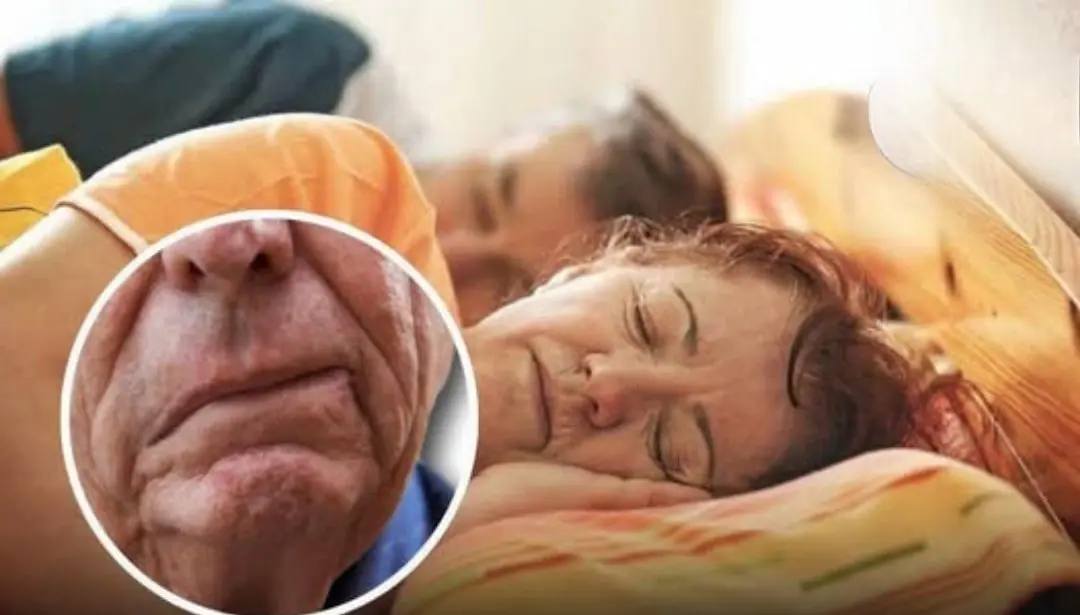
Final Reminder
After 40, your body gives clearer warnings — especially at night. Do not ignore repeated symptoms during sleep, even if they disappear by morning.
Stroke often announces itself quietly before striking suddenly.
Recognizing the signs early may save your life or the life of someone you love.