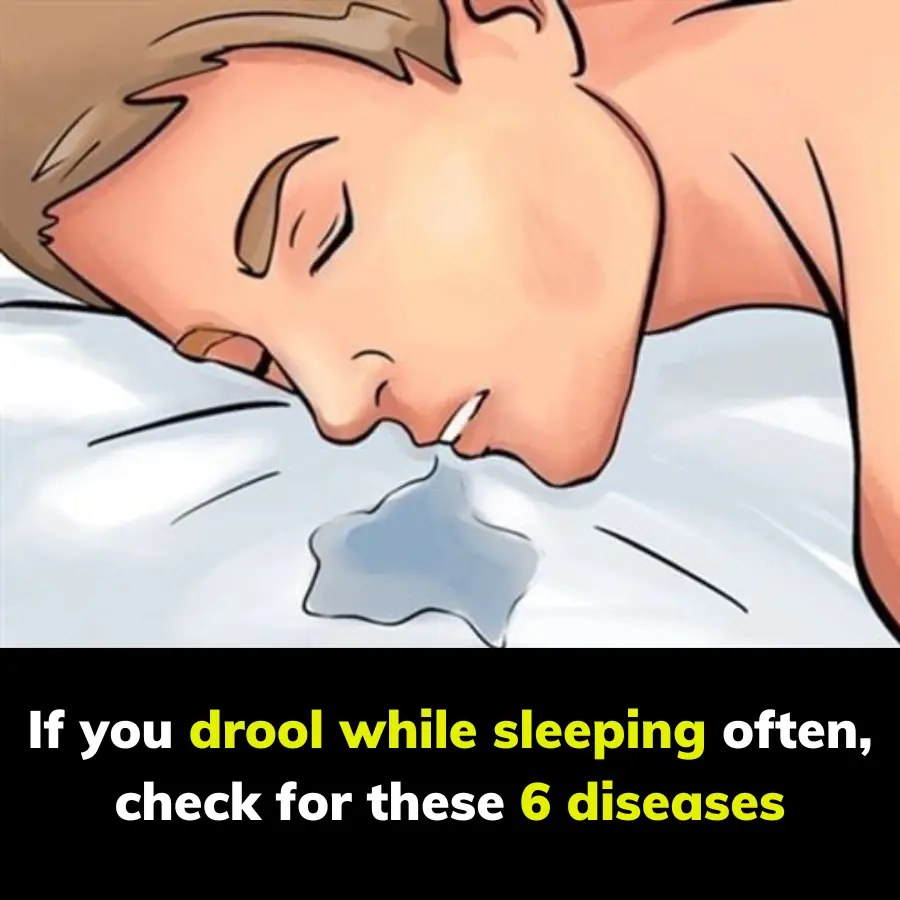
The problem of drooling while sleeping should not be ignored, as it may be a sign of some diseases. Xiao Liang, 25 years old (China), is a programmer, due to the heavy workload, he often has to work overtime, and even after tiring work hours, he stays up late to play games for a while.
This also makes him very sleepy every morning and only waits until lunch break to start sleeping.
Xiao Liang discovered that he was drooling while sleeping, which made him very embarrassed. In order to solve this problem, Xiao liang decided to see a doctor.
After the doctor learned that Xiao liang often drooled in the same direction, he asked him to have a CT scan of the brain first.
Unexpectedly, the examination showed that Xiao liang’s cerebral blood vessels showed signs of blockage. Fortunately, it was detected early, avoiding the risk of cerebral infarction and cerebral hemorrhage for Xiao liang.
Where does human saliva come from?
The process of salivation is controlled by the autonomic nervous system, so the process of salivation is involuntary, like the heartbeat.
The glands in the mouth that secrete saliva are the salivary glands, which can be divided into major salivary glands and minor salivary glands, of which there are 3 pairs of major salivary glands, which are the sublingual glands, the parotid glands, and the submandibular glands. There are many minor salivary glands, distributed on the oral mucosa.
The salivary glands work continuously, in addition to keeping the oral environment moist, saliva also has the function of disinfecting, cleaning the mouth, and helping digestion.
In general, healthy adults secrete about 1-1.5 liters of saliva per day, an average of about 30 ml per hour.
Saliva secretion increases when we eat or when the nerves in the brain are stimulated.
Mouth breathing, stress, fatigue, and unbalanced sleeping positions can all cause drooling while sleeping.
In general, drooling while sleeping is common in children because their lips are still weak, and their oral cavity does not have the function of controlling drooling and swallowing saliva.
If adults suddenly and frequently drool while sleeping, they need to be alert to the following diseases:
1. Oral diseases
Pharyngitis, maxillofacial inflammation, gingivitis can stimulate the secretion of salivary glands, leading to drooling.
In addition, crooked, loose teeth, and discomfort when wearing dentures can also cause drooling while sleeping. After straightening your teeth, your drooling will improve.
2. Facial paralysis
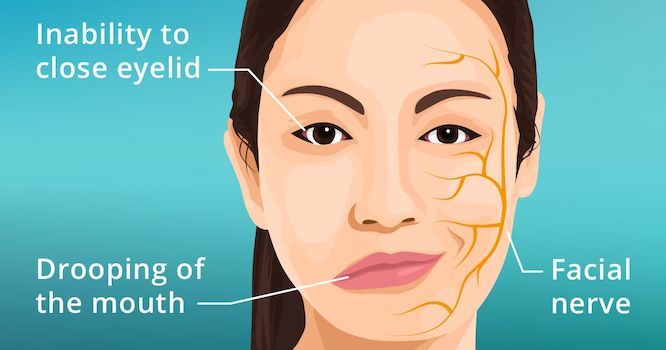
Facial paralysis is a condition of paralysis of the muscles on one side of the face. Due to the asymmetrical strength of the muscles on both sides, it is difficult to hold saliva on the paralyzed side and it is easy to drool whether you are sleeping or not.
If accompanied by symptoms such as crooked corners of the mouth, you need to see a doctor immediately.
3. Gastroesophageal reflux disease
Abnormal gastric acid can increase the salivation reflex, and some patients with gastroesophageal reflux may have drooling symptoms, accompanied by common symptoms of gastroesophageal reflux disease including acid reflux, heartburn, and chest pain.
4. Parkinson’s disease
In Parkinson’s disease, due to poor swallowing function, saliva is often not swallowed in time. In addition, due to damage to some nerves, saliva secretion also increases, leading to drooling.
5. Cerebral thrombosis
If there is a blockage in the cerebral blood vessels, some of the muscles that control the throat may be dysfunctional, and the patient cannot actively control the muscles while sleeping, causing drooling.
If accompanied by symptoms such as crooked mouth corners, saliva often flowing in one direction, and eyes not closing tightly, it is time to be extremely vigilant.
6. Arteriosclerosis
If you have atherosclerosis, it will lead to ischemia and lack of oxygen to the brain, the facial muscles will relax, and the swallowing function will also decrease, making it easy to drool.
In particular, middle-aged and elderly people with high blood pressure, high cholesterol, and diabetes need to be very vigilant.
To improve drooling while sleeping, there are 3 ways:
1. Change your sleeping position
Sleeping on your back can reduce drooling, balance the development of different organs in the body, and even make breathing easier. Try not to sleep on your stomach, you can use a U-shaped neck pillow to reduce discomfort.
2. Keep your mouth clean

Keep your mouth clean every day, pay attention to rinsing your mouth as soon as possible after meals, brush your teeth in the morning and evening, use fluoride toothpaste, and use dental floss at least once a day to clean between your teeth.
If you find that you have a dental problem, you should adjust it promptly, otherwise it may cause your teeth to loosen and damage your gums.
3. Alternative medicine
If you find that your drooling is related to the medicine you are taking, you can talk to your doctor and ask if you can switch to another medicine, but remember not to change or stop taking the medicine on your own.