If You See Beef With These 3 Characteristics, Do NOT Buy It
Buying beef may seem simple, but choosing the wrong piece can put your health at serious risk. Many people are tempted by cheap prices or visually large cuts of meat, without realizing that poor-quality beef can carry bacteria, toxins, or signs of spoilage that are dangerous when consumed.
Food poisoning, digestive infections, and long-term health problems often start with one careless purchase. To protect yourself and your family, it’s critical to recognize three warning signs that indicate beef is unsafe to buy — no matter how good the price looks.
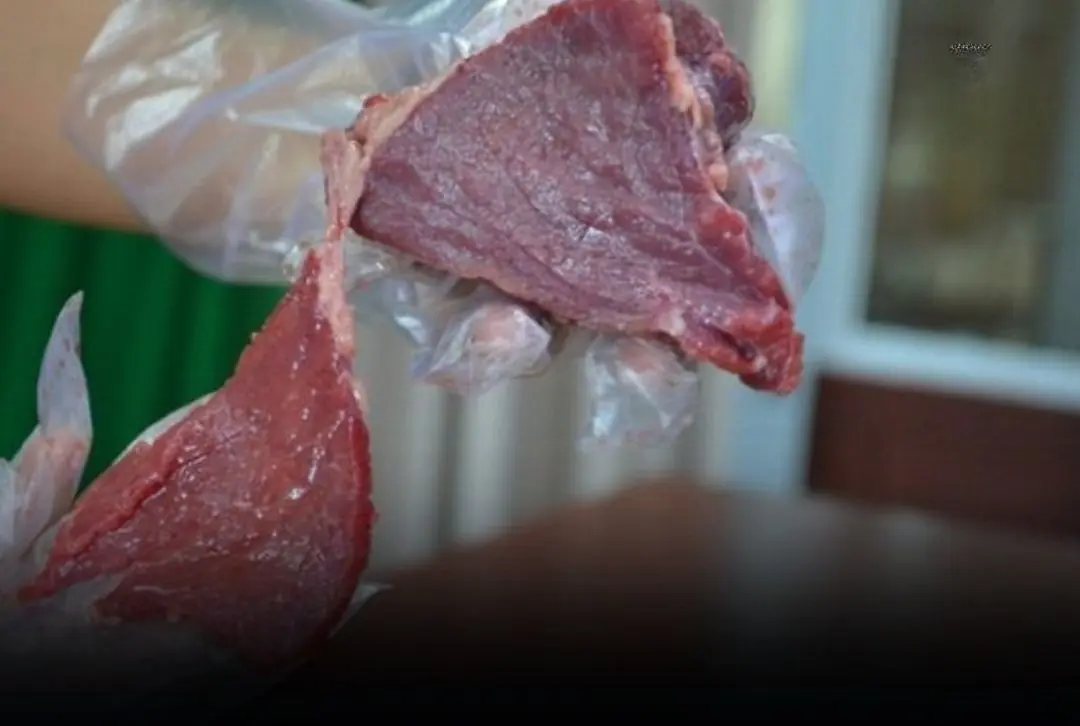
1. Unnatural Color: Too Dark, Gray, or Greenish Tones
Fresh beef should have a bright red or slightly purplish color, depending on how it has been exposed to oxygen. If the meat appears gray, brown, greenish, or unusually dark, this is a serious red flag.
Discoloration often indicates:
-
Oxidation from long exposure
-
Improper refrigeration
-
Early stages of spoilage
-
Bacterial growth
Some sellers may claim the color change is “normal,” but when beef looks dull, patchy, or uneven in color, it’s safer to walk away. No discount is worth the risk of ingesting spoiled meat.
2. Slimy or Sticky Texture on the Surface
Fresh beef should feel slightly moist but firm, never slippery. If the surface feels slimy, sticky, or coated with a gel-like layer, this is a strong sign of bacterial contamination.
This texture develops when bacteria multiply and break down proteins in the meat. Washing the beef does not remove the danger — harmful bacteria can remain embedded deep inside.
If you touch beef and immediately feel something is “off,” trust your instincts. Texture is one of the most reliable indicators of meat safety.
3. Strong, Sour, or Chemical Smell
High-quality beef has a mild, clean smell or no noticeable odor at all. If the meat gives off a sour, rotten, ammonia-like, or chemical smell, do not buy it — even if the appearance seems acceptable.
A bad odor usually means:
-
The meat has started to decompose
-
Harmful bacteria are producing gases
-
The beef may have been treated improperly to mask spoilage
Some dangerous bacteria are odorless, but a strong unpleasant smell is always a deal-breaker. Cooking does not make spoiled meat safe.
Why Cheap Beef Can Be Dangerous
Many consumers fall into the trap of thinking they are “saving money” by buying discounted meat. In reality, cheap beef often comes with hidden costs — medical bills, food poisoning, or long-term damage to digestive health.
Low-quality beef may result from:
-
Poor slaughtering conditions
-
Inadequate cold storage
-
Repeated freezing and thawing
-
Old stock being repackaged
The body pays a far higher price than the wallet ever saves.
What Happens If You Eat Spoiled Beef
Consuming unsafe beef can cause:
-
Severe stomach pain
-
Vomiting and diarrhea
-
Fever and dehydration
-
Foodborne infections such as Salmonella or E. coli
-
Increased risk for children, elderly people, and those with weak immunity
In serious cases, food poisoning can require hospitalization and may even be life-threatening.
How to Choose Safe Beef Every Time
To reduce risk:
-
Buy meat from reputable sellers
-
Ensure beef is properly refrigerated
-
Check color, smell, and texture
-
Avoid beef with excessive liquid or leaks
-
Do not be persuaded by unusually low prices
When in doubt, do not buy it. Walking away is always safer than taking a risk.
Final Reminder
Food safety starts at the market. If you see beef with unnatural color, slimy texture, or a strong unpleasant smell, absolutely do not buy it.
Being careful is not being picky — it is being responsible. Your health is worth more than any discount